Nearshoring Fashion to Europe — The Numbers
40% shorter lead times, MOQ from 75 units per colourway, no EU customs. The real numbers behind the Asia-to-Europe manufacturing shift.
 Pedro Carreira··9 min read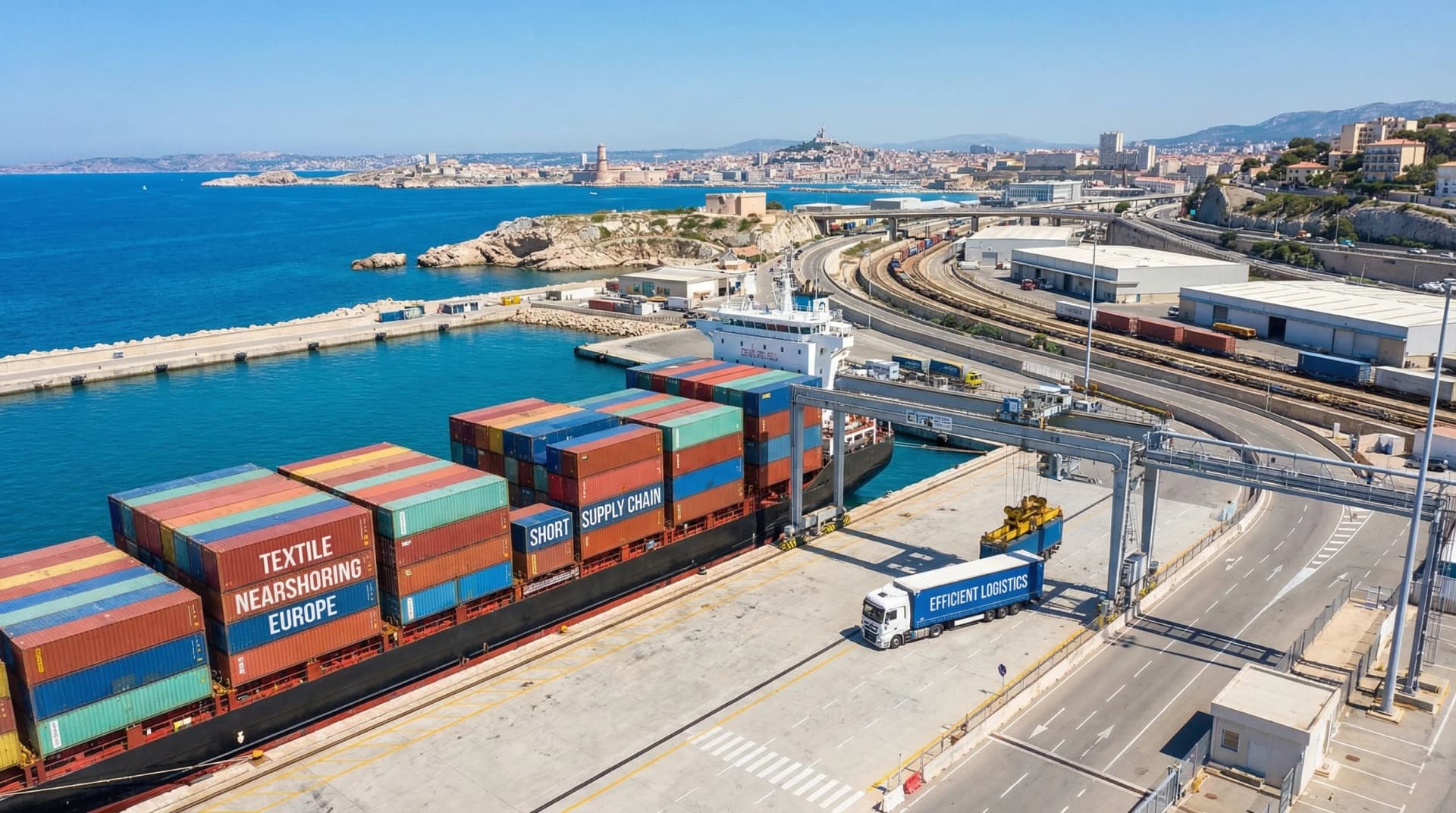
What Is Nearshoring?
Nearshoring is the practice of moving production from distant countries to geographically closer ones. For European fashion brands, this means shifting manufacturing from Asia (China, Bangladesh, Vietnam) to European or near-European destinations — primarily Portugal, Turkey, Romania, Bulgaria, and Morocco.
The trend has accelerated dramatically since 2020. Supply chain disruptions, rising Asian costs, sustainability regulations, and shifting consumer preferences have made European brands reconsider where their garments are made.
This guide covers why nearshoring is happening, which European countries are leading the shift, and how to plan a transition.
Why Brands Are Nearshoring
1. Supply Chain Resilience
The pandemic proved that a supply chain stretching 10,000 kilometres across oceans is fragile. Port closures, container shortages, and shipping delays turned 6-week timelines into 16-week ones. Brands with European production were restocking while Asian-sourced brands were waiting.
Since then, geopolitical tensions, the Red Sea shipping disruptions, and rising container costs have reinforced the same lesson: shorter supply chains are more resilient.
2. Speed to Market
Fashion moves faster than ever. Producing in Asia means committing to designs 4–6 months before they hit the market. Producing in Europe means committing roughly 2–3 months ahead.
That speed advantage allows brands to:
- —React to trends while they are still relevant
- —Test smaller quantities before committing to full production
- —Restock bestsellers in weeks, not months
- —Launch seasonal collections closer to the season
3. Sustainability Pressure
The EU's textile strategy and upcoming regulations around supply chain due diligence, environmental reporting, and the Digital Product Passport are making transparency a legal requirement, not just a marketing choice.
European production makes compliance simpler:
- —Shorter transport distances mean lower carbon emissions
- —EU environmental standards are enforced at the factory level
- —Traceability is straightforward when your entire supply chain is within 1,000 kilometres
- —GOTS, OEKO-TEX, and GRS certifications are widely available
4. The "Made in Europe" Premium
European consumers increasingly pay more for European-made products. "Made in Portugal," "Made in Italy," and "Made in France" carry real perceived value. For brands in the €30–150 retail range, this positioning can offset the higher production cost.
For a French label the positioning travels particularly well: northern Portugal sits inside the same customs union, so there is no import clearance between the factory and Paris. We cover the freight timings and Loi AGEC labelling detail in our guide for French brands manufacturing in Portugal.
5. Regulatory Changes
The EU is implementing regulations that affect textile imports:
- —CSRD (Corporate Sustainability Reporting Directive) — Requires supply chain transparency
- —Digital Product Passport — Will require detailed information about materials, origin, and environmental impact for every garment sold in the EU
- —Due Diligence Directive — Requires brands to verify working conditions and environmental practices across their supply chain
European production simplifies compliance with all of these.
European Manufacturing Countries Compared
Portugal
- —Strength: Premium knitwear (hoodies, sweatshirts, t-shirts, jersey), family-run quality
- —MOQ: 75–200 pieces typical
- —Cost level: Mid-premium
- —Best for: Premium basics, streetwear, sustainable brands, small-to-medium volumes
- —Key regions: Porto, Guimarães, Barcelos, Braga
- —Infrastructure: Dense cluster of vertically integrated factories, nearby fabric mills
Portugal is where we operate, and it is the natural fit for brands producing jersey-based garments at premium quality levels. Read more about why brands choose Portugal and see our guide to the top clothing manufacturers in Portugal.
Italy
- —Strength: Luxury fashion, tailoring, leather goods, premium wovens
- —MOQ: Higher than Portugal (200–500+ typical)
- —Cost level: Premium to luxury
- —Best for: High-end fashion, tailored garments, luxury positioning
- —Key regions: Lombardy, Tuscany, Veneto
Italy remains the gold standard for luxury garment manufacturing but is significantly more expensive than Portugal. For brands that do not require Italian provenance, Portugal offers comparable quality at a better price point.
Turkey
- —Strength: Denim, woven shirts, outerwear, higher-volume production
- —MOQ: 200–500+ typical
- —Cost level: Mid-range (lower than Portugal, variable due to currency)
- —Best for: Denim, wovens, higher volumes, price-competitive production
Turkey offers competitive pricing but is outside the EU, which means customs, duties, and longer shipping. For a detailed comparison, read our Portugal vs Turkey guide.
Romania & Bulgaria
- —Strength: Basic garment assembly, cost-competitive within the EU
- —MOQ: Variable (200–1,000+)
- —Cost level: Budget to mid-range
- —Best for: Higher-volume production where cost is the primary factor, CMT (cut-make-trim) operations
- —Limitations: Less developed fabric sourcing infrastructure, smaller skilled workforce for premium garments
Morocco & Tunisia
- —Strength: Fast-fashion production, proximity to Southern Europe
- —MOQ: 500–1,000+ typical
- —Cost level: Budget
- —Best for: Fast fashion, higher volumes, price-sensitive brands
- —Limitations: Quality consistency can vary, less premium positioning
Summary
| Country | Cost | Quality | MOQ | EU Member | Best For |
|---|---|---|---|---|---|
| Portugal | €€€ | Premium | 75–200 | Yes | Knitwear, premium basics |
| Italy | €€€€ | Luxury | 200–500 | Yes | Luxury fashion, tailoring |
| Turkey | €€ | Mid-good | 200–500 | No | Denim, wovens, volume |
| Romania | € | Mid | 200–1000 | Yes | CMT, budget production |
| Morocco | € | Variable | 500–1000 | No | Fast fashion, volume |
How to Plan a Nearshoring Transition
Phase 1: Audit Your Current Production (Month 1)
- —Document your current unit costs, lead times, MOQs, and quality levels for each product
- —Identify which products are best suited for European production (typically your premium lines)
- —Calculate the landed cost including shipping, customs, duties, and hidden costs
Phase 2: Source European Partners (Month 2–3)
- —Contact 3–5 factories in your target country
- —Request quotes for your best-selling styles
- —Compare not just unit price, but total landed cost (production + shipping + duties + quality costs)
- —Order samples to evaluate quality firsthand
Phase 3: Pilot Production (Month 3–5)
- —Move 1–2 styles to European production as a test
- —Run a parallel production — same style made in Asia and Europe — and compare
- —Evaluate quality, lead time, communication, and total cost
- —Gather customer feedback on the European-made product
Phase 4: Scale the Transition (Month 6+)
- —Based on pilot results, expand European production to more styles
- —Negotiate volume pricing as your orders grow
- —Phase out Asian production gradually for the styles that perform better in Europe
- —Some brands maintain a split: premium lines in Europe, basic/high-volume lines in Asia
Cost Considerations
Nearshoring almost always increases your per-unit production cost. The question is whether the total cost equation still works:
Higher costs:
- —Labour (European wages are 3–5x Asian wages)
- —Fabric (European-sourced premium materials)
Lower costs:
- —Shipping (ground vs ocean freight)
- —Customs duties (0% within EU vs 12% on imports)
- —Quality-related costs (fewer defects, fewer returns)
- —Lead time costs (less working capital tied up in pipeline inventory)
Revenue uplift:
- —Higher retail pricing supported by "Made in Europe" positioning
- —Lower return rates from better quality
- —Faster restock = fewer missed sales from stockouts
For most premium and mid-premium brands, the math works. For budget brands selling under €15 retail, it typically does not.
At White Cotton
We are a family-run clothing manufacturer in Portugal, based in Barcelos — right in the heart of one of Europe's densest textile manufacturing clusters. We work with brands making the nearshoring transition, producing hoodies, sweatshirts, t-shirts, joggers, and more at MOQs starting from 75 pieces per colourway.
If you are exploring European manufacturing, send us your current products or tech packs. We will provide honest, detailed quotes and help you evaluate whether nearshoring makes sense for your specific brand and product range.

Pedro Carreira
Founder of White Cotton, a textile manufacturer in Barcelos, Portugal. Producing custom clothing collections for brands across 15+ countries.
Frequently Asked Questions
Nearshoring is moving production from distant countries to geographically closer ones — for European brands, out of China, Bangladesh or Vietnam and into Portugal, Turkey, Romania, Bulgaria or Morocco. In practice it means committing to designs roughly 2–3 months before they hit the market instead of 4–6 months. The trend accelerated after 2020, when six-week timelines turned into sixteen-week ones and brands with European production were restocking while others waited.
European wages run 3–5 times Asian wages, and European fabric is generally dearer, so your per-unit cost will rise. Against that sit 0% customs duty inside the EU instead of 12% on imports, ground freight instead of ocean freight, fewer defect-related costs, and far less working capital tied up in a pipeline. For premium and mid-premium brands the equation usually works; for budget brands selling under €15 retail it typically does not.
Plan for about six months. Month one is auditing your current unit costs, lead times, minimums and true landed cost; months two to three are sourcing and sampling with three to five factories; months three to five are a pilot on one or two styles, ideally produced in parallel with your existing supplier so you can compare directly. From month six you scale style by style, and many brands settle on a split with premium lines in Europe and high-volume basics elsewhere.
Portugal suits premium knitwear at 75–200 piece minimums; Italy is the luxury and tailoring option at 200–500 and a significantly higher cost level; Turkey is strong on denim, wovens and volume at 200–500 but sits outside the EU. Romania and Bulgaria are cost-competitive inside the EU for basic assembly, usually as CMT with less developed fabric sourcing, while Morocco and Tunisia serve fast fashion from 500–1,000 pieces. Choose on product category first and price second — the wrong specialism costs more than a higher hourly rate.
Continue Reading

15 Best Clothing Manufacturers in Portugal, Compared (2026)
![Barcelos Textile Industry — Portugal's Factory Capital [Inside Look]](/_next/image?url=%2Fimages%2Fgenerated%2Fblog%2Fbarcelos-textile-industry.webp&w=1920&q=75)
Barcelos Textile Industry — Portugal's Factory Capital [Inside Look]
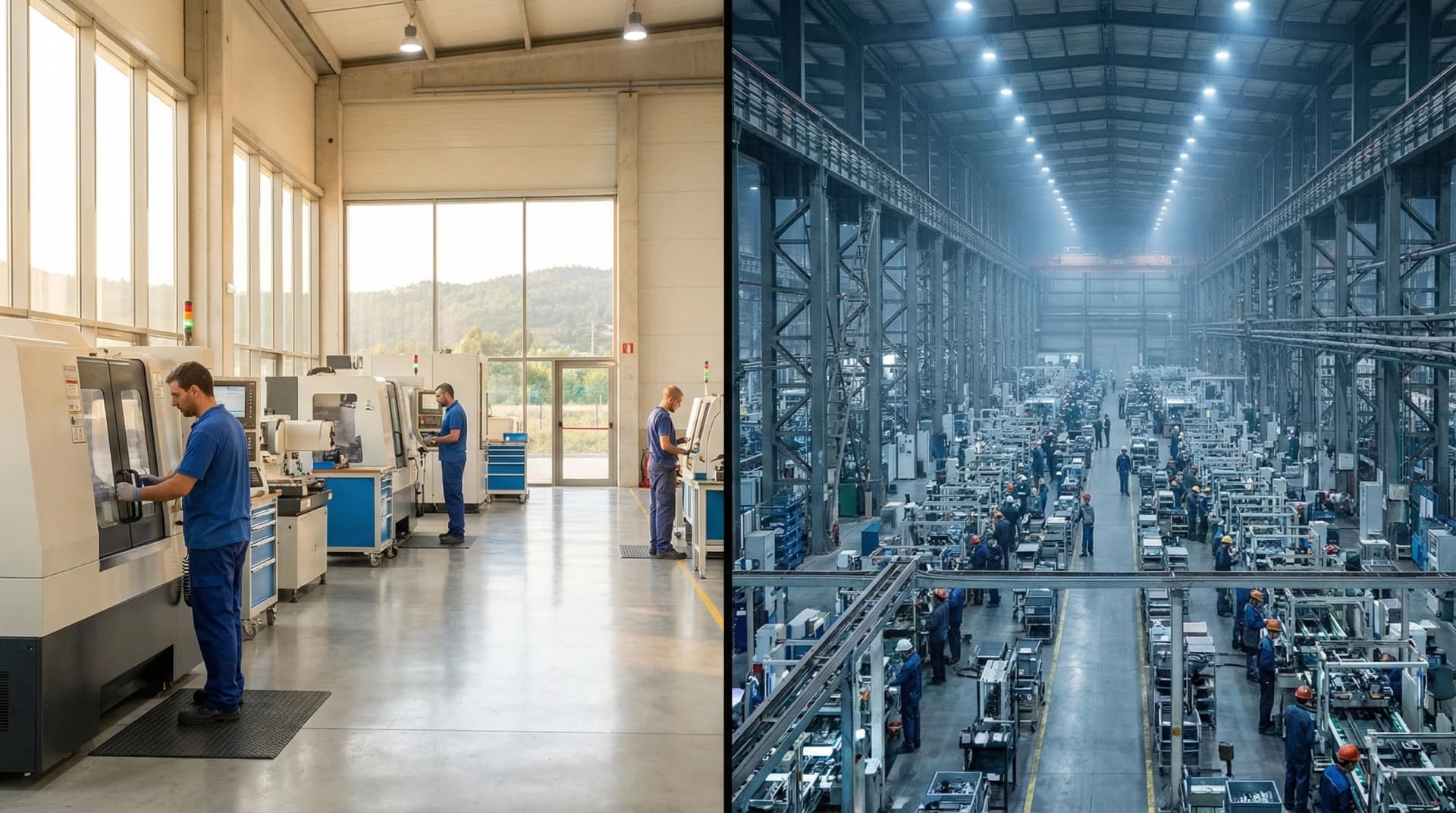
Portugal vs China — Costs, Lead Times, Risk
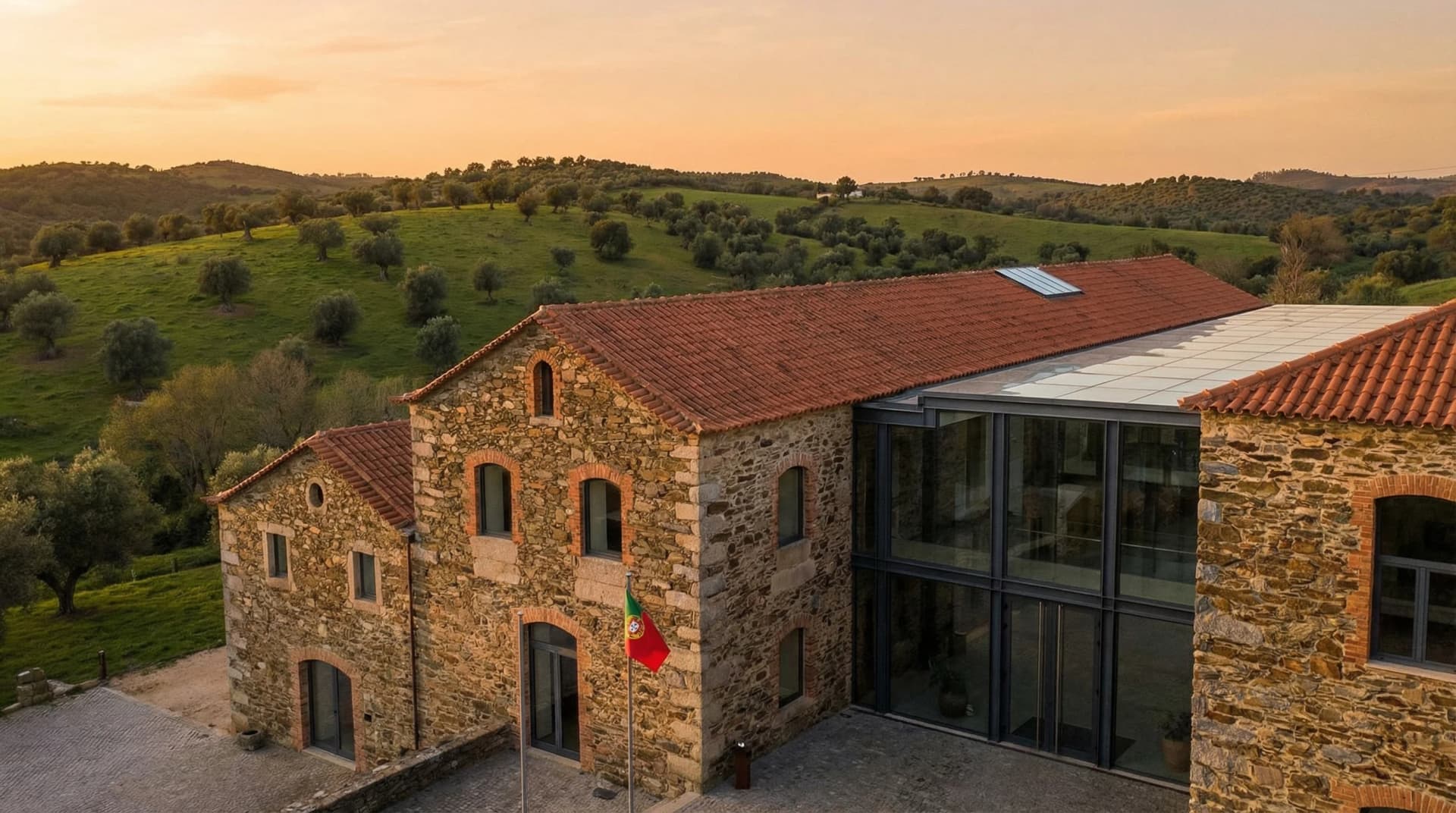
Made in Portugal Textiles — Why Brands Switch
![How to Find a Clothing Manufacturer in Portugal: A Factory Owner's Honest Guide [2026]](/_next/image?url=%2Fimages%2Fgenerated%2Fblog%2Fhow-to-find-clothing-manufacturer-portugal.webp&w=1920&q=75)