Fabric Sourcing 101: How to Choose the Right Fabric for Your Clothing Line
A practical guide to fabric sourcing for clothing brands. Learn about cotton types, blends, weights, finishes, and how to communicate with suppliers and manufacturers.
 Pedro Carreira··6 min read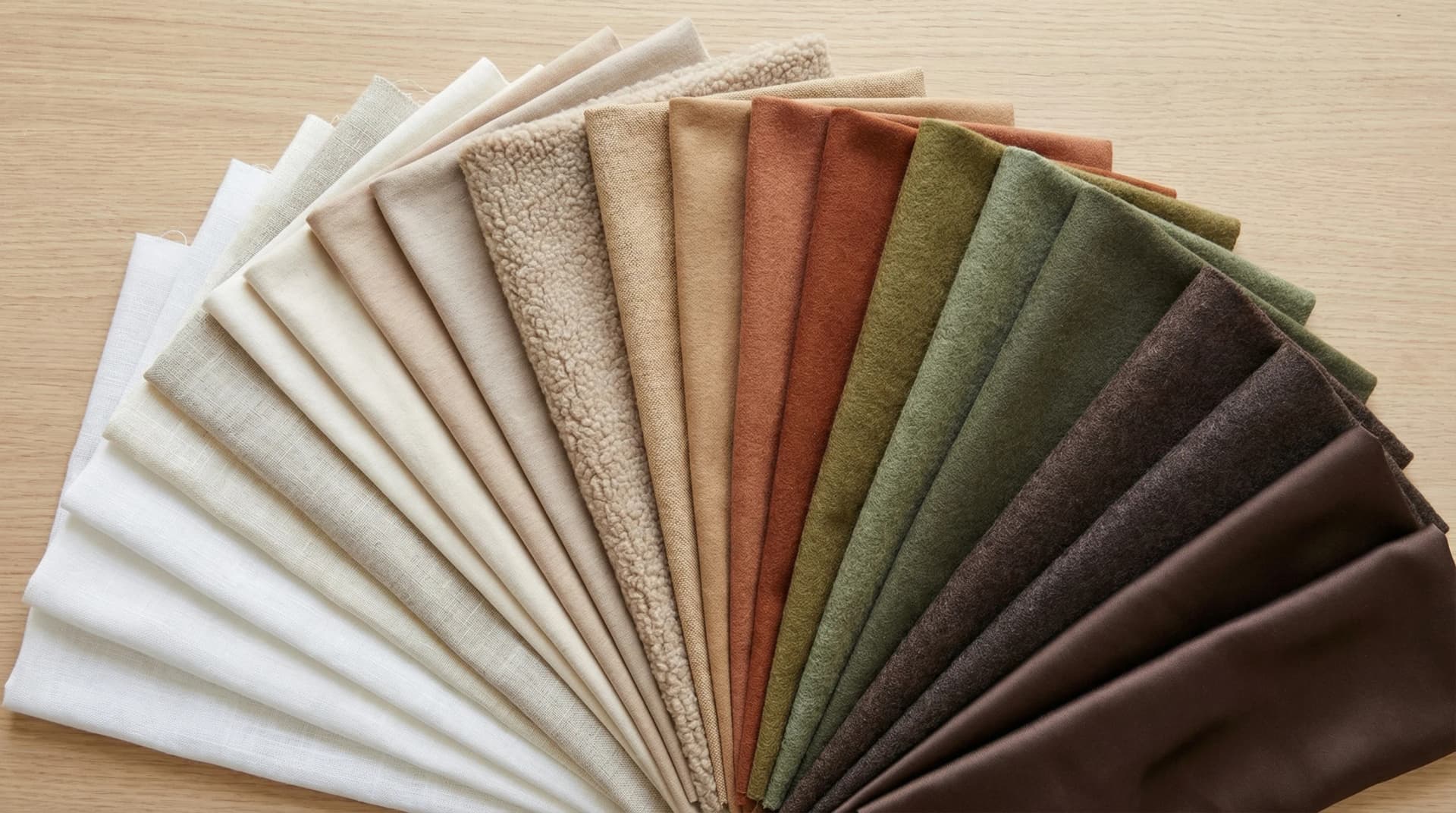
Why Fabric Is Everything
Your fabric determines how your garment feels, drapes, washes, wears, and ages. You can have the best pattern, the best construction, and the best brand — but if the fabric is wrong, nothing else matters.
Most consumers cannot articulate why one t-shirt feels premium and another feels cheap. The answer is almost always the fabric.
Understanding Fabric Composition
Cotton
The most common fibre in fashion. But not all cotton is equal:
- —Conventional cotton: Grown with pesticides, often shorter staple length. Cheapest option.
- —Combed cotton: Fibres are combed to remove short strands, resulting in a smoother, stronger yarn. Moderate price increase.
- —Ring-spun cotton: Yarn is spun by twisting and thinning, creating a softer, more durable fabric. Noticeable quality difference.
- —Organic cotton (GOTS): Grown without synthetic pesticides or GMO seeds. Environmentally certified. 15–25% premium.
- —Pima / Supima cotton: Extra-long staple cotton, extremely soft and durable. Premium tier.
- —Egyptian cotton: Long staple, luxurious feel. Used in premium basics and bedding.
Our recommendation: For premium basics, use ring-spun combed cotton at minimum. For brands with a sustainability message, GOTS organic is worth the premium.
Polyester
Synthetic, petroleum-based fibre. Strong, wrinkle-resistant, moisture-wicking.
- —Virgin polyester: Cheapest option, worst environmental profile
- —Recycled polyester (rPET): Made from plastic bottles, same performance properties
- —Poly-cotton blends (CVC/TC): Combined with cotton for shape retention and reduced shrinkage
Common blends: 80/20 cotton-poly, 65/35 cotton-poly, 50/50. Higher cotton content = softer hand feel. Higher polyester content = better shape retention.
Other Natural Fibres
- —Linen: Breathable, textured, relaxed drape. Wrinkles easily (feature or bug depending on your aesthetic). Gets softer with washing.
- —Hemp: Extremely durable, sustainable to grow, slightly coarse initially but softens dramatically over time.
- —Wool / Merino: Temperature regulating, odour resistant, premium positioning. More complex production.
- —Silk: Luxury fibre, delicate, high cost.
Specialty Fibres
- —TENCEL / Lyocell: Derived from wood pulp, silky feel, sustainable closed-loop production. Excellent for lightweight garments.
- —Modal: Similar to Lyocell, exceptionally soft. Often blended with cotton.
- —Bamboo viscose: Soft, but the processing from bamboo to viscose uses harsh chemicals unless specifically certified.
Understanding Fabric Weight (GSM)
GSM (grams per square metre) tells you how heavy and thick a fabric is:
- —100–150 GSM: Lightweight. Summer tees, tanks, shirts. Feels thin, can be see-through in lighter colours.
- —160–200 GSM: Midweight. Standard quality t-shirts, casual shirts. The sweet spot for everyday tees.
- —200–280 GSM: Heavyweight. Premium tees, long sleeves. Substantial hand feel, opaque.
- —280–350 GSM: Sweatshirt weight. French terry, loopback fleece. Standard for quality sweatshirts.
- —350–450 GSM: Heavy sweatshirt / hoodie weight. Thick, warm, premium feel.
- —450+ GSM: Ultra-heavyweight. Oversized hoodies, winter pieces. Very thick and warm.
Rule of thumb: If you want your basics to feel premium, go heavier than the mainstream. Most fast-fashion tees are 140–160 GSM. Stepping up to 200+ GSM immediately signals quality.
Fabric Finishes and Treatments
The same base fabric can feel dramatically different depending on finishing:
- —Garment dyed: Dyed after construction. Creates a softer, slightly irregular, vintage feel. Each piece is slightly unique. Higher shrinkage.
- —Piece dyed: Fabric is dyed before cutting. More uniform colour. Standard approach.
- —Enzyme wash: Softens the fabric and removes surface fibres. Creates a worn-in feel.
- —Stone wash: Creates visible wear patterns and softness. Common in denim and casual wear.
- —Brushed / peached: Interior surface is brushed to create a soft, fuzzy hand feel. Common on premium hoodies and fleece.
- —Mercerised: Cotton is treated to increase lustre, strength, and dye uptake. Creates a polished, premium finish.
- —Pre-shrunk / sanforised: Fabric is pre-treated to minimise further shrinkage. Essential for consistent sizing.
How to Communicate With Suppliers
When requesting fabric, always specify:
The basics
- —Composition (e.g., 100% organic cotton, 80/20 cotton-poly)
- —Weight (e.g., 280 GSM)
- —Colour (Pantone reference or physical swatch)
Construction details
- —Jersey: Single knit, smooth face, common for t-shirts
- —French terry: Looped interior, smooth exterior. Standard for sweatshirts
- —Fleece: Brushed interior, warm. Hoodies and winter pieces
- —Rib knit: Textured knit with stretch. Cuffs, collars, some full garments
- —Piqué: Textured weave, classic polo shirt fabric
- —Oxford: Basket weave, crisp feel. Button-down shirts
- —Twill: Diagonal weave pattern. Trousers, jackets
- —Canvas: Heavy, durable twill. Workwear, bags
Additional specs
- —Width (standard is 150–160cm for knits, 140–150cm for wovens)
- —Shrinkage tolerance (e.g., max 3% after wash)
- —Certifications required (GOTS, OEKO-TEX, BCI)
- —Colour fastness requirements
Sampling and Testing
Always request fabric samples (called swatches or headers) before committing:
What to test
- —Hand feel: Does it feel like your target quality?
- —Wash test: Wash the swatch 3 times and check shrinkage, pilling, colour fastness
- —Drape: How does it hang? Pin it to a form or mannequin
- —Stretch and recovery: Stretch the fabric and see if it returns to shape
- —Colour accuracy: Compare to your Pantone reference in natural daylight
Lab dips
For custom colours, your supplier will send lab dips — small dyed swatches for colour approval. You typically receive 2–3 options and approve the closest match. Specify a tolerance (e.g., "within 5% of Pantone 19-3924 TCX").
Common Sourcing Mistakes
Choosing fabric by price alone. A €3/metre fabric and a €7/metre fabric might look similar on paper but feel completely different in hand.
Ignoring shrinkage. If your fabric shrinks 5% and you did not account for it in your pattern, every garment will be too small. Always confirm pre-shrinkage or factor it into your measurements.
Not testing at scale. A sample metre and a 500-metre production roll can differ. Request a strike-off (production-run sample) for critical orders.
Overlooking fabric availability. All fabric is bought to order for your project, but a standard fabric from the library adds no extra wait, while a custom colour or blend needs its own mill lead time — roughly 3 to 4 weeks for a dyed colour. Confirm availability before committing to a production timeline.
Working With Your Manufacturer
The best approach is to work with your manufacturer on fabric selection:
- —They know which fabrics sew well with their machines
- —They have existing supplier relationships (often better pricing)
- —They can advise on fabric-garment compatibility
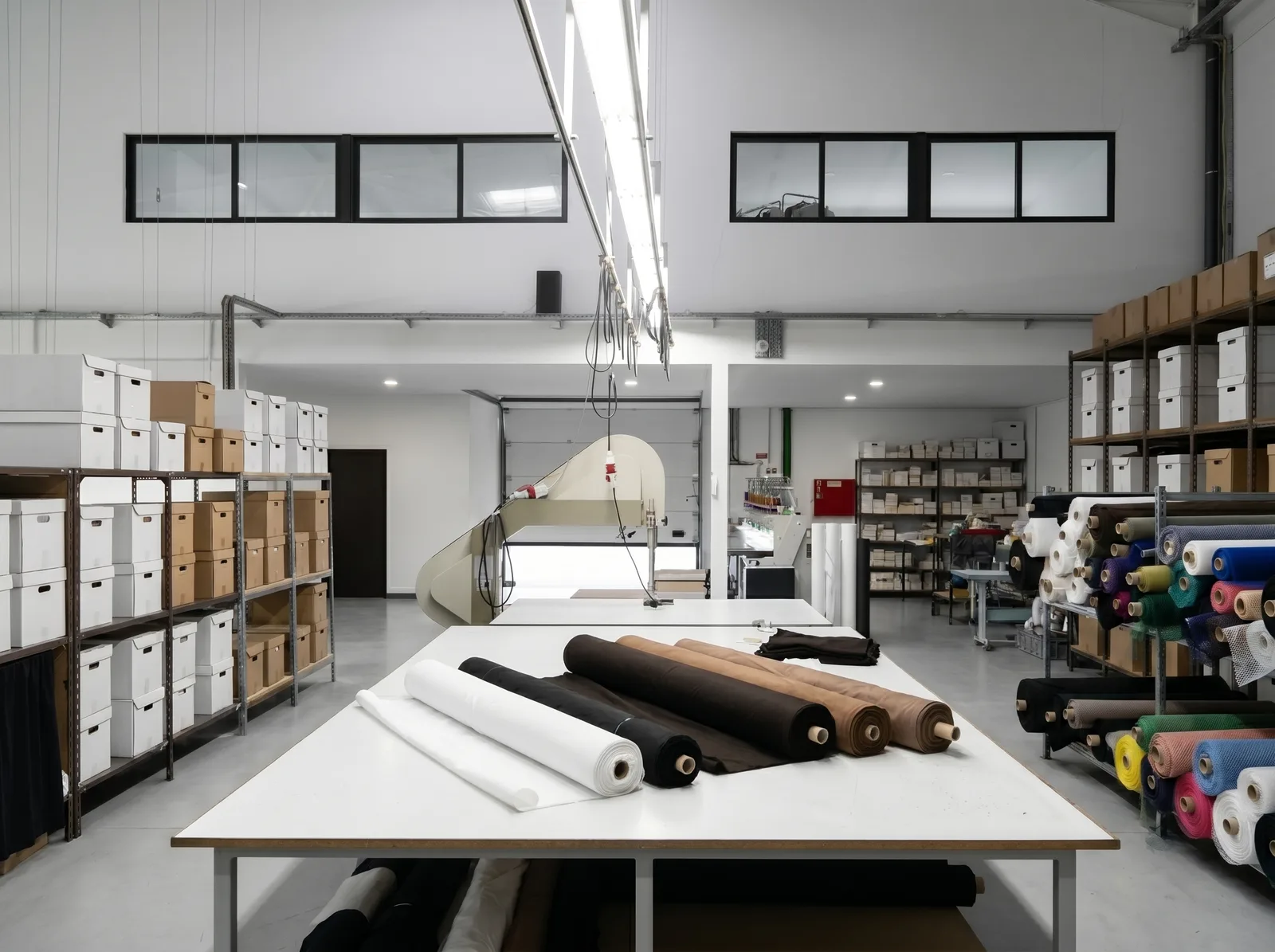
- —They have a standard fabric library that avoids the extra lead time of a custom order
At White Cotton, we maintain relationships with fabric mills across Portugal and Europe. When you come to us with a concept, we can suggest fabrics, send swatches, and advise on the best options for your design, volume, and budget. This collaboration is one of the advantages of working directly with a clothing manufacturer in Portugal. We also work at low MOQs from 75 pieces per colourway, so testing a new fabric does not mean committing to a warehouse of stock. Explore our fabric library or read our fabric weight guide for more detail.

Pedro Carreira
Founder of White Cotton, a textile manufacturer in Barcelos, Portugal. Producing custom clothing collections for brands across 15+ countries.
Continue Reading
What Is a Tech Pack for Clothing? A Real Example, Page by Page
Your First Clothing Sample: What to Expect, What It Costs & Timeline
Manufacturing Oversized Streetwear: Patterns, Fabrics & Production Tips
Polo Shirt Manufacturing: Piqué, Jersey & Premium Construction