French Terry vs Fleece
The key difference between French Terry and Fleece is the inner surface: French Terry has looped, uncut terry loops that wick moisture and breathe, while Fleece has a brushed, napped interior that traps heat. French Terry is the three-season choice (240–350 GSM); Fleece is the cold-weather insulator (280–400 GSM).
Head-to-Head
French Terry
Strengths
- Breathable loop-back interior wicks sweat — ideal for active or indoor wear
- Lighter weight range (240–350 GSM) drapes better and feels less bulky
- Takes screen printing and DTG cleanly due to smooth outer face
- Year-round versatility — works in spring, autumn, and mild winters
- Lower shrinkage rate (3–5%) than brushed fleece when pre-washed
Best For
Brushed Fleece
Strengths
- Brushed napped interior provides superior insulation — 20–30% warmer than French Terry at same weight
- Plush hand-feel creates a premium, cosy perception for the customer
- Available in heavier weights (280–400 GSM) for substantial, heavyweight garments
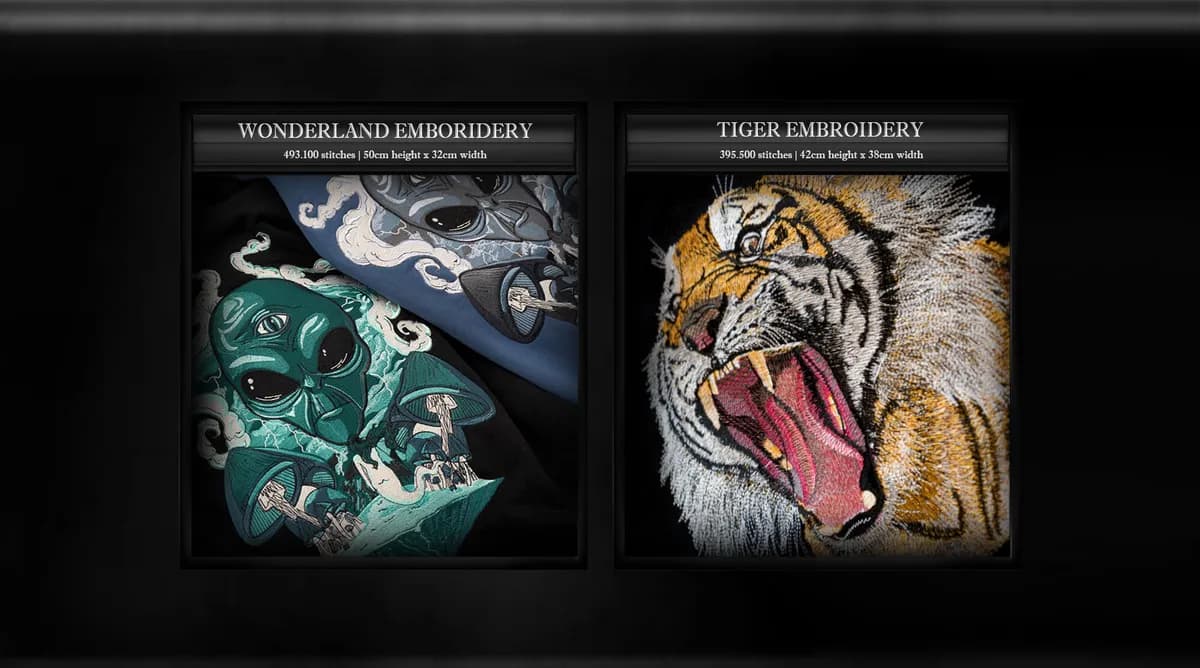
- Excellent embroidery base — thick pile prevents puckering
- Higher perceived value allows for stronger retail margins
Best For
Detailed Comparison
| Criteria | French Terry | Brushed Fleece |
|---|---|---|
| Weight Range | 240–350 GSM | 280–400 GSM |
| Inner Surface | Uncut terry loops | Brushed napped pile |
| Warmth | Moderate — 3-season | High — winter-weight |
| Breathability | Excellent | Moderate |
| Print Compatibility | Excellent (smooth face) | Good (slight texture) |
| Embroidery | Good | Excellent |
| Shrinkage | 3–5% | 5–8% |
| Cost per Meter (approx.) | €6–9/m | €7–11/m |
Verdict
Our Recommendation
Choose French Terry for year-round hoodies, joggers, and athleisure where breathability matters. Choose Fleece for winter-weight pieces where warmth and plush hand-feel justify the higher cost. Most brands need both — French Terry for spring/summer drops, Fleece for autumn/winter.
Common Questions
Frequently Asked
Is French Terry or Fleece better for hoodies?
It depends on the season. French Terry is better for lightweight, breathable hoodies worn year-round, while Fleece is better for heavyweight winter hoodies. Most successful brands produce French Terry hoodies (260–300 GSM) for warmer months and Fleece hoodies (320–380 GSM) for winter collections.
Can you print on both French Terry and Fleece?
Yes, but French Terry gives cleaner results for screen printing and DTG due to its smooth outer face. Fleece works well for embroidery and heat transfers. For detailed multicolour prints, French Terry is the better substrate.
Which fabric pills less?
French Terry generally pills less than brushed fleece because the looped interior doesn't have loose fibres that migrate to the surface. Higher-quality fleece with longer staple cotton will pill less, but French Terry is inherently more resistant.
Related Comparisons
→ Free tech packs — 13 garments, graded specs, ready to send
Need Help Choosing?