Digital Printing
DTG (Direct-to-Garment) Printing
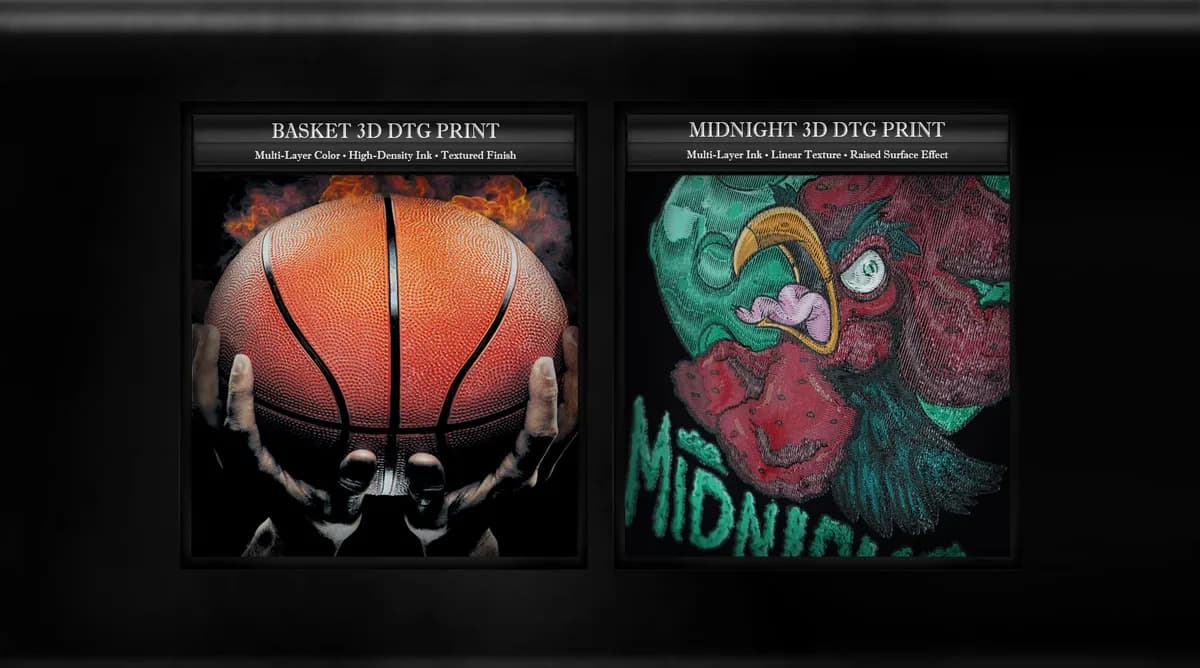
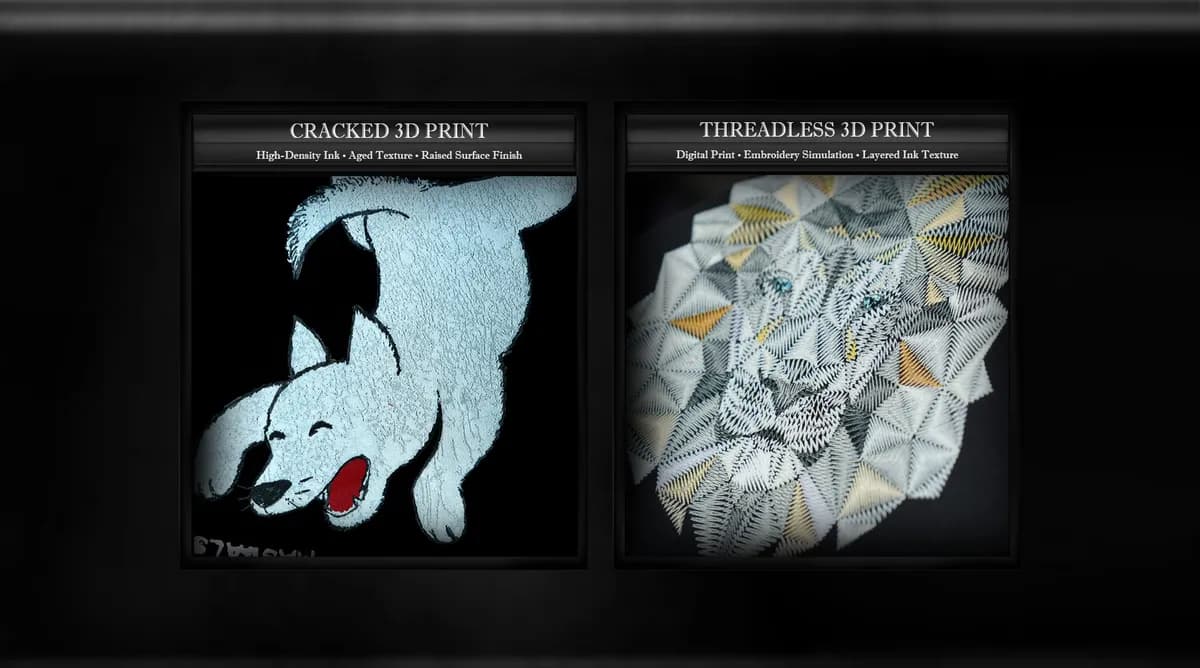
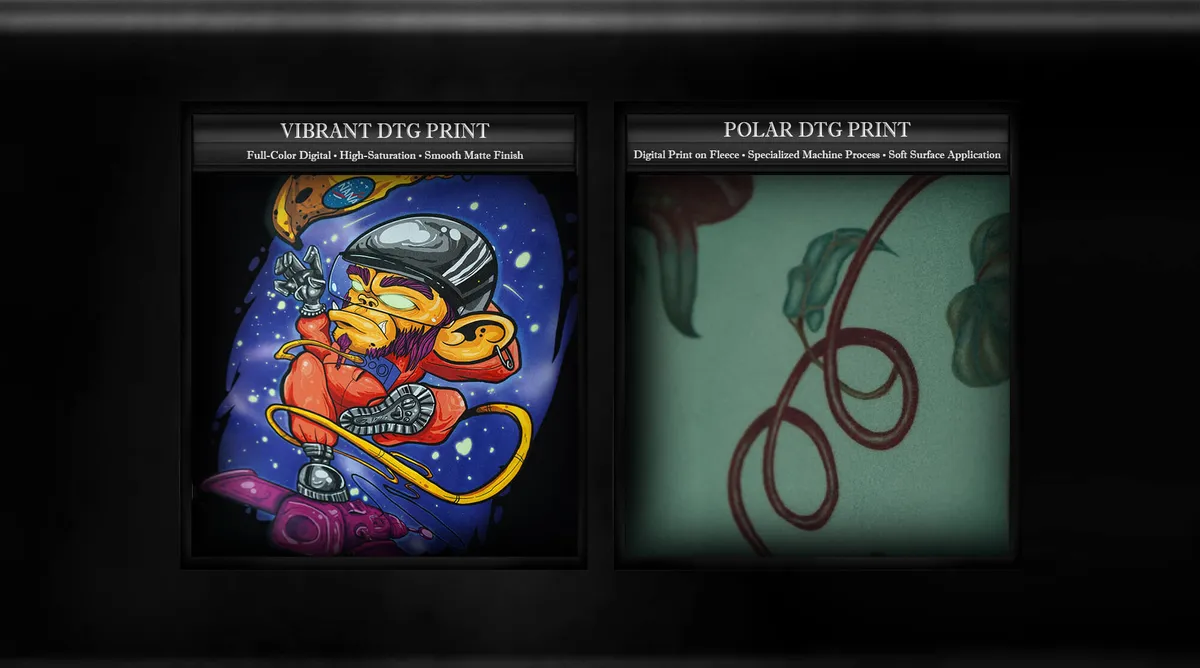
DTG printing uses modified inkjet technology to spray water-based ink directly onto fabric, producing photo-quality prints with unlimited colours in a single pass. At White Cotton, we use DTG for small-run collections, complex artwork, and limited-edition pieces where every print can be unique without any setup cost per colour.
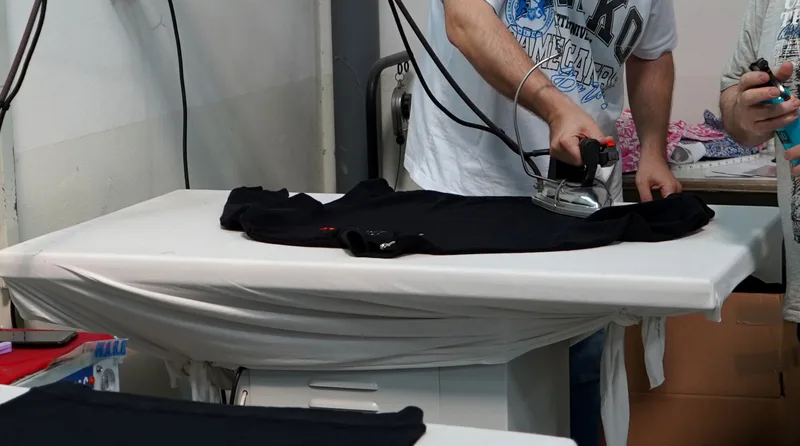
From Our Factory
How It Works
Garments are pre-treated with a bonding agent (essential for white ink adhesion on dark fabrics, optional on light garments).
The pre-treated area is heat-pressed to flatten fibres and activate the bonding agent, creating an even print surface.
The garment is loaded onto the printer platen and the digital file is printed directly — CMYK inks for light garments, white underbase + CMYK for darks.
The printed garment passes through a heat press or tunnel dryer (160–170°C for 35–90 seconds) to cure the ink and lock it into the fibres.
Each print is inspected for colour accuracy, edge sharpness, and wash-fastness before finishing.
Best Fabrics
Best For
Pros & Cons
Pros
- +No setup cost per colour — unlimited colours at no extra charge
- +Photographic quality with fine detail and smooth gradients
- +Soft hand-feel — ink absorbs into the fabric like water-based screen printing
- +Ideal for small runs and one-offs — no minimum tied to setup costs
- +Every print can be different (variable data, unique designs per unit)
Cons
- −Higher per-unit cost than screen printing above 100 units
- −Best results on light-coloured, 100% cotton — dark garments require white underbase
- −Slower production speed than screen printing (1–2 minutes per garment)
- −White ink on dark garments can feel slightly thicker and may crack over many washes
- −Colours can appear more muted on dark fabrics compared to plastisol screen printing
Common Questions
Frequently Asked
What is DTG printing?
DTG (Direct-to-Garment) printing is a digital printing method that sprays water-based ink directly onto fabric using modified inkjet technology. It produces photo-quality prints with unlimited colours, no screens or setup costs per colour. It is ideal for small-run collections, complex artwork, and limited-edition pieces.
Is DTG better than screen printing?
Neither is universally better — they serve different needs. DTG wins for small runs (under 75 units), complex multi-colour artwork, and variable designs. Screen printing wins for large runs (100+ units), bold spot colours, and specialty effects like puff or discharge. At White Cotton, we help brands choose the right method based on design complexity, quantity, and budget.
Does DTG work on dark-coloured garments?
Yes, but with caveats. Dark garments require a white ink underbase printed first, then CMYK on top. This adds a slight hand-feel and increases cost. The white underbase can also yellow slightly over many washes if not cured properly. For best results on darks, we recommend screen printing with discharge ink or DTF printing instead.
How durable are DTG prints?
When properly pre-treated and cured, DTG prints last 50+ washes on light-coloured garments. On dark garments (with white underbase), durability is slightly lower — we recommend inside-out washing at 30°C. DTG prints do not crack like plastisol but can fade gradually over many washes, similar to water-based screen prints.
What fabrics work best for DTG?
DTG works best on 100% cotton or high-cotton blends (80%+ cotton). The ink bonds with natural cellulose fibres, so pure cotton produces the sharpest, most vibrant results. Polyester and synthetic blends cause ink migration (colour bleeding) and are not recommended. Our organic cotton jersey at 180–220 GSM is the ideal DTG fabric.
→ Free tech packs — 13 garments, graded specs, ready to send
Related Reading
Interested in DTG (Direct-to-Garment) Printing?
Explore More