Screen Printing
Screen Printing
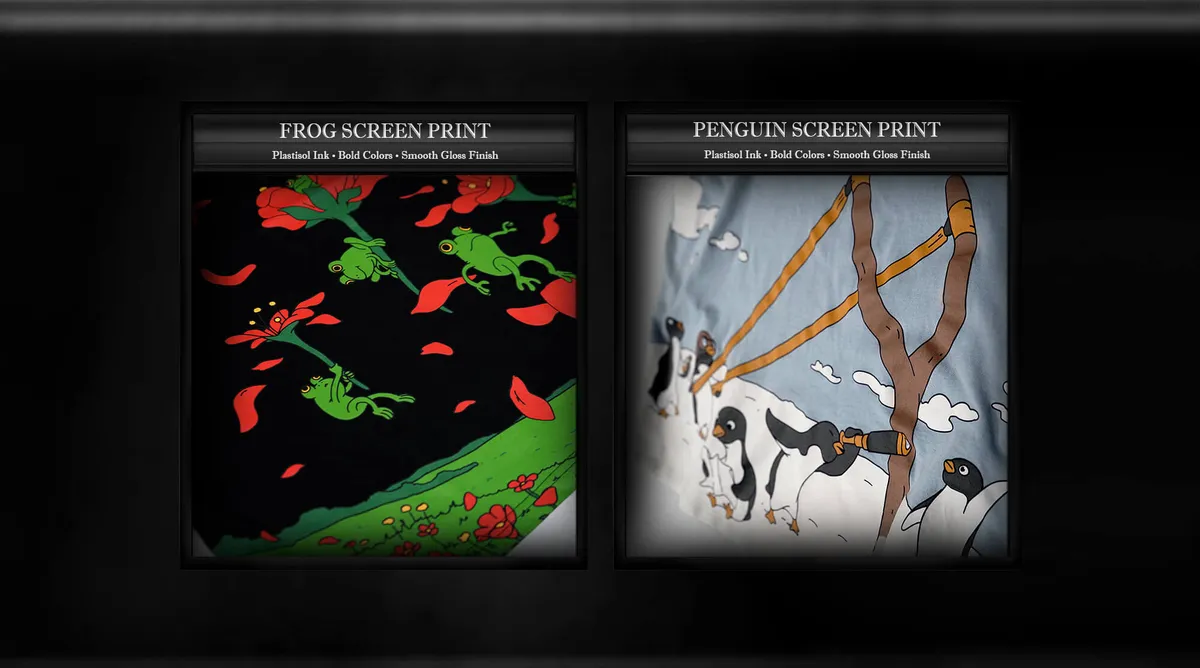
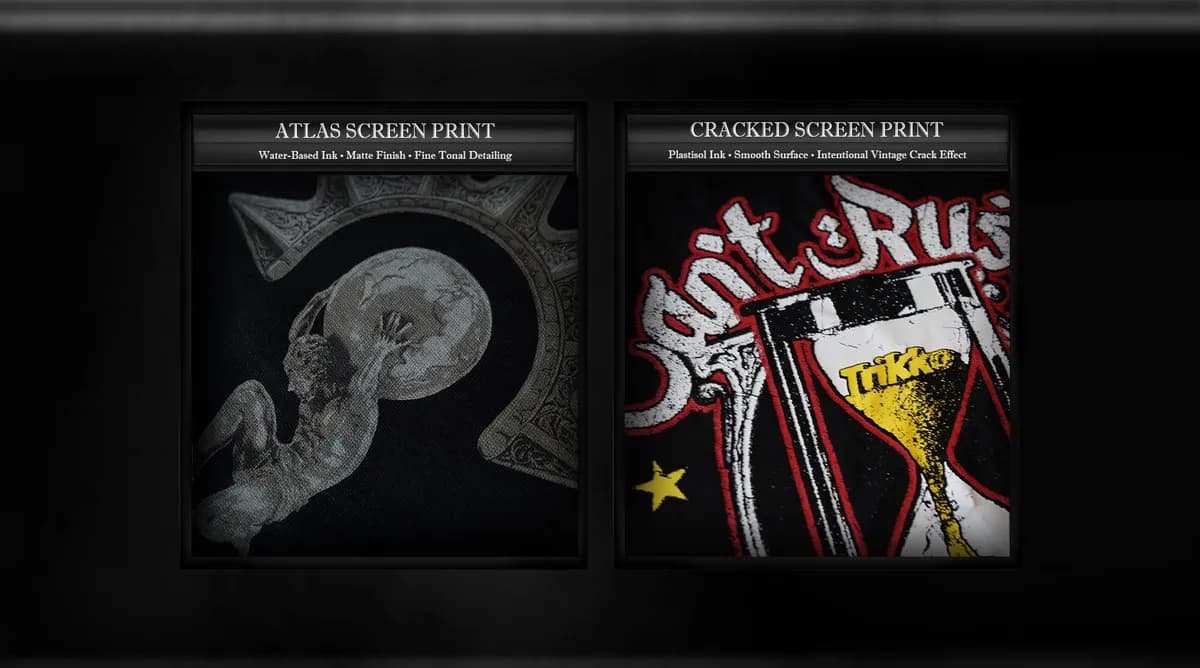
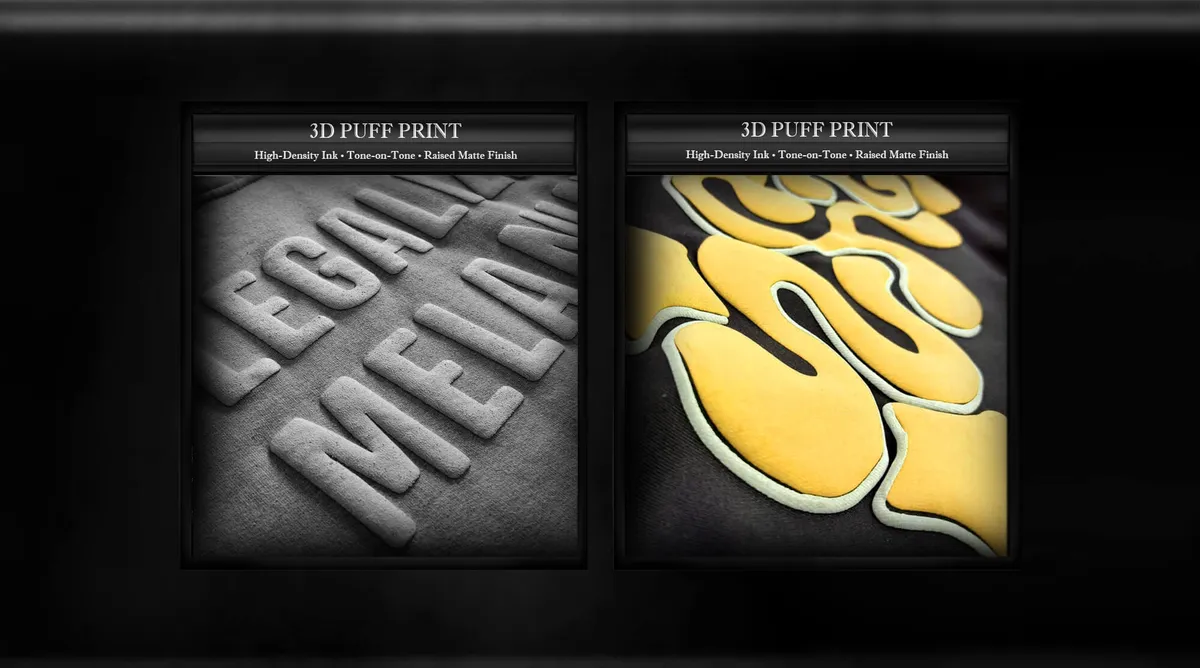
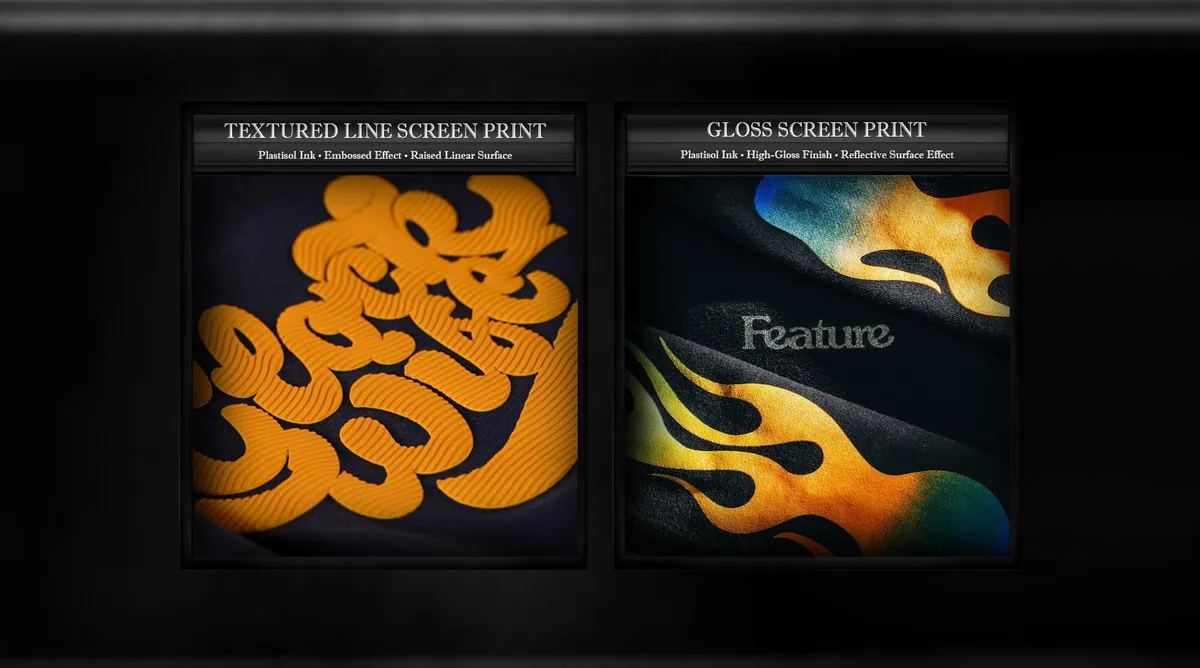
Screen printing pushes ink through a mesh stencil onto fabric, one colour at a time, producing vibrant, opaque prints with outstanding wash durability. At White Cotton, we offer water-based, plastisol, discharge, puff ink, and CMYK process printing — handling everything from single-colour chest logos to complex multi-layer artwork.
From Our Factory
How It Works
Artwork is separated into individual colour layers — each colour requires its own screen (mesh stretched over an aluminium frame).
Screens are coated with photosensitive emulsion, exposed with UV light through a film positive, and washed to reveal the stencil.
Garments are loaded onto the press platens and screens are registered (aligned) to ensure perfect colour-to-colour positioning.
Ink is pushed through each screen in sequence using a squeegee — water-based, plastisol, or discharge depending on the desired finish.
Printed garments pass through a conveyor dryer (160–170°C for plastisol, 150°C for water-based) to cure the ink permanently.
Best For
Pros & Cons
Pros
- +Lowest per-unit cost at scale — price drops significantly above 100 units
- +Vibrant, opaque colours even on dark fabrics
- +Wide range of ink effects: soft hand, puff, metallic, glow-in-the-dark, discharge
- +Excellent wash durability with proper curing
- +Industry standard — proven and trusted for decades
Cons
- −Setup cost per colour (screen making) makes it expensive for very small runs
- −Each colour requires a separate screen — 6+ colour designs get costly
- −Not economical for one-off or highly variable designs
- −Photographic/gradient detail is limited (halftone dots visible up close)
- −Water-based inks require careful humidity and temperature control
Common Questions
Frequently Asked
What is the difference between water-based and plastisol screen printing?
Water-based inks absorb into the fabric, producing a soft hand-feel with no texture — the print feels like part of the garment. Plastisol sits on top of the fabric as a thin film, giving more vibrant, opaque colours but a slightly rubbery feel. At White Cotton, we recommend water-based for premium fashion and streetwear, and plastisol for bold graphics that need maximum opacity on dark garments.
What is discharge printing?
Discharge printing uses a chemical agent that strips the fabric dye from dark garments and replaces it with a new colour in a single pass. The result is a print with zero hand-feel — it looks and feels like the fabric itself was dyed that colour. It works best on 100% cotton garments (not polyester) and produces a vintage, worn-in aesthetic that is hugely popular in streetwear.
How many colours can you screen print?
We can print up to 8 spot colours per design on our semi-automatic presses. For photographic or full-colour artwork, we use CMYK process printing (4 screens) which simulates the full colour spectrum through halftone dots. Most streetwear designs use 1–4 colours, which keeps setup costs reasonable.
What is the minimum order for screen printing?
Our minimum for screen printing is 75 units per design per colourway. Screen making is a fixed setup cost (regardless of quantity), so the per-unit price drops significantly at higher volumes. For runs under 75 units, DTG or DTF printing is usually more cost-effective.
Can you screen print on hoodies and sweatshirts?
Absolutely — screen printing on French Terry and fleece is one of our specialties. We adjust ink deposit, squeegee pressure, and cure temperature for heavier fabrics. Plastisol works best on fleece for opacity, while discharge printing creates a stunning no-feel finish on heavyweight organic cotton hoodies.
→ Free tech packs — 13 garments, graded specs, ready to send
Interested in Screen Printing?
Explore More