01Requirement
Write the claim before choosing the cloth.
Tell us whether the collection requires organic, recycled, safety-tested or another documented material standard.
Measured practice
Materials, people, distance and quantity matter more when the evidence travels with the garment.
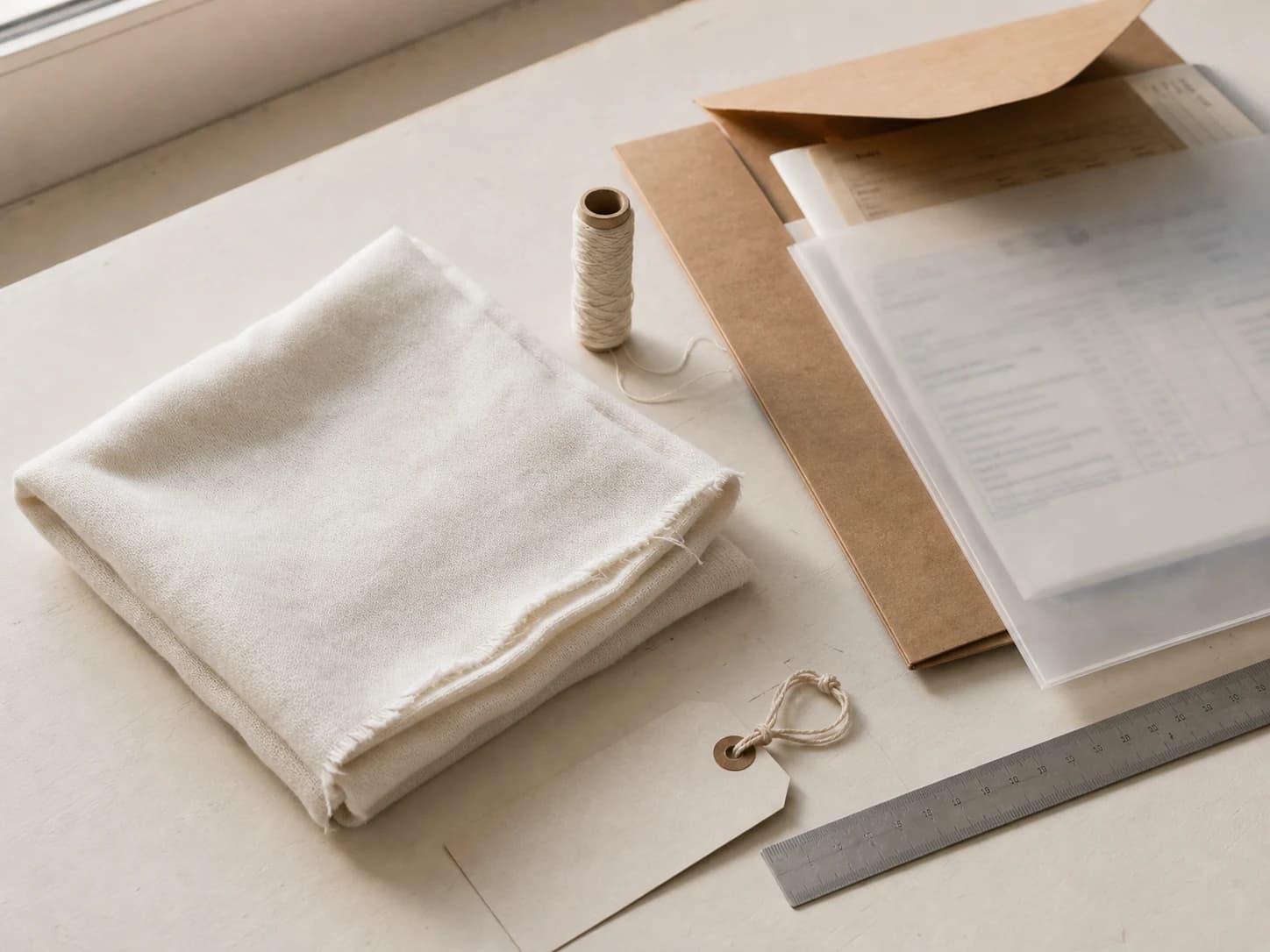 Material record / project evidence
Sustainability without slogans
We do not begin with a badge. We begin with the requirement, the source and the production decision that can be checked for your project.

The material passport
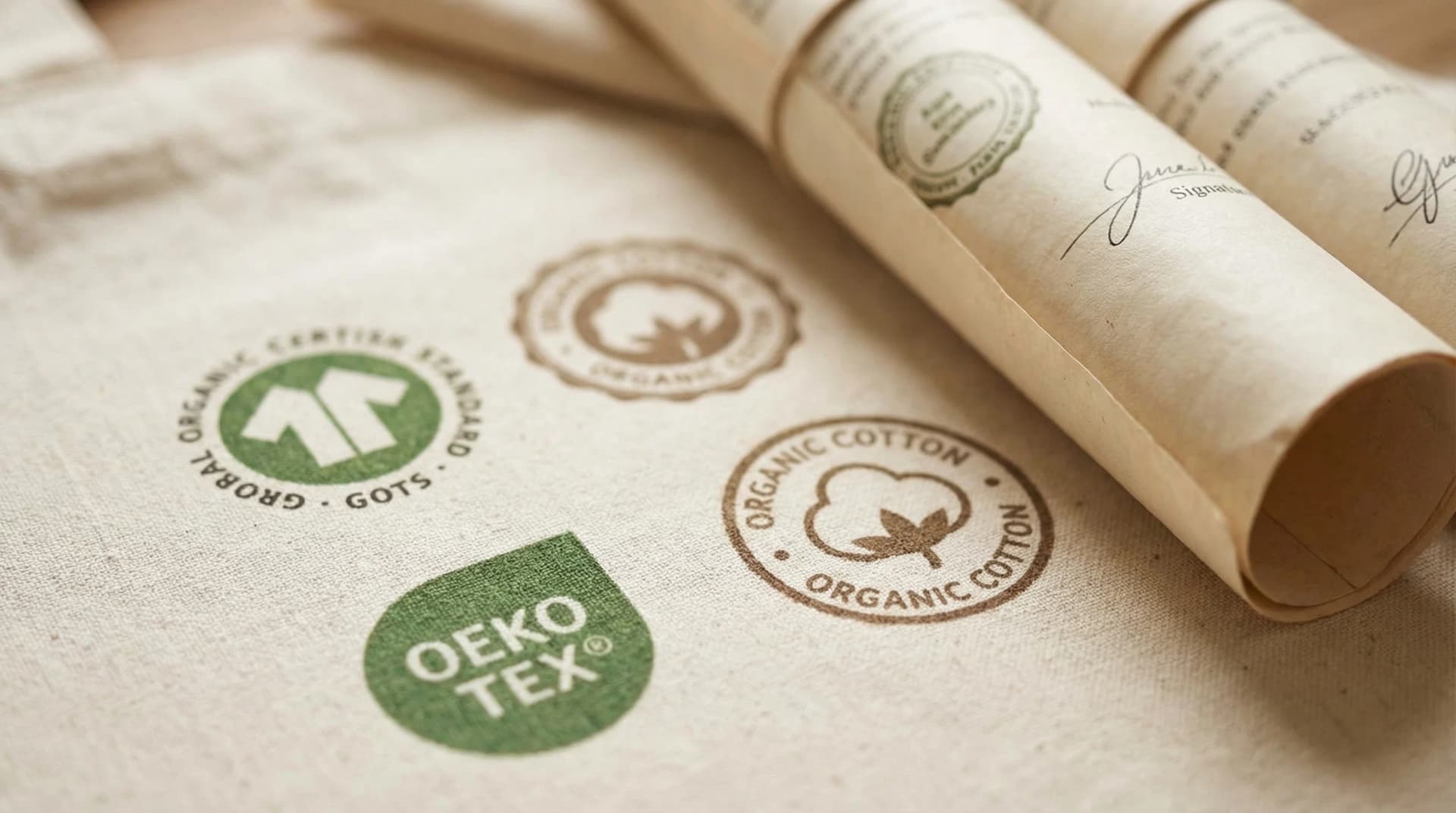
Certified material can be sourced when the project requires it. The useful question is not “which logos can we show?” It is “which document belongs to this exact fabric?”
Tell us whether the collection requires organic, recycled, safety-tested or another documented material standard.
We confirm availability, minimums, commercial impact and the documents that apply to that exact material.
The approved source and document set stay attached to the project, so the finished claim does not outrun the evidence.
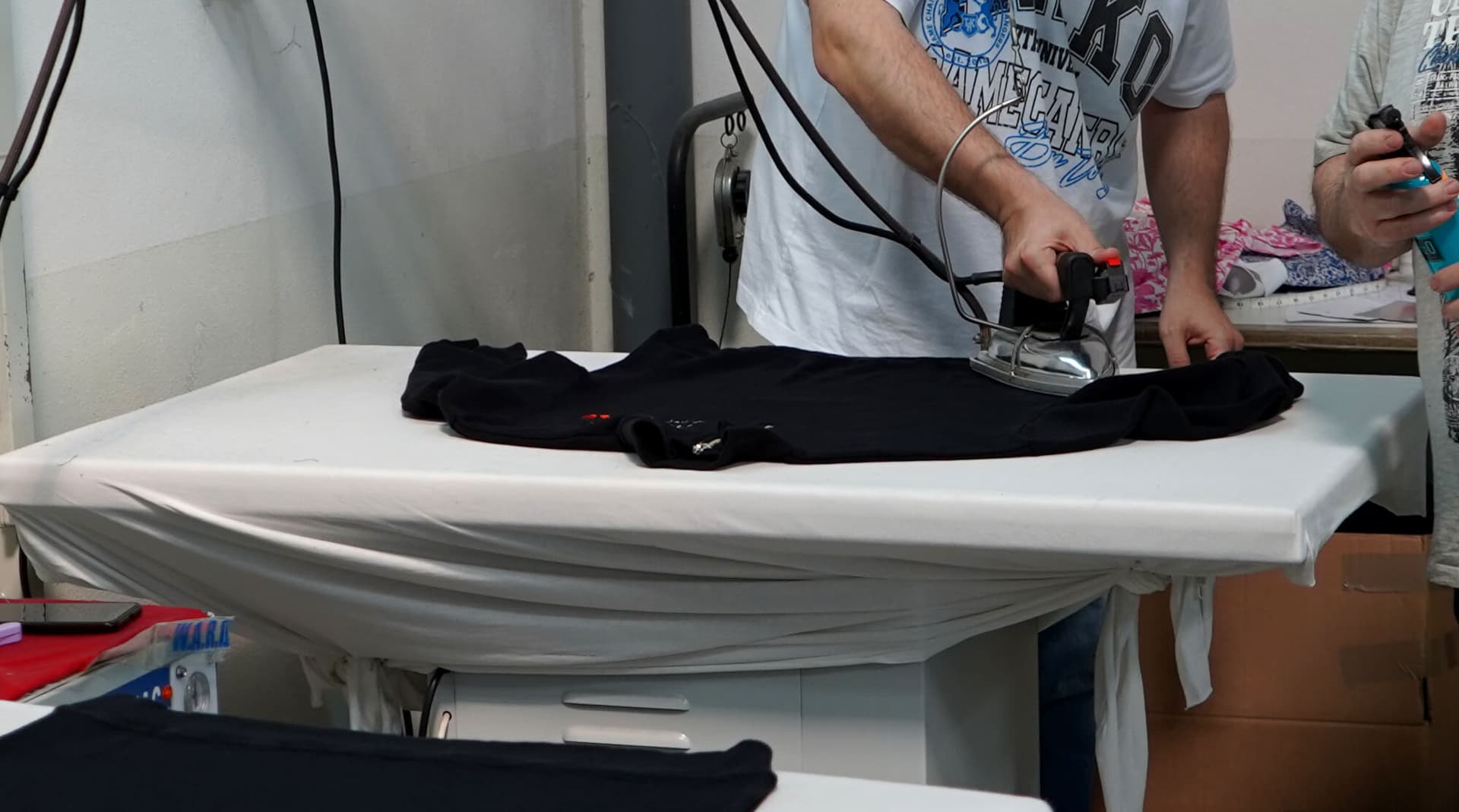
A shorter, visible chain
Material confirmation, garment making and quality control remain close enough to inspect, question and correct before dispatch.
The work behind the claim
No single gesture makes a garment responsible. The result comes from smaller decisions made before and during production.
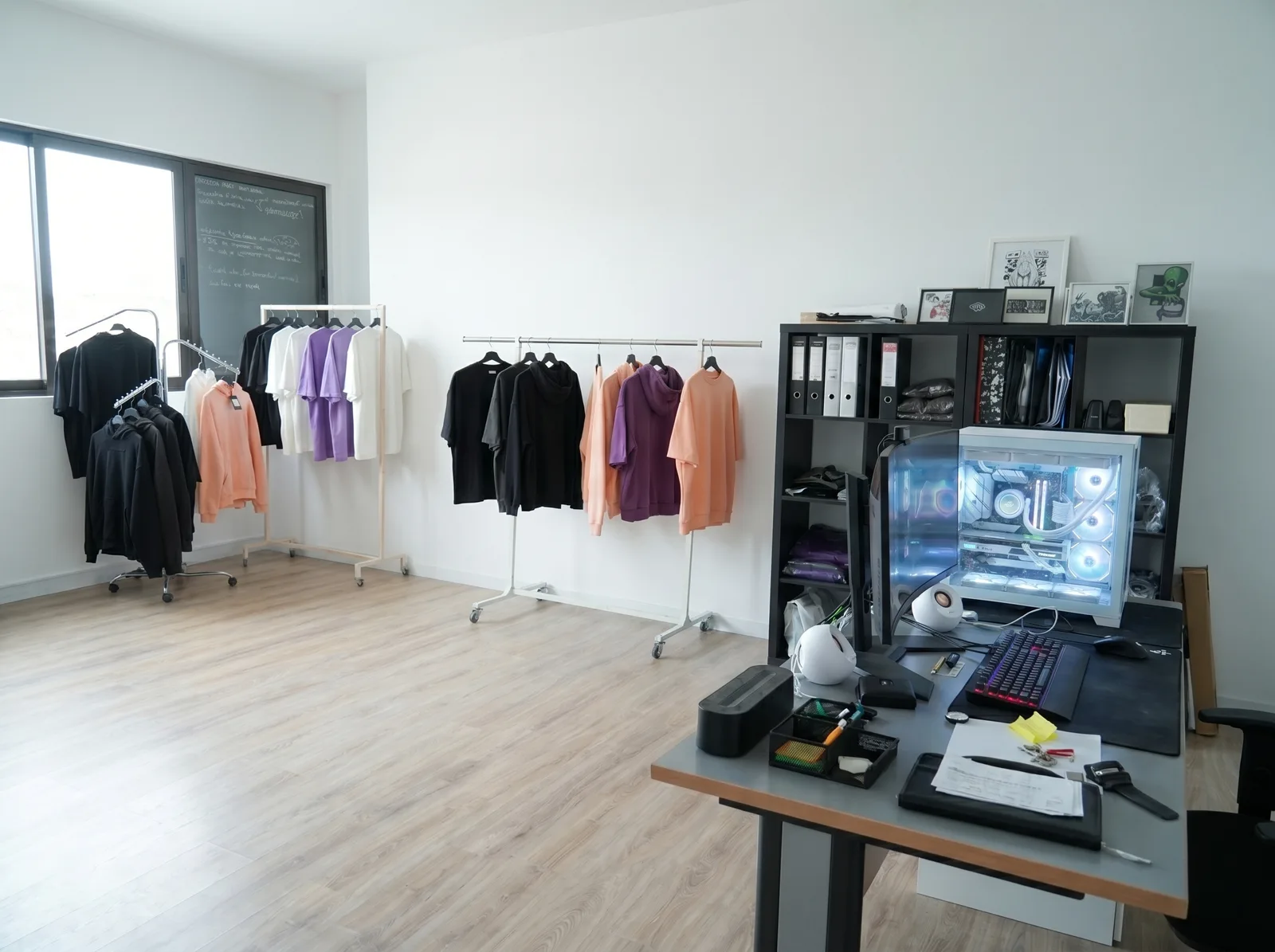
Clear product decisions and efficient layouts protect more material than any end-of-line promise.
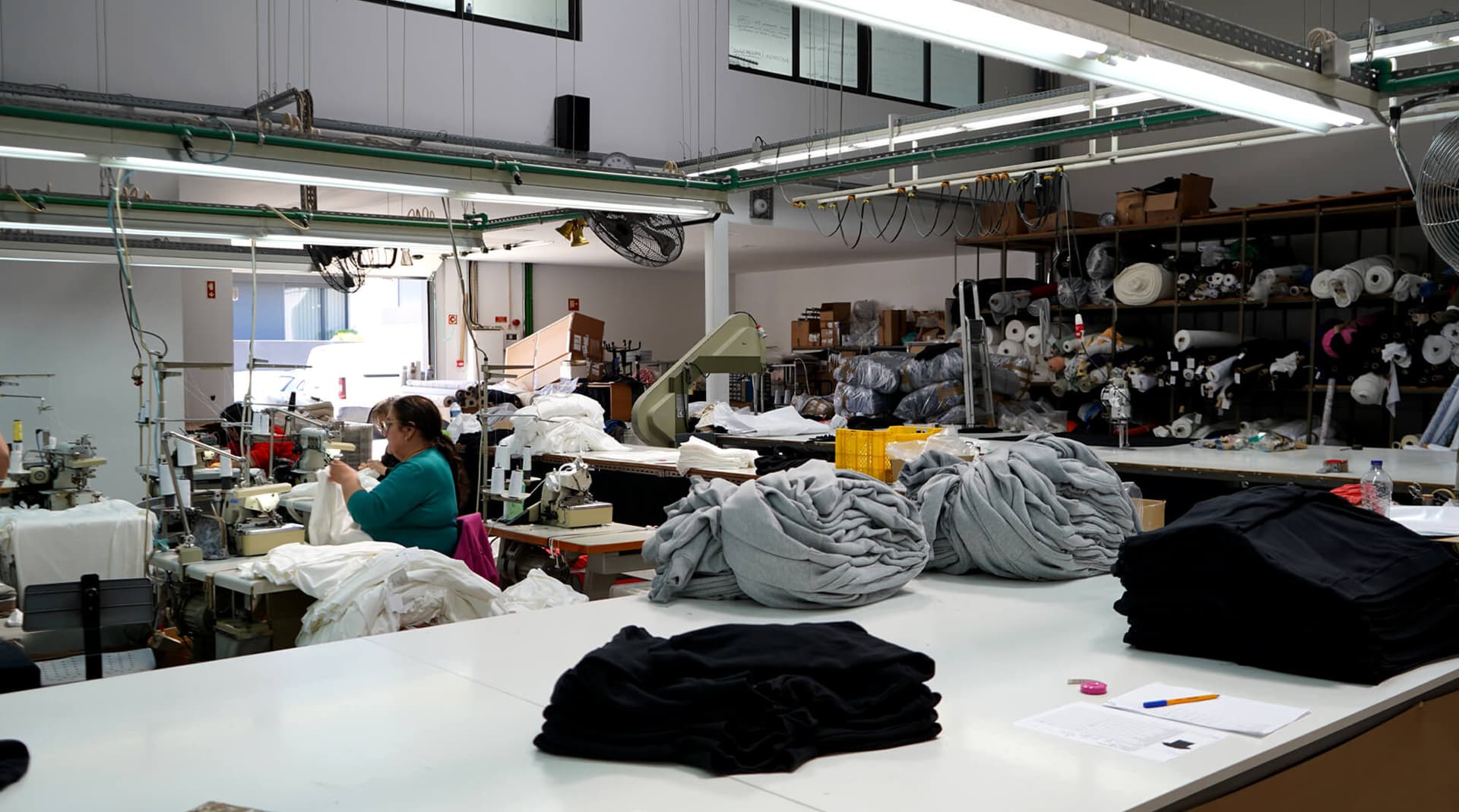
Direct production removes the ambiguity of hidden hand-offs and keeps responsibility attached to a known place and team.
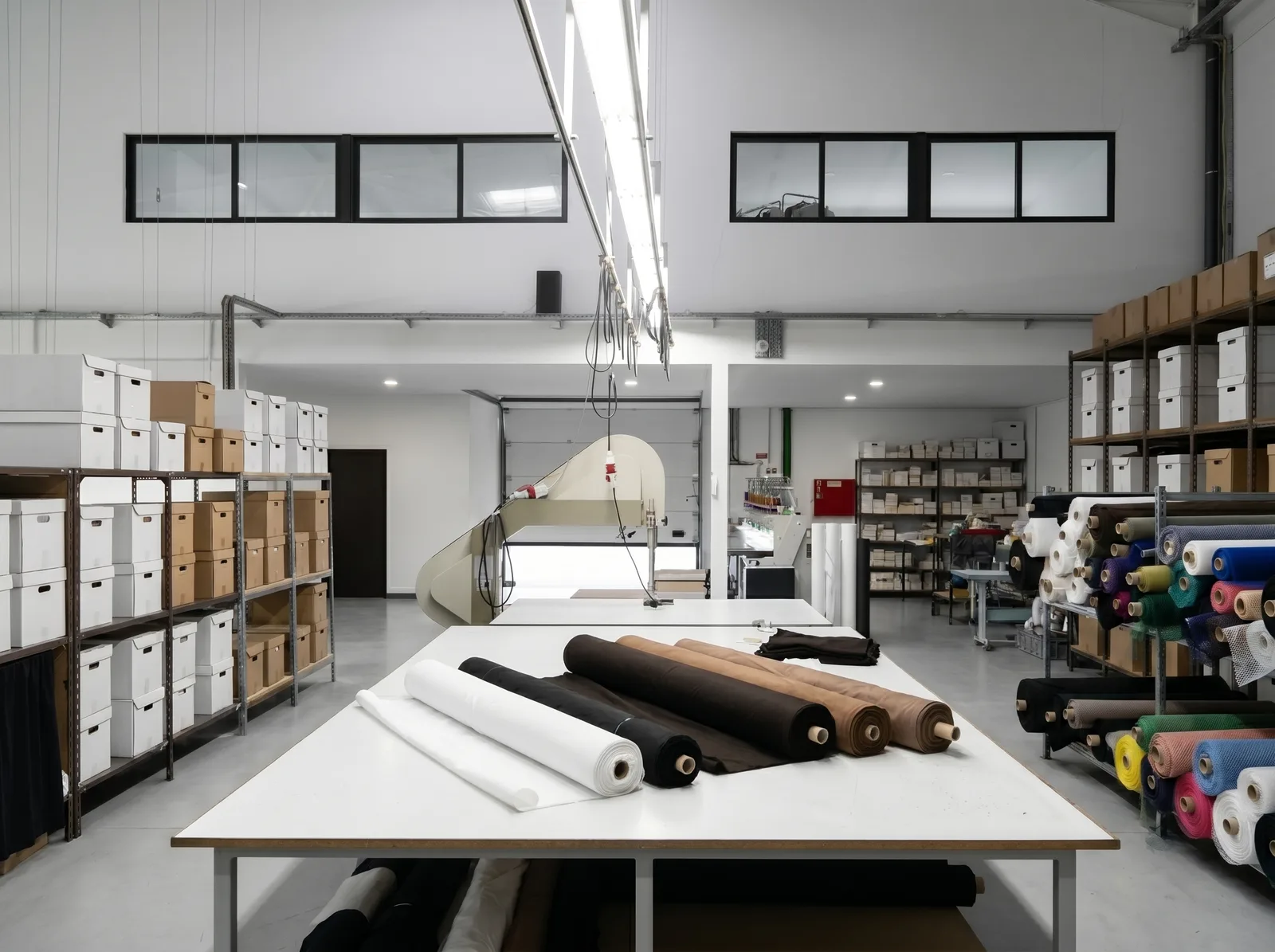
Better briefs reduce avoidable samples. Approved cutting plans reduce offcuts. Remaining scraps are separated for recycling, and packaging choices are reviewed with the order.

Built in Barcelos
Barcelos is not a moodboard reference. It is the textile region where material knowledge, production infrastructure and experienced hands meet every working day.
41.53° N · 8.62° W
Name the certification or composition requirement the collection needs.
Define which supporting documents your retailer, market or campaign must receive.
Review sampling, packaging and quantity decisions before they become avoidable waste.
For your project
Sustainability becomes useful when it enters the brief early enough to influence sourcing, cost, minimums and production—not when it is added to the campaign at the end.
Explore fabric samplingPlain answers
Need evidence for a specific retailer or market? Send the requirement with your project brief.
comercial@whitecotton.ptWhite Cotton currently holds no third-party textile certification. If your collection requires certified material, we confirm suitable partner-mill options and the supporting documentation for the specific project before production.
Yes. Tell us which material standard matters to the collection. We then confirm availability, minimums, price and the document set with the relevant mill before the material is approved.
The first control is an efficient cutting plan. We also limit avoidable sampling through clearer approvals, separate production offcuts for recycling, and use recycled or recyclable packaging where the project allows it.
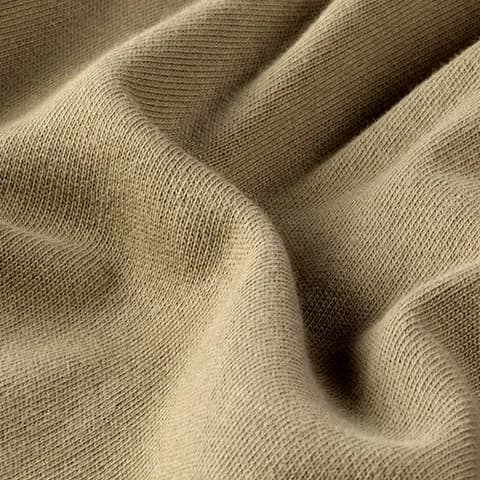 Material route / available on request
Build with evidence
Tell us what the collection needs to prove. We will map the material, documents and production decisions before the first sample.
White Cotton · Barcelos
Three generations of manufacturing — minimums from 75 pieces per colourway, and a quotation within a few days.