Embroidery
Embroidery
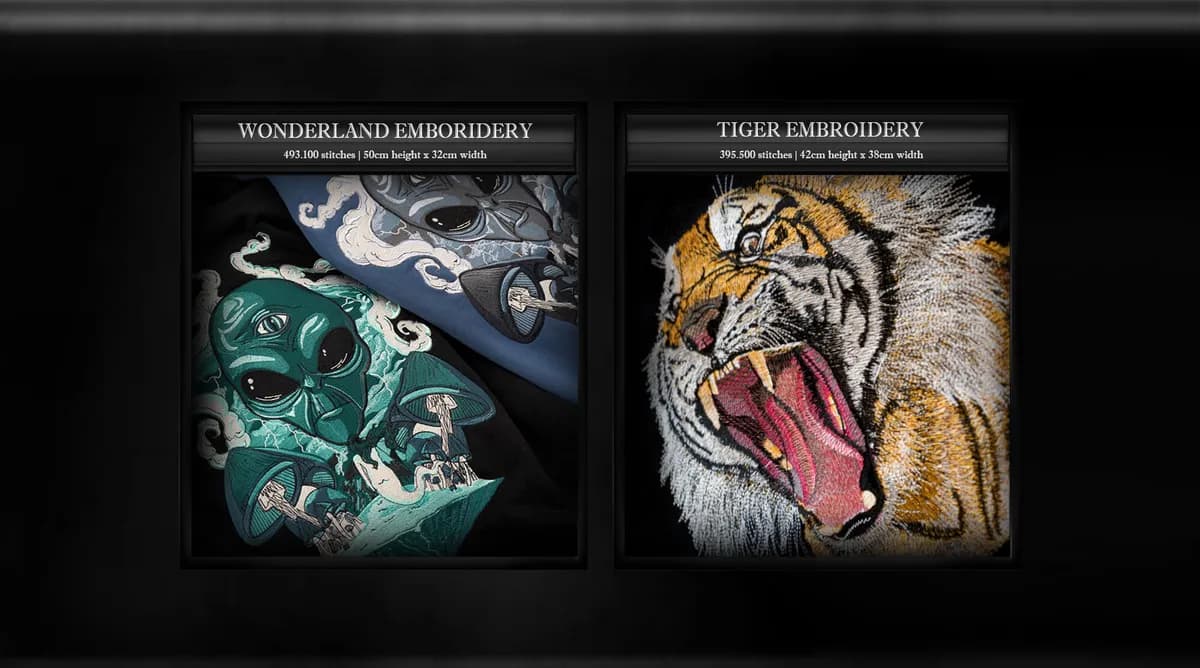
Embroidery is the art of stitching thread directly into fabric using industrial multi-head machines to create durable, textured designs. At White Cotton, we digitise your artwork, set up multi-head Tajima machines, and stitch onto finished garments — producing logos, lettering, and detailed motifs that outlast any print.
From Our Factory
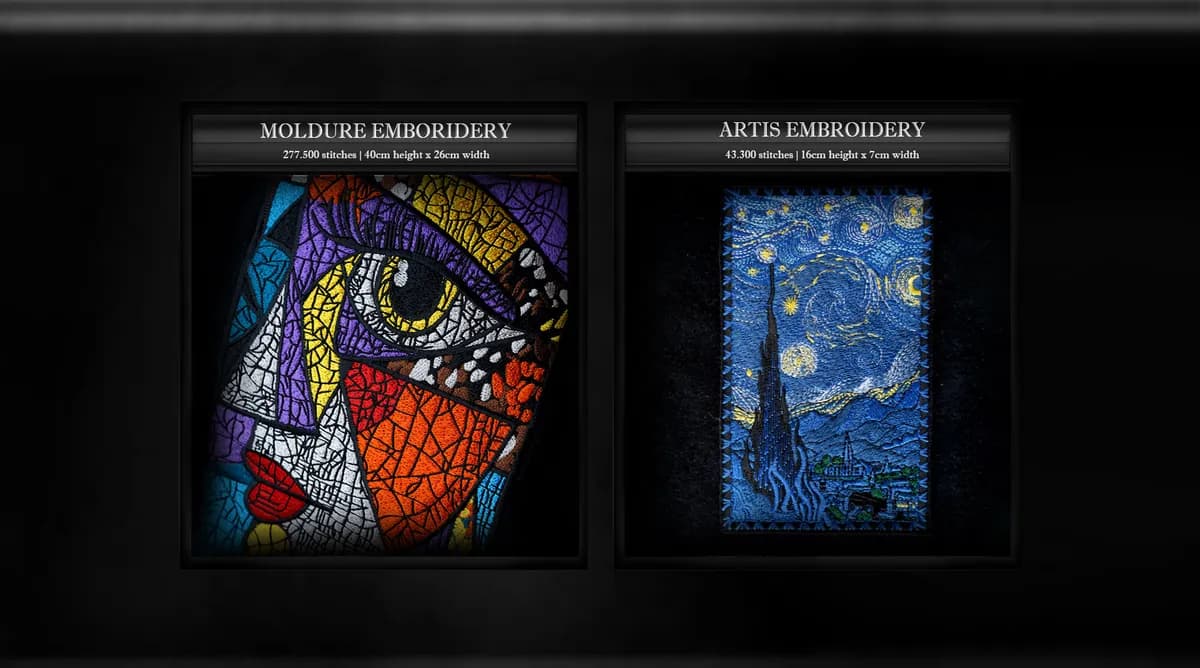
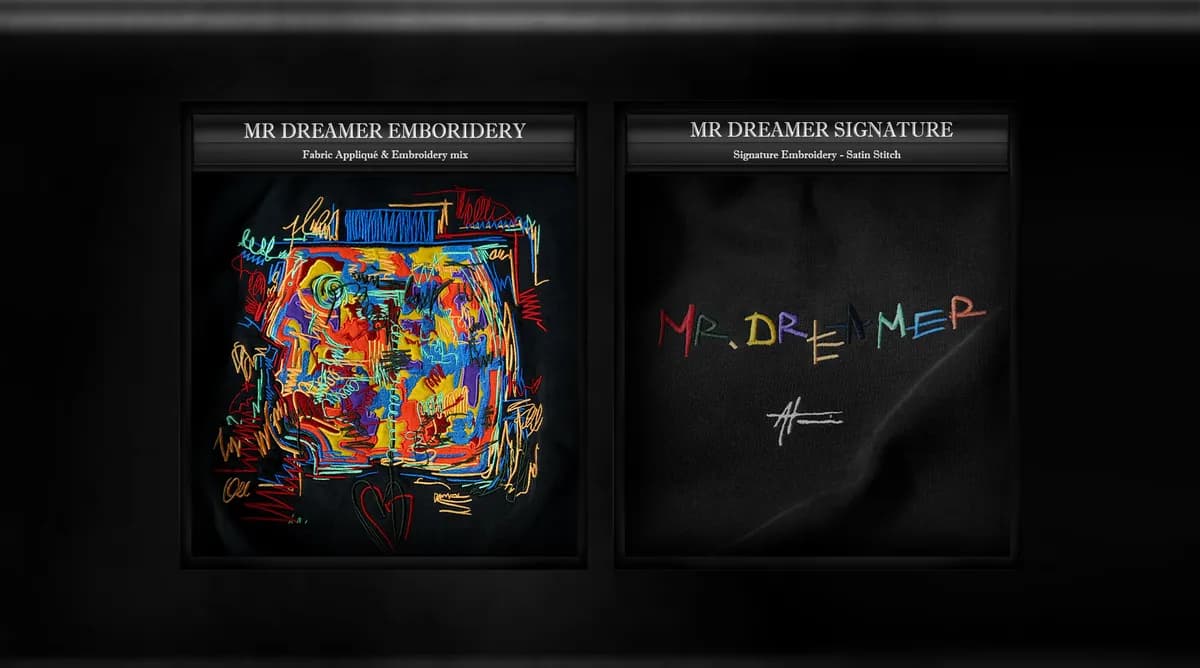
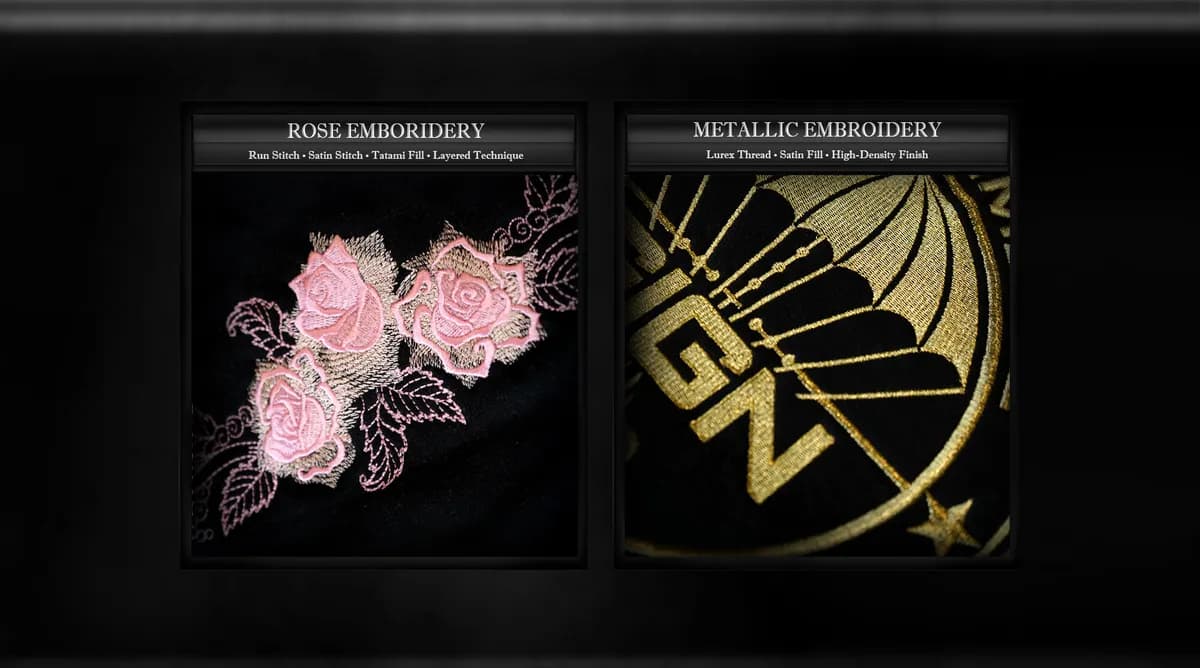
How It Works
Artwork is digitised into a stitch file (.DST) — our technicians adjust stitch density, underlay, and pathing for the target fabric.
The correct backing (tear-away, cut-away, or water-soluble) is selected based on fabric stretch and weight.
Garments are hooped and loaded onto multi-head Tajima machines for simultaneous production across dozens of units.
Machines stitch the design at up to 1,000 stitches per minute, with automatic thread-break detection.
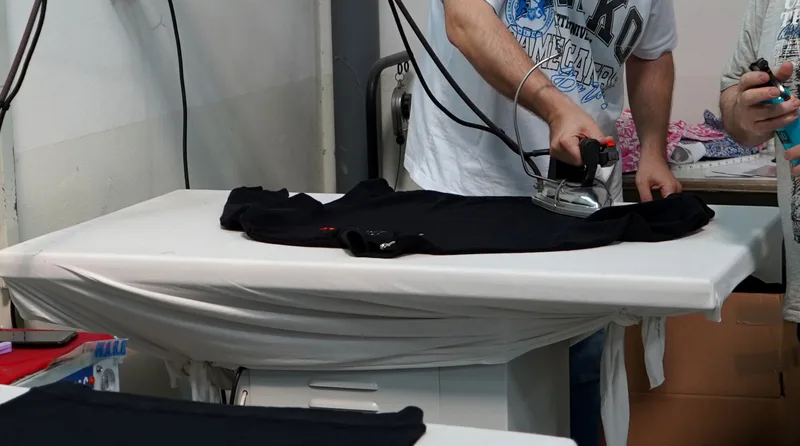
Finished garments are trimmed, backing is removed or secured, and each piece is inspected for stitch accuracy and thread tension.
Best For
Pros & Cons
Pros
- +Exceptional durability — stitching outlasts the garment itself
- +Premium tactile finish that elevates perceived value
- +No cracking, peeling, or fading over time
- +Works on virtually any fabric weight and type
- +Wide colour range with Madeira and Isacord thread libraries
Cons
- −Higher per-unit cost than screen printing for large runs
- −Not suited for photographic or highly detailed artwork (pixel-level detail)
- −Stitch count increases production time on complex designs
- −Very large designs (full-back) can stiffen the fabric
Common Questions
Frequently Asked
What is the minimum order quantity for embroidered garments at White Cotton?
Our standard MOQ for embroidered garments follows our production minimums: 100 units per style in one colourway, or 75 per colourway across two or more. Setup involves digitisation of your artwork, which is a one-time cost reusable for all future orders.
How many colours can embroidery support?
Our multi-head Tajima machines support up to 15 thread colours per design. Each colour requires a separate needle, so designs with fewer colours run faster and cost less. We carry over 400 thread shades from Madeira and Isacord, and can match Pantone references on request.
Does embroidery work on lightweight fabrics like jersey?
Yes, but it requires careful stabilisation. We use water-soluble topping on jersey to prevent stitches from sinking into the knit, and cut-away backing underneath for permanent support. Designs on lightweight fabrics should be kept under 10,000 stitches to avoid puckering. Heavier fabrics like French Terry and fleece are ideal for embroidery.
How durable is embroidery compared to screen printing?
Embroidery is the most durable decoration method available. Thread is physically stitched into the fabric, so it cannot crack, peel, or wash off. A well-executed embroidered logo will outlast the garment itself. Screen printing, while durable, can crack or fade after 50+ washes depending on ink type.
What file format do you need for embroidery?
We accept vector files (AI, EPS, PDF) or high-resolution PNG/JPEG at minimum 300 DPI. Our digitising team converts your artwork into a stitch file (.DST), optimising stitch direction, density, and underlay for your specific fabric. Digitisation is a one-time setup cost — the file is saved and reused for all future orders.
→ Free tech packs — 13 garments, graded specs, ready to send
Related Reading
Interested in Embroidery?
Explore More