Digital Printing
Heat Transfer & Vinyl
Heat transfer applies pre-cut or printed designs onto garments using heat and pressure, encompassing vinyl cutting (HTV), printed transfers, and flock finishes. At White Cotton, we use heat transfer for names, numbers, small-run personalisation, and specialty effects like flock and reflective vinyl — fast turnaround, no screens, no minimums on decoration.
From Our Factory
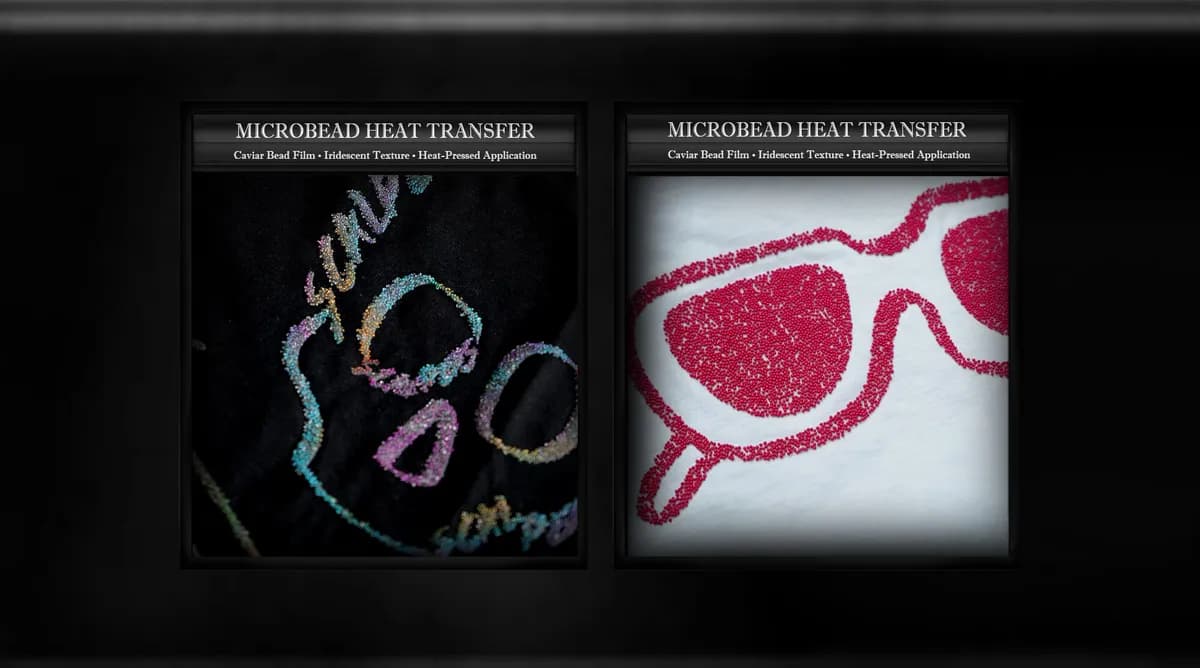
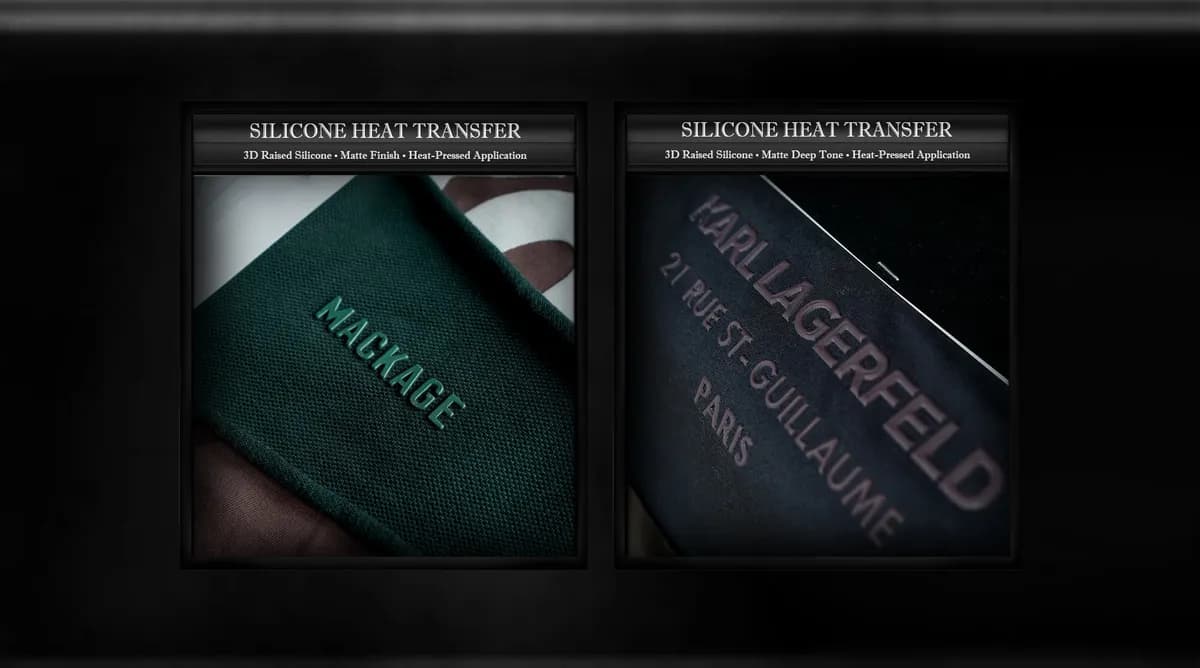
How It Works
For vinyl (HTV): artwork is sent to a cutting plotter that cuts the design from coloured vinyl sheets — excess vinyl is weeded (removed) by hand.
For printed transfers: artwork is digitally printed onto transfer paper or film with adhesive backing.
For flock: a fibre-coated adhesive sheet is cut to shape, producing a velvet-textured transfer.
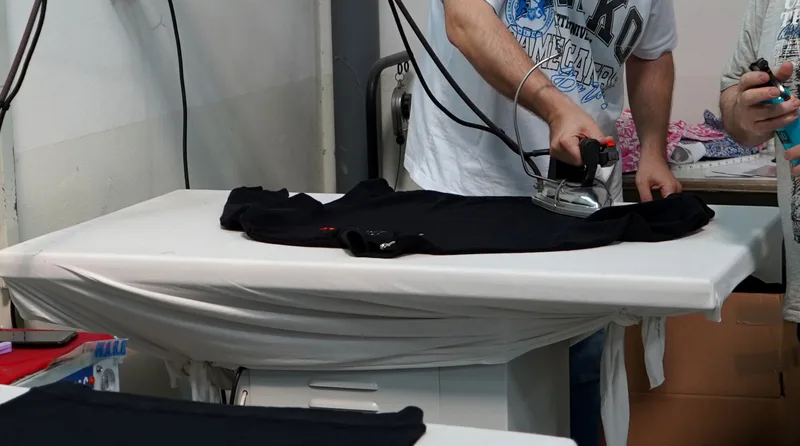
The transfer or vinyl is positioned on the garment and heat-pressed at 150–170°C for 10–20 seconds under firm pressure.
The carrier sheet is peeled away (hot or cold peel) and the garment is inspected for adhesion, edge sharpness, and finish quality.
Best Fabrics
Best For
Pros & Cons
Pros
- +No setup costs — cut directly from file, no screens or films needed
- +Fast turnaround — single units can be produced in minutes
- +Wide variety of specialty finishes: flock, reflective, metallic, glitter, holographic
- +Works on virtually any fabric that can withstand heat pressing
- +Precise, clean edges for text and geometric designs
Cons
- −Vinyl sits as a film on the surface — less breathable than ink-based methods
- −Not suited for photographic or multi-colour complex designs (each colour is a separate layer)
- −HTV can peel or lift at edges after many washes if not pressed correctly
- −Large single-colour areas can feel plasticky and stiff
- −Per-unit cost is higher than screen printing for runs above 50 units
Common Questions
Frequently Asked
What is heat transfer vinyl (HTV)?
HTV (heat transfer vinyl) is a thin coloured vinyl material that is cut into shapes by a plotter, weeded (excess removed), and heat-pressed onto fabric. It produces clean, precise designs in solid colours and is widely used for names, numbers, logos, and text on sportswear, workwear, and promotional garments.
What is the difference between heat transfer and DTF?
DTF is a specific type of heat transfer that uses digitally printed films with adhesive powder. Traditional heat transfer includes vinyl (HTV), flock, and other pre-made transfers. DTF offers full-colour photo-quality prints, while HTV is limited to solid colours but excels at clean text and geometric designs. Both use a heat press for application.
What is flock transfer?
Flock is a heat transfer material with a velvet-textured surface made from thousands of tiny fibres standing upright. When heat-pressed onto a garment, it produces a soft, raised, suede-like finish. It is popular for vintage-inspired designs, premium branding, and retro sportswear lettering. We offer flock in over 20 standard colours.
How durable are heat transfers?
Quality HTV and flock transfers last 40–50+ washes when properly applied with correct temperature, pressure, and dwell time. The most common failure point is edges lifting due to insufficient pressure or incorrect temperature. At White Cotton, we test every material batch for adhesion before production and use commercial-grade presses calibrated daily.
Can you print reflective vinyl?
Yes. We offer 3M-grade reflective HTV that meets EN ISO 20471 visibility standards for workwear. Reflective vinyl is cut by our plotter and heat-pressed like standard HTV. It is commonly used for safety workwear, running gear, and cycling apparel. The reflective properties remain effective for 25+ washes with proper care.
→ Free tech packs — 13 garments, graded specs, ready to send
Related Reading
Interested in Heat Transfer & Vinyl?
Explore More