Saudi Arabia Fashion Market 2026 — Vision 2030 & Opportunities for Brands
Saudi fashion market analysis: $32B market size, Vision 2030 investment, consumer demographics, modest fashion, streetwear, and how brands can enter Saudi.
 Pedro Carreira··9 min read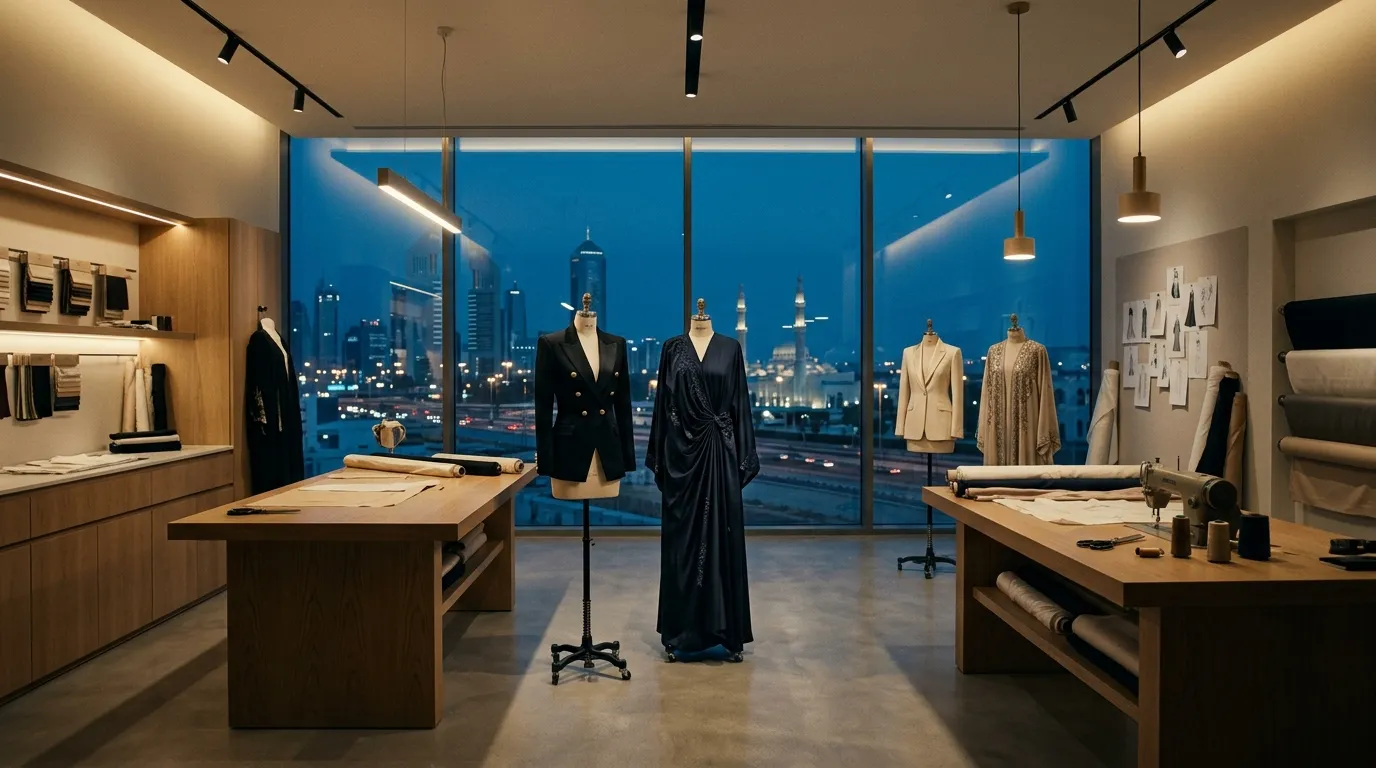
Saudi Arabia Is the Fastest-Growing Fashion Market in the Middle East
The Kingdom's fashion market is valued at approximately $32 billion and growing at 8–12% annually — faster than any other GCC country. This growth is not accidental. It is the direct result of Vision 2030, a national strategy that is systematically opening Saudi Arabia to entertainment, tourism, fashion, and creative industries after decades of restriction.
For fashion brands and manufacturers, Saudi Arabia represents the largest single consumer market in the Gulf: 36 million people, 70% under 35, with one of the highest per-capita fashion spends in the world.
Vision 2030: Why Fashion Is a Strategic Priority
What is Vision 2030 doing for fashion?
Vision 2030, launched in 2016 by Crown Prince Mohammed bin Salman, aims to diversify Saudi Arabia's economy away from oil dependence. Fashion and creative industries are explicitly part of this plan through several mechanisms:
Entertainment and events infrastructure — Saudi Arabia has invested over $60 billion in entertainment since 2019. Events like Riyadh Season (annual, 5+ months of concerts, fashion shows, retail pop-ups), MDLBeast Soundstorm (400,000+ attendees, major fashion and streetwear crossover), Saudi Fashion Week, and AlUla Arts Festival have created entirely new consumer occasions that did not exist five years ago.
Fashion Commission — established under the Ministry of Culture, the Saudi Fashion Commission supports local designers through incubator programmes, grants, and international showcases. Saudi designers have shown at Paris and Milan Fashion Weeks with government backing. The "100 Saudi Brands" programme actively funds and mentors fashion startups.
Tourism — Saudi Arabia issued 27.4 million tourist visas in 2024 and is targeting 100 million visits per year by 2030. Tourism-driven retail in Riyadh, Jeddah, and the NEOM/AlUla mega-projects is creating new demand for fashion retail infrastructure.
Women's workforce participation — female labour force participation has risen from 17% to over 33% since Vision 2030 launched. More women earning means more women spending on fashion, and the cultural relaxation of dress codes has expanded what Saudi women buy and wear in public.
Consumer Demographics
Who is buying fashion in Saudi Arabia?
The Saudi consumer profile is unlike any European market:
- —70% of the population is under 35 — this is a Gen Z and Millennial-dominated market
- —GDP per capita of $30,000+ — high purchasing power, especially in Riyadh, Jeddah, and the Eastern Province
- —Mobile-first shopping — 98% smartphone penetration, 79% social media penetration. Instagram, TikTok, and Snapchat (unusually dominant in Saudi compared to the rest of the world) are the primary discovery channels
- —Brand-conscious but shifting — historically loyal to major European luxury houses, Saudi consumers are increasingly open to independent and regional brands that offer design distinctiveness and cultural relevance
- —E-commerce is booming — Saudi e-commerce fashion sales grew 25%+ year-on-year in 2024–2025, driven by platforms like Noon, Namshi, Ounass, and Styli
What is the size of Saudi Arabia's fashion market?
Saudi Arabia's apparel market is estimated at $32 billion in 2026, making it larger than the UAE, Qatar, and Kuwait combined. The men's fashion segment alone exceeds $10 billion, driven by streetwear culture and the young male demographic. Women's fashion, historically the most constrained by social norms, is the fastest-growing sub-segment as dress code liberalisation continues under Vision 2030.
What Saudi Consumers Actually Wear
The market has two parallel tracks that are increasingly blending:
Modest fashion — Saudi Arabia is the world's largest modest fashion market. Abayas, kaftans, and long-silhouette garments remain core wardrobe items, but the aesthetic has evolved dramatically. Modern modest fashion in Saudi includes structured blazers, wide-leg trousers, oversized shirts, and layered streetwear — all designed for full coverage but with contemporary design language. The global modest fashion market is valued at $300B+, and Saudi Arabia is its centre of gravity.
Streetwear and contemporary — Riyadh and Jeddah have exploded as streetwear markets. A wave of local labels are building cult followings, and international streetwear brands sell aggressively through multi-brand retailers. Heavyweight hoodies, oversized tees, and premium joggers in the 300–500 GSM range are in high demand — particularly during the cooler months (November–March) and for Saudi travellers shopping for their European and Asian trips.
Market Entry: How Brands Are Getting In
How can a fashion brand enter the Saudi market?
E-commerce first is the dominant strategy. Shopify with a Saudi-focused storefront (Arabic language option, SAR pricing, Tabby/Tamara buy-now-pay-later integration) lets brands test demand before committing to physical retail.
Multi-brand retailers — platforms like Ounass (luxury, part of Al Tayer Group), Namshi (contemporary), and Styli (mid-market) offer curated brand partnerships. Getting listed requires strong brand identity, consistent quality, and typically a minimum of 2–3 seasons of proven product.
Pop-ups and events — Riyadh Season alone attracts 15+ million visitors over its run. Fashion pop-ups during Riyadh Season, Jeddah Art Week, and MDLBeast are effective for brand launches and market testing. Costs range from SAR 20,000–80,000 ($5,300–21,300) depending on location and duration.
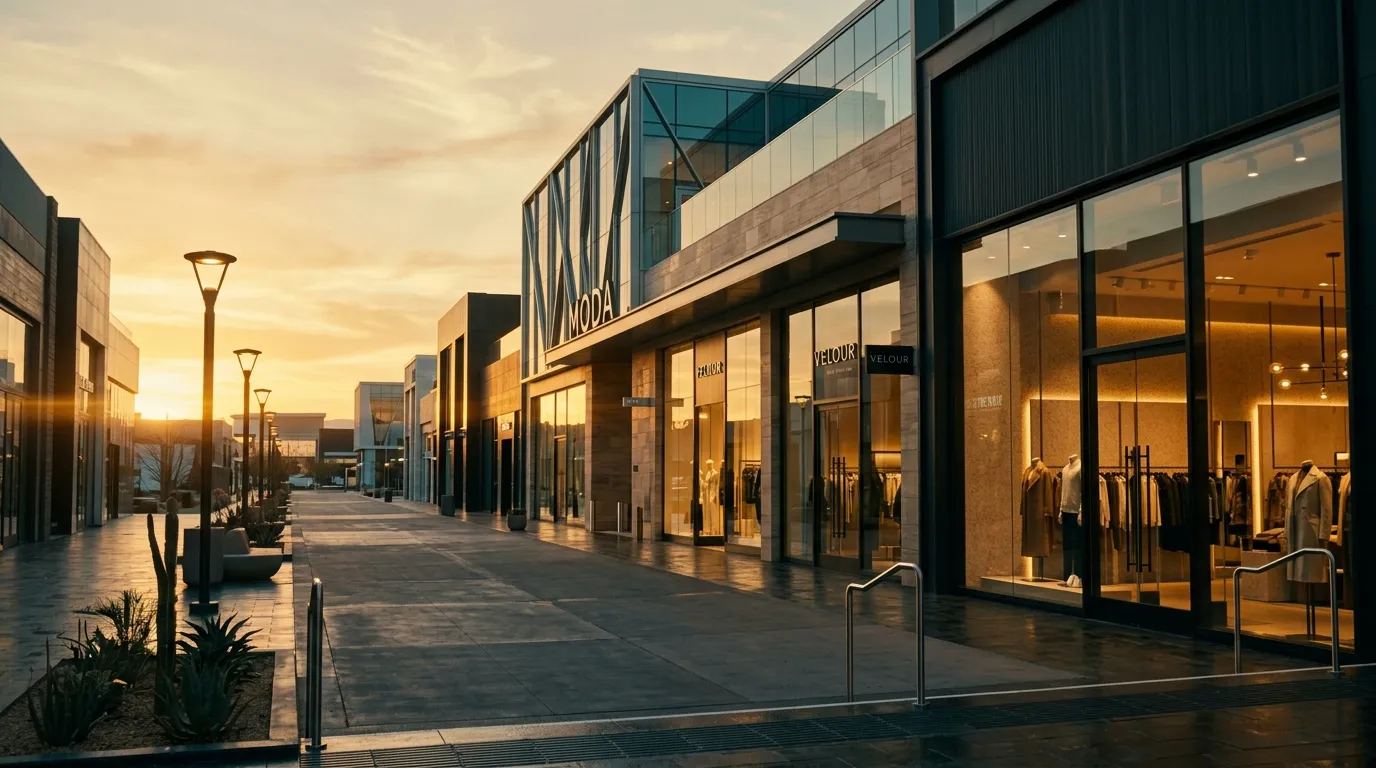
Physical retail — Riyadh and Jeddah malls (Kingdom Centre, Riyadh Park, Red Sea Mall) remain powerful for fashion, but lease costs are high (SAR 3,000–8,000/sqm/year). Most independent brands enter through department store concessions or temporary retail before committing to standalone stores.
Wholesale and distribution — working with a Saudi-based distributor or agent who holds a commercial registration (CR) is the fastest path to market for non-Saudi brands. The distributor handles import clearance, local compliance, and retail relationships.
Opportunities by Category
Which fashion categories are growing fastest in Saudi Arabia?
Premium modest fashion — the gap between mass-market abayas and haute couture is where the opportunity sits. Mid-premium modest fashion (SAR 300–1,000 per piece) with European fabrics, clean design, and sustainability credentials is underserved.
Streetwear and athleisure — fuelled by the under-35 demographic and event culture. Heavyweight French terry, premium jersey, and fleece garments with distinctive branding. Saudi streetwear consumers will pay SAR 400–800 for a hoodie if the brand story and quality justify it.
Activewear — driven by Vision 2030's investment in sports (Saudi Pro League football, Formula 1 in Jeddah, LIV Golf, WWE, UFC). Female-focused activewear is a particularly fast-growing segment as women's sports participation increases.
Sustainable fashion — early stage but growing. Saudi Gen Z consumers are increasingly aware of fast fashion's environmental impact. Brands that can demonstrate genuine sustainability practices — certified fabrics, transparent supply chains, European manufacturing — have a positioning advantage.
Manufacturing for the Saudi Market
Where should brands manufacture for Saudi Arabia?
Saudi Arabia has minimal domestic garment manufacturing. Almost all fashion product is imported. The primary manufacturing origins for Saudi-market fashion are:
- —China/Bangladesh — dominates the mass market (80%+ of imported clothing by volume). Lowest cost but "Made in China" labels limit premium positioning
- —Turkey — strong mid-market presence, particularly in denim, woven shirts, and outerwear. Geographic proximity (3–4 hour flight to Riyadh) is an advantage. Read our Portugal vs Turkey for GCC brands comparison
- —Portugal — growing share of the premium segment. "Made in Portugal" carries European prestige, and Portuguese factories specialise in the knitwear categories (hoodies, sweatshirts, heavyweight tees, joggers) that are driving Saudi streetwear demand
For brands targeting the SAR 200–800 price bracket, the manufacturing origin directly impacts consumer perception. A hoodie labelled "Made in Portugal" in a Riyadh boutique commands a 30–40% price premium over an identical garment labelled "Made in Bangladesh."
At White Cotton, we produce for brands selling across the GCC — premium cut-and-sew jersey and fleece garments in 300–1100 GSM weights, with MOQs from 75 pieces. European manufacturing with air freight to Dubai/Riyadh in 4–5 days makes us a practical partner for brands that need premium positioning without the 8–12 week Asian supply chain.
Import and Regulatory Considerations
What are the customs and compliance requirements for Saudi Arabia?
- —Customs duty: 5% on imported clothing (aligned with GCC Common External Tariff)
- —VAT: 15% on domestic sales (higher than UAE's 5% — factor this into your pricing)
- —SASO compliance: the Saudi Standards, Metrology and Quality Organization requires that textiles meet specific safety and labelling standards. Labels must include fibre composition, country of origin, care instructions, and importer details — in Arabic
- —SFDA oversight: the Saudi Food and Drug Authority regulates certain textile categories (children's clothing, intimate apparel) for safety testing
- —SABER platform: Saudi Arabia's product registration system. Importers must register products on SABER and obtain a Certificate of Conformity (CoC) before customs clearance
Risks and Challenges
What are the risks of entering the Saudi market?
Cultural missteps — Saudi Arabia has liberalised rapidly, but sensitivity to local norms remains important. Marketing imagery, influencer partnerships, and even colour choices require cultural awareness. Regional variation matters: Jeddah is more liberal than Riyadh, which is more liberal than smaller cities. Working with a local partner or consultant for market entry is strongly recommended.
Payment and cash flow — Saudi B2B payment culture can involve extended terms (60–90 days). Retail and e-commerce are faster, but wholesale and distribution deals require capital patience.
Competition from luxury houses — Saudi consumers have deep loyalty to established European luxury brands. Independent brands must differentiate on design, story, or community — not just quality.
Logistics complexity — shipping to Saudi Arabia is straightforward, but returns management, local warehousing, and last-mile delivery require local infrastructure or a 3PL partner. Air freight from Portugal to Riyadh takes 4–5 days; sea freight via Jeddah Islamic Port takes 14–18 days.
Seasonality — summer temperatures exceed 45C across most of the Kingdom. Lightweight fabrics dominate April–October. Hoodie season is October–March. Ramadan timing shifts annually and is the biggest commercial moment — plan collections 4–6 months ahead.
The Opportunity Is Real — and Time-Sensitive
Saudi Arabia's fashion market transformation is a multi-decade structural shift, not a temporary boom. But the window for early-mover advantage is narrowing. Brands that establish presence now — while the market is still developing its independent fashion identity — will have brand recognition advantages that latecomers cannot replicate.
The practical starting point: develop a collection that respects the market's aesthetic (modest-compatible silhouettes, premium fabrics, climate-appropriate weights), manufacture at a quality level that supports premium pricing, and enter through e-commerce or events before committing to physical retail.
For brands considering European manufacturing as part of their Saudi market strategy, read our complete logistics guide for shipping to the Gulf, our Dubai brand setup guide, or explore our production capabilities and pricing.

Pedro Carreira
Founder of White Cotton, a textile manufacturer in Barcelos, Portugal. Producing custom clothing collections for brands across 15+ countries.
Continue Reading
Dubai Fashion Market 2026 — Opportunities for Emerging Brands
![The Problem with Cheap Uniforms: Why Dubai Companies Are Going European [2026]](/_next/image?url=%2Fimages%2Fgenerated%2Fblog%2Fcheap-uniforms-problem-dubai.webp&w=1920&q=75)
The Problem with Cheap Uniforms: Why Dubai Companies Are Going European [2026]
![Why Dubai's Smartest Companies Are Switching to European-Made Team Wear [2026]](/_next/image?url=%2Fimages%2Fgenerated%2Fblog%2Fwhy-european-made-team-wear-dubai.webp&w=1920&q=75)
Why Dubai's Smartest Companies Are Switching to European-Made Team Wear [2026]
Corporate Clothing for Dubai Companies — Full Guide (2026)
![Corporate Gifting with Clothing — Why European-Made Stands Out in Dubai [2026]](/_next/image?url=%2Fimages%2Fgenerated%2Fblog%2Fcorporate-gifting-clothing-dubai.webp&w=1920&q=75)