Dubai Fashion Market 2026 — Opportunities for Emerging Brands
Dubai fashion ecosystem in 2026: key retail locations, consumer demographics, streetwear scene, modest fashion, e-commerce growth, and market entry strategies.
 Pedro Carreira··10 min read
Dubai's Fashion Market in 2026
Dubai is the commercial gateway to the GCC's 60 million consumers, with a fashion market shaped by extreme purchasing power, a young demographic skew, and an openness to new brands that established European markets no longer offer. The UAE apparel market is projected to reach over $12 billion by 2029 (Statista), and Dubai accounts for the majority of that. Per-capita fashion spending in the UAE exceeds $1,600 annually (McKinsey) — among the highest in the world.
What makes Dubai different from other luxury markets is velocity. Brands can go from Instagram launch to Dubai Mall pop-up within months. The regulatory framework is fast, the logistics infrastructure is world-class, and consumers actively seek out new labels rather than defaulting to legacy houses.
This guide maps the ecosystem — retail, e-commerce, consumer segments, and entry strategies — for brand founders evaluating Dubai as their launch or expansion market.
The Physical Retail Landscape
Dubai's retail ecosystem operates across distinct tiers, each with different brand requirements and consumer profiles.
Where do fashion brands sell in Dubai?
Dubai Mall: 1,200+ retail outlets, 80 million annual visitors. The world's most-visited shopping destination. Getting a standalone store here requires proven sell-through and significant capital — most emerging brands enter through multi-brand concept stores like S*uce, Level Shoes (for footwear), or pop-up programs run by the mall's management. Rent for a small retail unit starts at AED 250,000+/year.
City Walk: Meraas-developed outdoor retail district in Al Wasl. More curated than Dubai Mall, with a focus on contemporary and streetwear brands. Brands like The Giving Movement and Amongst Few have retail presence here. Emerging brands access City Walk through seasonal pop-up licences (AED 15,000–40,000 for a weekend activation).
JBR (Jumeirah Beach Residence): Tourism-heavy, casual, and resort-oriented. Strong foot traffic but heavily seasonal. Works for resort-adjacent brands and swimwear. Not ideal for premium streetwear.
Alserkal Avenue: Dubai's arts and culture district in Al Quoz. Home to galleries, studios, and concept stores. Lower rents, creative credibility, and a community that values independent brands. Emerging brands with a strong aesthetic and cultural positioning launch here first. Retail spaces from AED 80,000/year.
Dubai Design District (d3): The fashion industry's operational hub — offices, studios, and showrooms rather than consumer-facing retail. Over 500 creative businesses, Arab Fashion Week, and direct access to buyers. Best for brands that want to be where the industry works, not just where consumers shop.
Consumer Demographics
Dubai's consumer base is unlike any other fashion market in the world because of its demographic composition.
Who buys fashion in Dubai?
Expatriates make up 85% of the UAE population. The fashion consumer in Dubai is not a single persona — it is a mosaic. South Asian professionals, European executives, Arab nationals, African entrepreneurs, and East Asian students all shop in the same malls with radically different preferences.
Key consumer segments for emerging brands:
- —Emirati nationals (15% of population, disproportionate spending power): Highest per-capita spend on fashion. Strong preference for luxury, premium fabrics, and brands with cultural relevance. Modest fashion is standard, not a niche. Brand loyalty is high once established.
- —Arab expatriates (Saudi, Lebanese, Egyptian, Jordanian): Similar purchasing behaviour to nationals but more price-conscious. Strong Instagram-driven discovery. The largest audience for contemporary modest fashion.
- —South Asian professionals: The UAE's largest demographic group. Wide income range. Price-sensitive at the base but affluent at the top. Streetwear and athleisure are growth categories.
- —Western expatriates: European and American consumers who bring brand preferences from home but actively adopt local brands. High e-commerce usage. The easiest segment to reach through Instagram and Shopify.
- —Tourists (14+ million international visitors annually): Seasonal spending spikes during Dubai Shopping Festival (January), Eid, and winter season (October–March). Impulse purchase-oriented.
Age distribution matters: The UAE has one of the youngest populations in the world. The median age is 32, and over 60% of the population is between 18 and 44 — the core fashion-buying demographic.
The E-Commerce Landscape
E-commerce in the UAE fashion market has grown at 15–20% annually since 2022. Key platforms for emerging brands:
Shopify: The dominant platform for D2C fashion brands in the UAE. Integrates with local payment processors (Tabby for buy-now-pay-later, which accounts for 20–30% of fashion e-commerce transactions in the UAE). Free zone e-commerce licences allow you to operate a Shopify store legally. Starting a brand with Shopify is the lowest-friction entry point.
Noon.com: The largest regional marketplace. Commission rates of 15–22% depending on category. Good for volume and discovery but margins are thin. Best for brands that have already proven product-market fit and want to expand reach.
Namshi (now part of Noon Group): Fashion-focused marketplace. Curated, with brand approval required. Lower traffic than Noon but higher conversion rates for fashion. Commission 18–25%.
Ounass: Al Tayer Group's luxury e-commerce platform. Positions itself as the Net-a-Porter of the Middle East. Selective — accepts only premium and luxury brands. If your brand sells at AED 500+ price points with a strong visual identity, Ounass is the aspirational channel.
Instagram Shopping: Functional in the UAE and heavily used. Direct checkout through Instagram is less adopted than in the US, but product tagging drives significant traffic to Shopify stores. Plan for 40–50% of your website traffic to come from Instagram.
The Streetwear Scene
Dubai has evolved from a streetwear consumer market into a streetwear creation market. Several homegrown brands have achieved regional and international recognition.
Amongst Few: One of Dubai's original streetwear brands. Retail location in City Walk. Known for collaborative drops and limited-edition releases. Demonstrates that Dubai-based streetwear can command premium pricing (AED 200–600 per piece).
The Giving Movement: Launched in Dubai, now one of the GCC's fastest-growing athleisure brands. Known for recycled-material basics and a give-back model. Retail in Dubai Mall, City Walk, and expanding across GCC.
Shabab International: Youth-focused streetwear with Arabic typography and Middle Eastern cultural references. Represents the growing appetite for culturally rooted (not imported) streetwear aesthetics.
SOLE DXB: Dubai's premier street culture festival. Combines music, fashion, art, and sneaker culture. Operates as a launchpad for emerging brands — pop-up booths, brand activations, and direct consumer engagement. If you are entering the Dubai streetwear market, SOLE DXB is the single most impactful event to participate in.
The streetwear consumer in Dubai skews male, 18–30, and is heavily influenced by social media. Oversized silhouettes, heavyweight fabrics, and premium finishes (puff print, embroidery, custom woven labels) justify higher price points. Oversized streetwear manufacturing is one of the strongest product-market fits for brands manufacturing in Portugal and selling into Dubai.
The Modest Fashion Market
Modest fashion in the UAE is not a sub-category — it is a dominant market segment. The broader GCC fashion market is valued at approximately $50 billion (per McKinsey), with modest fashion representing a major share — and Dubai is its commercial centre.
What sells: Abayas (from traditional black to contemporary colours and cuts), modest evening wear, long tunics over wide-leg trousers, layering pieces, and modest athleisure. Modest bridal wear is a high-margin category.
What is changing: Younger GCC consumers are redefining modesty — moving away from uniform black abayas toward coloured, patterned, and structure-forward modest pieces. Portuguese-made linen and organic cotton pieces fit perfectly into this shift toward premium, breathable modest fashion.
Manufacturing considerations: Modest fashion requires specific pattern-making expertise — longer silhouettes, wider sleeves, higher necklines, and layering compatibility. Not every factory handles these requirements well. Read our full modest fashion manufacturing guide for fabric selection, pattern-making details, and production timelines.
GCC consumers place significant value on manufacturing origin. "Made in Portugal" or "Made in Italy" on a label commands a 15–30% price premium over "Made in Turkey" and 40–60% over "Made in China" for the same consumer segment.
This is not abstract — it directly affects your margin structure. A hoodie manufactured in Portugal at €18/unit that retails at AED 350 ($95) in Dubai achieves a 4–5x markup. The same hoodie made in China at €8/unit would retail at AED 200–250 due to consumer perception, achieving only a 5–6x markup on a lower absolute margin.
For emerging brands, the "Made in Europe" positioning also opens doors to the premium retail channels (Ounass, S*uce, high-end concept stores) that serve as brand validators in the Dubai market.
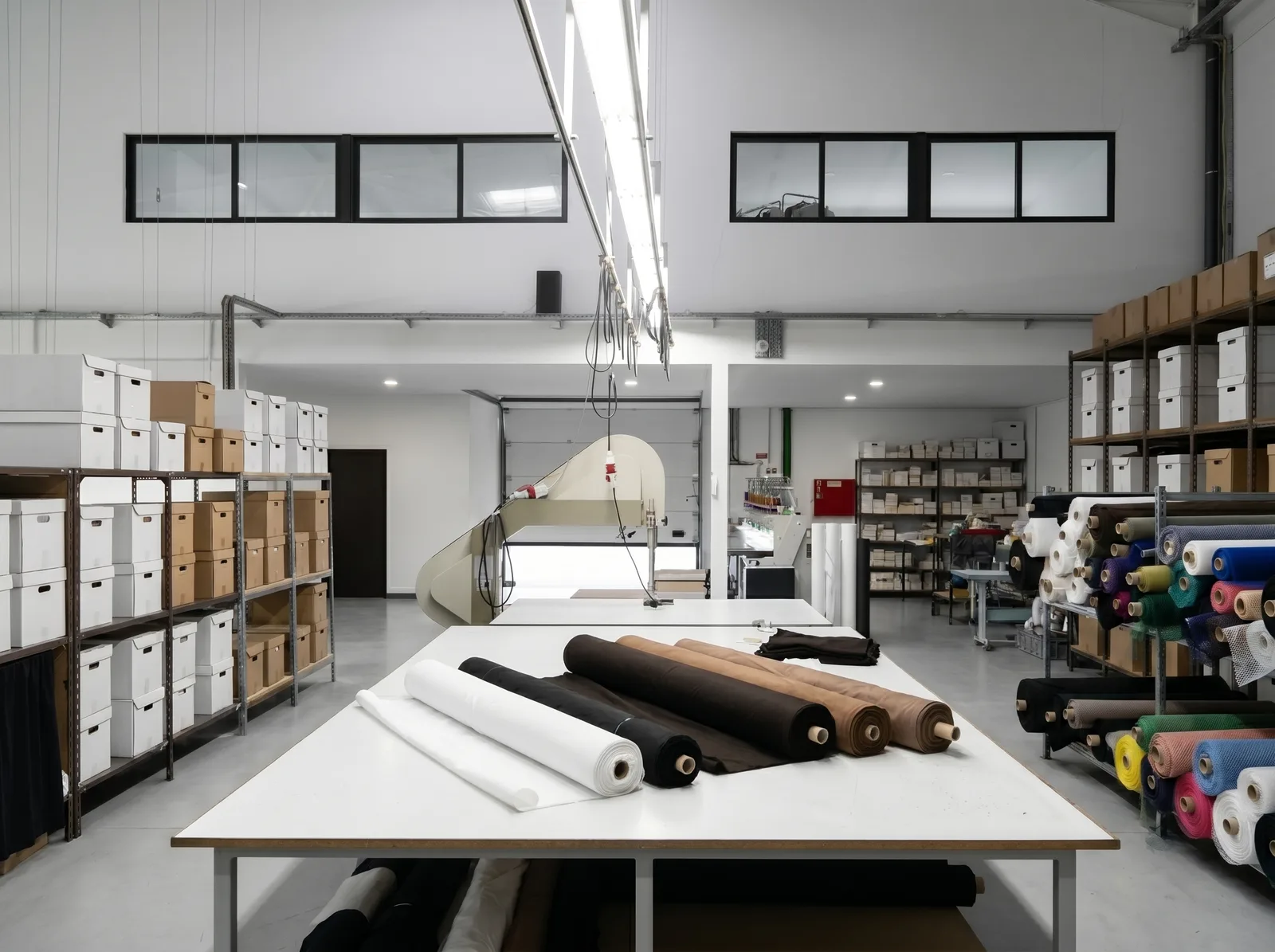
White Cotton manufactures from Barcelos, Portugal — one of Europe's oldest textile regions. For Dubai brands, this means EU quality standards, OEKO-TEX and GOTS certified fabric sourcing, and a "Made in Portugal" label that resonates in Gulf retail. See what we offer for Dubai brands.
Market Entry Strategies
How should an emerging brand enter the Dubai fashion market?
Strategy 1: Digital-first (AED 30,000–60,000 launch budget)
Start with a free zone e-commerce licence, Shopify store, and Instagram marketing. Manufacture 3–5 hero styles with low MOQs (75–100 units per style). Ship by air freight from Portugal to a 3PL in Jebel Ali. Test product-market fit before committing to physical retail. This is how 80% of successful Dubai fashion brands launched in 2024–2026.
Strategy 2: Pop-up validation (AED 60,000–120,000)
Digital-first plus 2–3 pop-up activations per year at SOLE DXB, City Walk markets, or d3 events. Gives you direct consumer feedback and Instagram content. Pop-up costs range from AED 5,000 for a weekend market stall to AED 40,000 for a branded SOLE DXB booth.
Strategy 3: Wholesale + digital (AED 100,000–200,000)
Approach multi-brand retailers (S*uce, concept stores in Alserkal Avenue) with a proven collection. Requires a line sheet, lookbook, and the ability to fulfil wholesale orders at scale. Wholesale margins are tighter (40–50% of retail) but provide credibility and store-level exposure.
Strategy 4: Direct retail (AED 300,000+)
Own-store or concession in a mall or retail district. Only viable for brands with proven sell-through, significant capital, and an existing customer base. This is a year-two or year-three move, not a launch strategy.
Timing Your Market Entry
Dubai's fashion calendar has distinct peaks:
- —September–October: New season launch window. Consumers return from summer travel, new collections drop
- —November–December: Peak retail season. National Day sales, cooler weather, tourism picks up
- —January: Dubai Shopping Festival — the largest retail event in the Middle East. Massive foot traffic and consumer spending
- —Ramadan (varies): The single largest fashion purchasing period for the GCC modest fashion market. Plan Ramadan collections 6 months in advance
- —Eid al-Fitr: Celebration wear, gift purchases, highest per-transaction spending of the year
Avoid launching in June–August — much of the population travels abroad during peak summer, and retail traffic drops significantly.
Getting Started
Dubai's fashion market rewards brands that combine quality product with smart positioning. The infrastructure exists — fast licensing, world-class logistics, an audience that discovers through social media and buys premium.
The manufacturing side needs to match the ambition. Request a quote for your Dubai collection — we offer MOQs from 75 units, a quotation within a few days, and direct shipping to Dubai with full export documentation. Related reading: how to start a clothing brand in Dubai, Portugal vs Turkey for GCC brands, Saudi fashion market analysis.

Pedro Carreira
Founder of White Cotton, a textile manufacturer in Barcelos, Portugal. Producing custom clothing collections for brands across 15+ countries.
Continue Reading
![The Problem with Cheap Uniforms: Why Dubai Companies Are Going European [2026]](/_next/image?url=%2Fimages%2Fgenerated%2Fblog%2Fcheap-uniforms-problem-dubai.webp&w=1920&q=75)
The Problem with Cheap Uniforms: Why Dubai Companies Are Going European [2026]
![Why Dubai's Smartest Companies Are Switching to European-Made Team Wear [2026]](/_next/image?url=%2Fimages%2Fgenerated%2Fblog%2Fwhy-european-made-team-wear-dubai.webp&w=1920&q=75)
Why Dubai's Smartest Companies Are Switching to European-Made Team Wear [2026]
Corporate Clothing for Dubai Companies — Full Guide (2026)
![Corporate Gifting with Clothing — Why European-Made Stands Out in Dubai [2026]](/_next/image?url=%2Fimages%2Fgenerated%2Fblog%2Fcorporate-gifting-clothing-dubai.webp&w=1920&q=75)
Corporate Gifting with Clothing — Why European-Made Stands Out in Dubai [2026]