Portuguese Textile Manufacturing
Made in Portugal
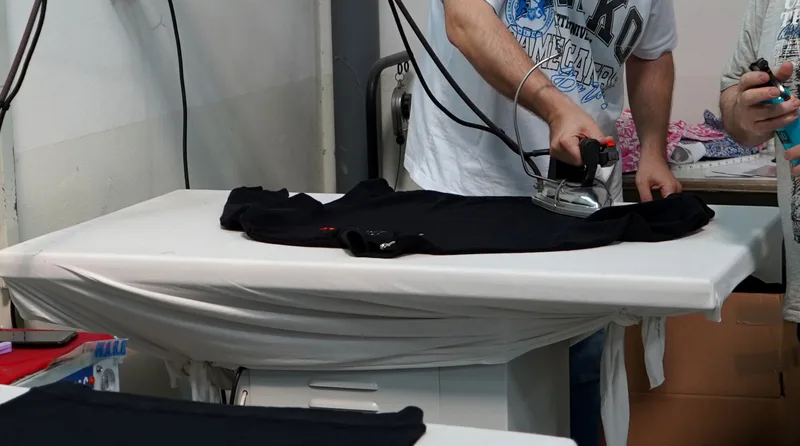
Portugal is Europe's leading destination for quality garment manufacturing. White Cotton operates from Barcelos, where over 300 textile companies operate within a 30 km radius — one of the densest garment-production clusters on the continent. The region combines centuries of craft with modern production standards, ethical labor practices, and a commitment to sustainability.
Heritage
A Centuries-Old Textile Heritage
Portugal's textile tradition stretches back to the Middle Ages, when linen and wool production formed the backbone of the northern economy. The Minho region — encompassing Braga, Guimarães, Barcelos, and Famalicão — developed into one of Europe's most concentrated textile corridors, with skills and knowledge passed down through families for generations.
During the 18th and 19th centuries, cotton imports from Brazil transformed the industry. Factories multiplied along the rivers of the Minho, harnessing water power for spinning and weaving. By the mid-20th century, Portugal had become one of Europe's largest textile exporters — a position it maintains today, but now focused on quality over volume.
The modern Portuguese textile industry underwent a profound transformation in the 2000s. As low-cost production moved to Asia, Portugal pivoted toward premium manufacturing — investing in technology, sustainability certifications, and design capabilities. Today, the country produces for many of the world's most demanding fashion houses, from luxury brands to innovative streetwear labels.
Portugal is now firmly established as the #1 European destination for quality-conscious brands seeking ethical, transparent, and flexible manufacturing — a reputation built on centuries of textile expertise and decades of strategic modernization.
Advantages
Why Brands Choose Portugal
European Quality Standards
All production complies with EU regulations — strict worker protections, environmental compliance, REACH chemical safety, and full traceability from fiber to finished garment.
Skilled Workforce
Generations of textile expertise, specialized technical schools, and master pattern makers and seamstresses who understand construction, fit, and finishing at the highest level.
Competitive Pricing
30-50% less expensive than Italy or France for comparable quality. Portugal delivers premium European manufacturing without the premium European price tag.
Proximity & Logistics
2-5 day shipping to any EU destination. Same timezone as the UK, one hour behind Central Europe. Porto airport is 30 minutes from the main textile clusters.
Sustainability Focus
OEKO-TEX, GOTS, BCI, and GRS certifications are widely available. Short European supply chains reduce transport emissions. EU environmental regulations are strictly enforced.
Transparency & Communication
English-speaking commercial teams, factory visits welcome at any time, no intermediaries or agents. You deal directly with the people making your clothes.
Comparison
Portugal vs China, Turkey & Other Manufacturing Hubs
The global shift from China to nearshore manufacturing has accelerated since 2020. Brands that once prioritized the lowest unit cost are now factoring in total cost of ownership — including shipping times, import duties, quality control trips, intellectual property risks, and the reputational cost of opaque supply chains. Portugal answers every one of these concerns: lead times of 4-6 weeks (vs 8-16 from China), no EU import duties, easy factory visits from any European city, and full legal protection under EU trade law.
Turkey is Portugal's closest competitor for European manufacturing. Both countries offer skilled workforces and competitive pricing, but Portugal holds key advantages: full EU membership (meaning no customs paperwork or duties for EU buyers), more stable currency, stronger intellectual property protections, and consistently higher scores on labor rights indices. For brands selling primarily into the EU market, manufacturing in Portugal eliminates an entire layer of trade complexity.
Compared to Eastern European alternatives like Romania or Bulgaria, Portugal offers a more mature textile ecosystem — with deeper supplier networks, more specialized finishing capabilities, and a longer track record producing for international fashion brands. The concentration of expertise in northern Portugal is difficult to replicate elsewhere in Europe.
Our Region
Barcelos — Where White Cotton Calls Home
Barcelos sits at the heart of Portugal's textile belt, in the Braga district of the Minho region. The municipality and its surroundings form one of the country's largest concentrations of garment factories, fabric suppliers, and textile service providers — a complete ecosystem where every stage of production happens within a short drive.
Getting here is easy: Porto's Francisco Sá Carneiro International Airport is just 40 minutes away, with direct flights from most European capitals. The region's infrastructure supports efficient logistics — finished goods reach any EU destination within 2-5 business days by road, with sea freight available from the Port of Leixões for larger shipments.
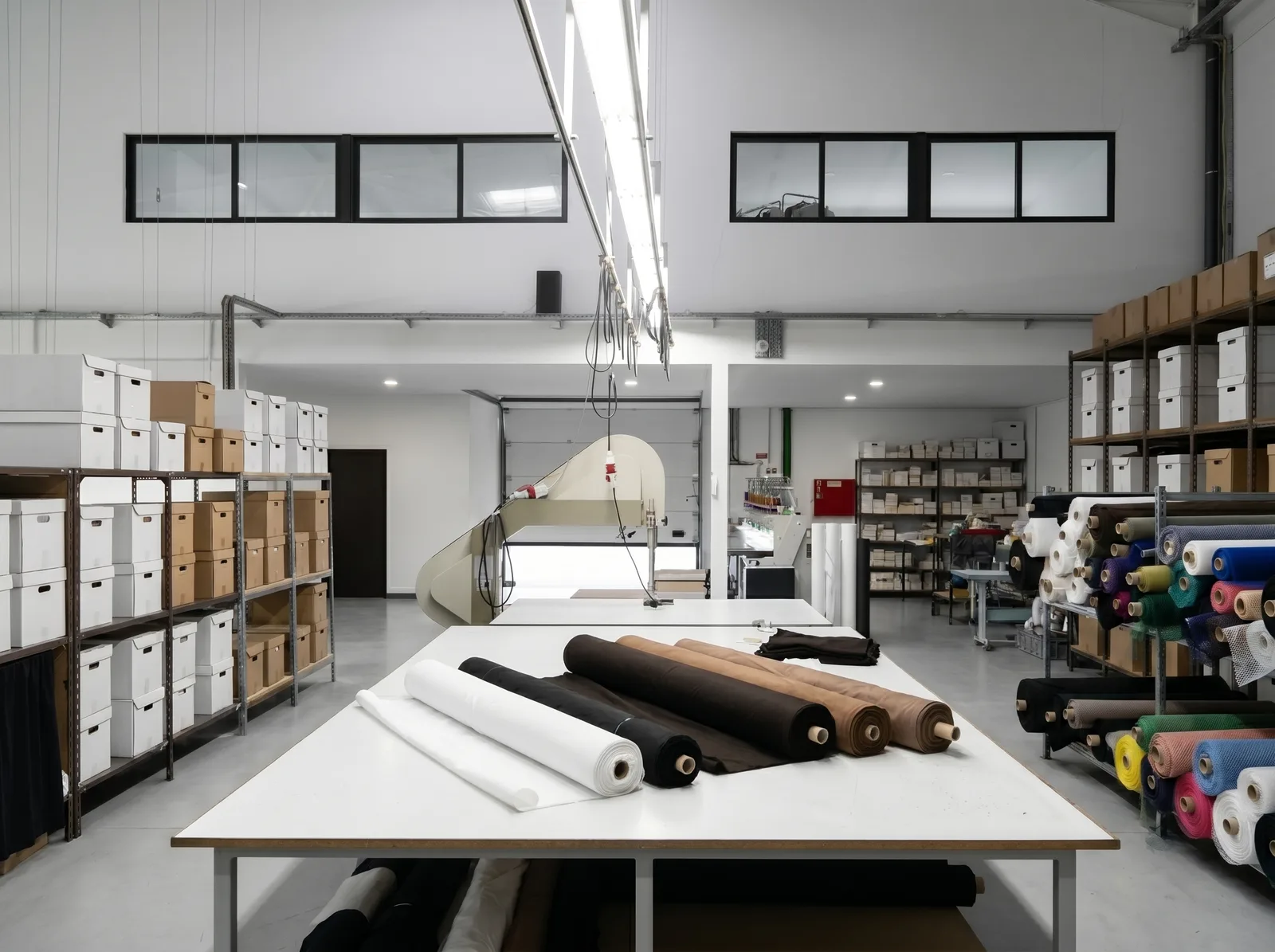
White Cotton operates from Rua Industrial do Corujo 10, 4750-784 Lijó, Barcelos — in the heart of this industrial cluster. Our location gives us immediate access to the region's network of fabric mills, dye houses, embroidery specialists, and packaging suppliers, enabling fast turnarounds and flexible production runs.
Production
Our Factory
Address
Rua Industrial do Corujo 10, 4750-784 Lijó, Barcelos, Portugal
Certifications
OEKO-TEX Standard 100, GOTS Organic Cotton
Minimum Order
50 units per style per color
Product Range
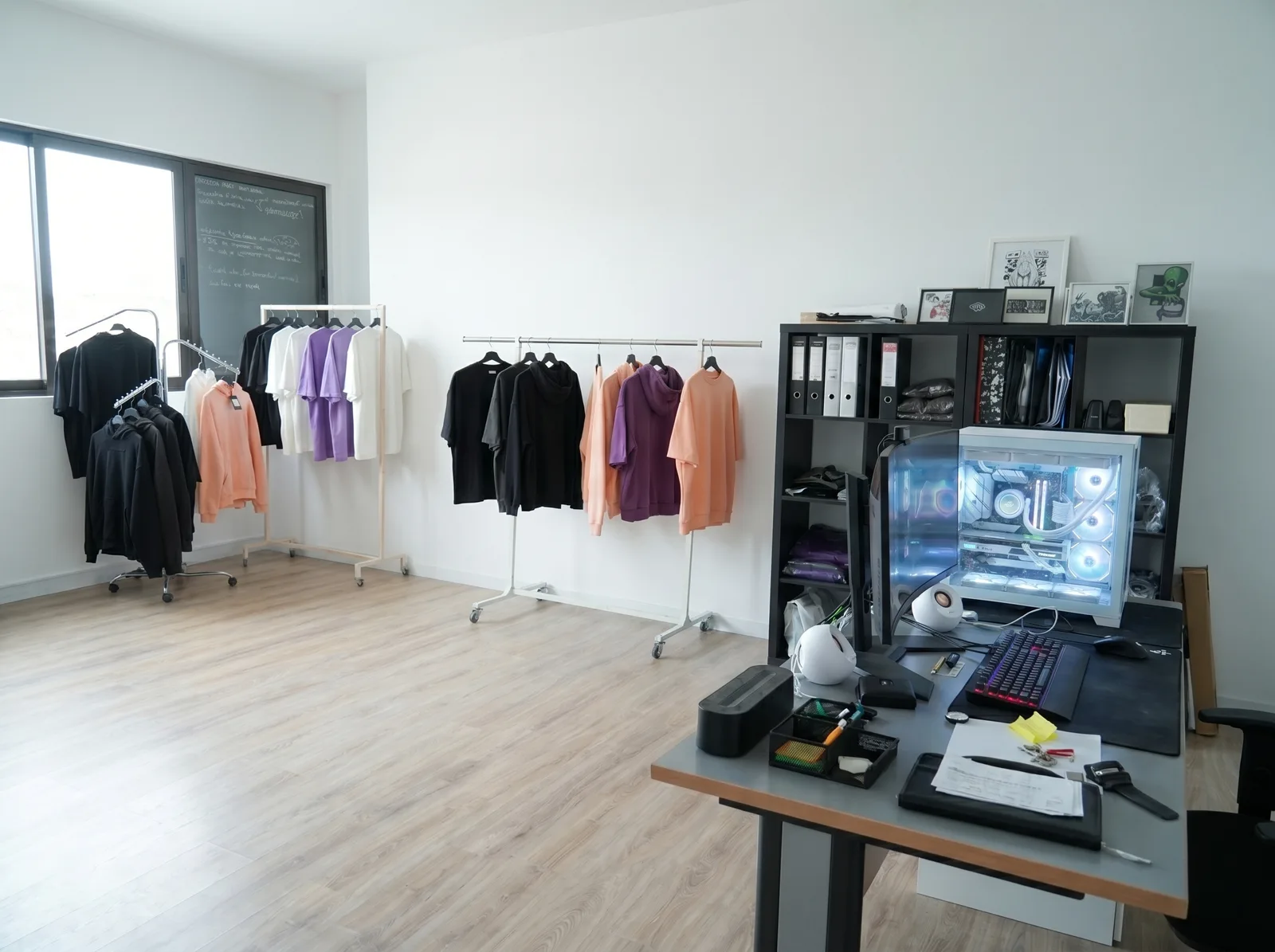
38+ garment styles — t-shirts, hoodies, polos, jackets, trousers, shorts, dresses, and more
Decoration
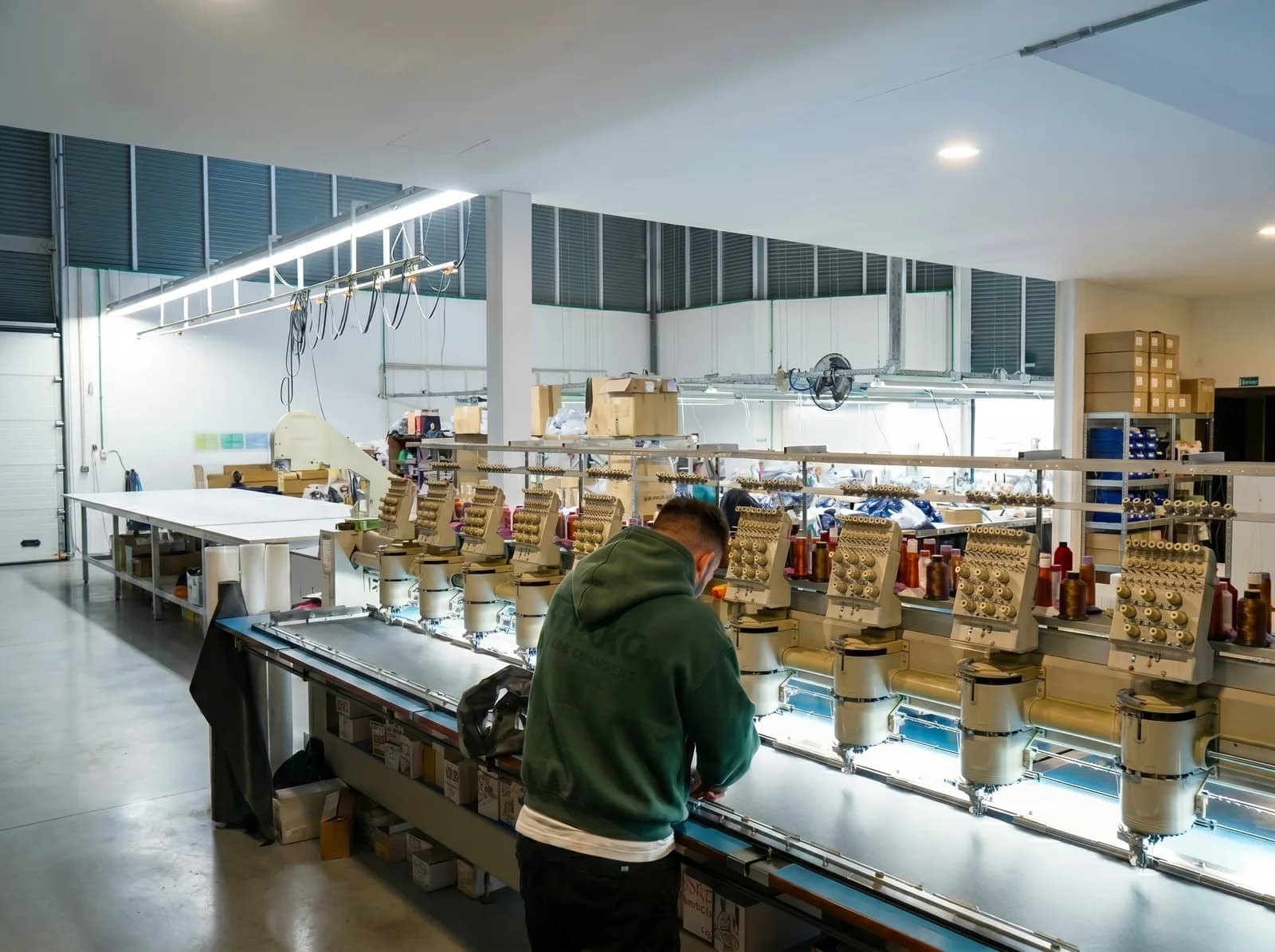
Embroidery, screen printing, DTG, DTF, sublimation, heat transfer
Capabilities
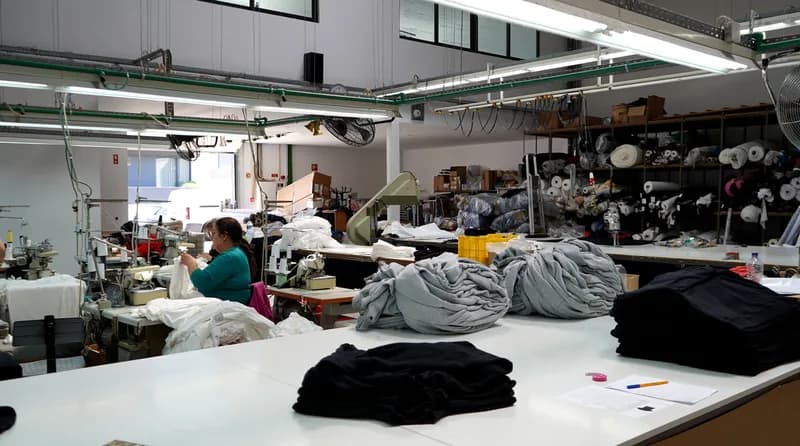
Full cut & sew manufacturing, pattern making, grading, sampling, fabric sourcing, custom labeling, packaging, and worldwide shipping
Common Questions
Frequently Asked
Why is Portugal a leading textile manufacturer?
Portugal has been a textile powerhouse for centuries, with deep expertise in cotton, linen, and technical fabrics. The country combines EU-standard labor laws, advanced machinery, skilled artisans, and competitive pricing — making it the go-to manufacturing destination for quality-conscious European and international brands.
What makes Barcelos special for garment production?
Barcelos, in the Braga district of northern Portugal, is one of the country's largest textile clusters. The region concentrates hundreds of factories, fabric mills, dyeing houses, and finishing specialists within a small radius — enabling fast turnarounds, easy supplier coordination, and deep local expertise passed down through generations.
How does Portuguese manufacturing compare to China?
Portugal offers significantly shorter lead times (4-6 weeks vs 8-16 weeks), much lower minimum order quantities (as low as 50 units vs 500-1000+), full transparency with factory visits, EU compliance on labor and environmental standards, and no import duties for European buyers. While unit costs are higher, the total cost of ownership — factoring in shipping, duties, quality control, and flexibility — is often comparable.
What certifications do Portuguese factories hold?
Most established Portuguese factories hold OEKO-TEX Standard 100 certification (tested for harmful substances), with many also certified for GOTS (organic cotton), BCI (Better Cotton Initiative), and GRS (Global Recycled Standard). EU regulations ensure compliance with REACH chemical standards, and factories operate under strict European labor and environmental laws.
Is Portugal more expensive than Turkey for clothing manufacturing?
Portugal and Turkey are competitively priced for mid-to-premium garments. Portugal tends to be 10-20% more expensive on basic items, but offers advantages in EU compliance (no customs for EU buyers), payment security, intellectual property protection, and consistent quality. For brands selling into the EU market, Portugal often proves more cost-effective when factoring in logistics and duties.
How do I find a reliable factory in Portugal?
The best approach is to contact factories directly — most Portuguese manufacturers have English-speaking commercial teams and welcome factory visits. Look for factories with relevant certifications (OEKO-TEX, GOTS), ask for references from existing clients, and start with a sample order before committing to production. White Cotton offers MOQs as low as 50 units, making it easy to test before scaling.
Manufacture Your Brand in Portugal