Portugal vs India for Clothing Manufacturing: What the Numbers Say [2026]
Portugal vs India: real cost tables, lead times, and quality compared by a Portuguese factory owner. Landed-cost math for both countries.
 Pedro Carreira··15 min read
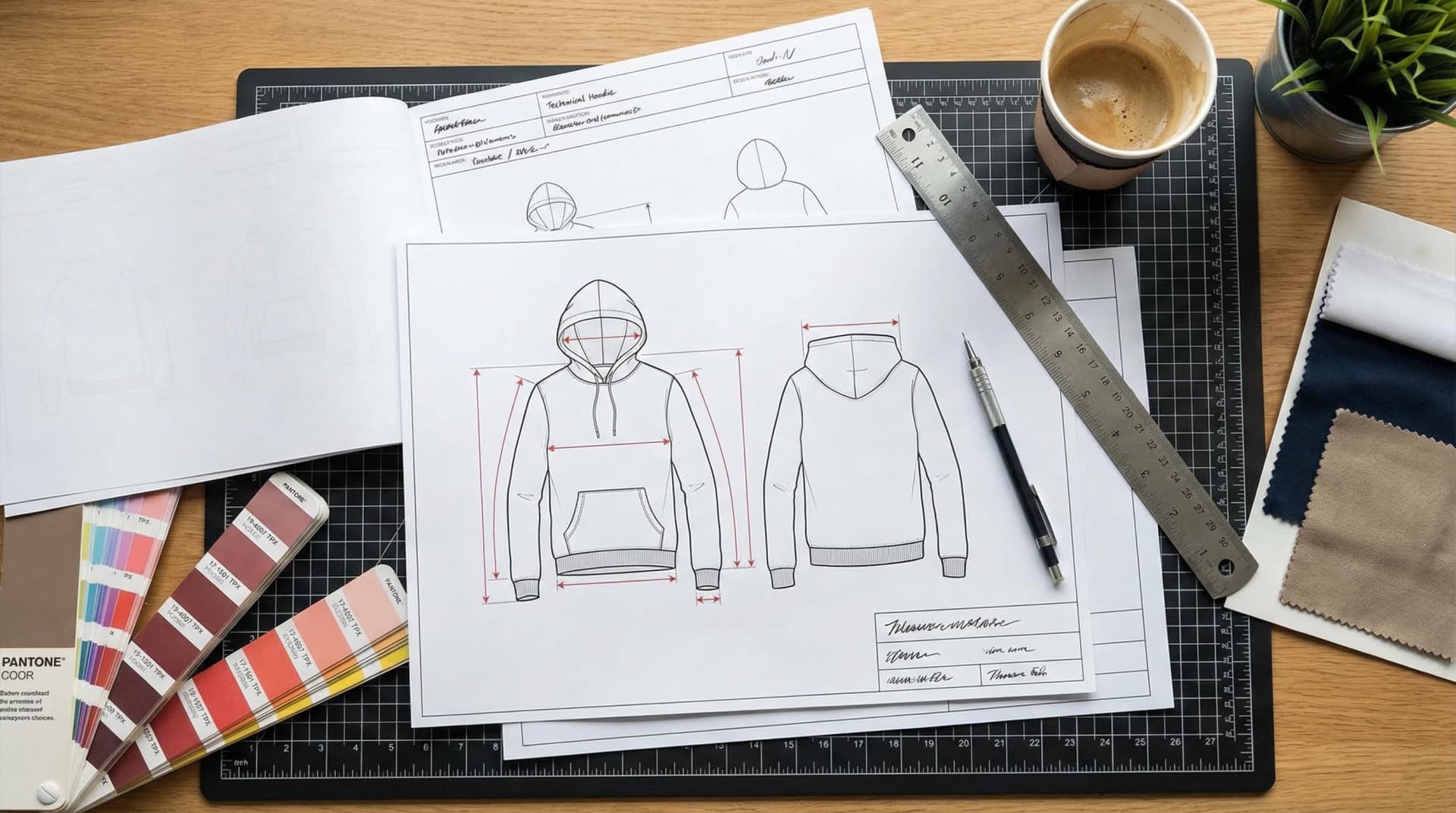
![Portugal vs India for Clothing Manufacturing: What the Numbers Say [2026]](/_next/image?url=%2Fimages%2Fgenerated%2Fblog%2Fportugal-vs-india-manufacturing.webp&w=1920&q=75)
Portugal vs India: Two Manufacturing Giants, Very Different Strengths
The Portugal vs India manufacturing debate is not as simple as picking the cheaper option. These two countries sit at different ends of the spectrum — different scales, different specialties, different price points. But for a growing number of brands building collections that include both knit basics and embellished pieces, the question is real: which country, or which combination of both?
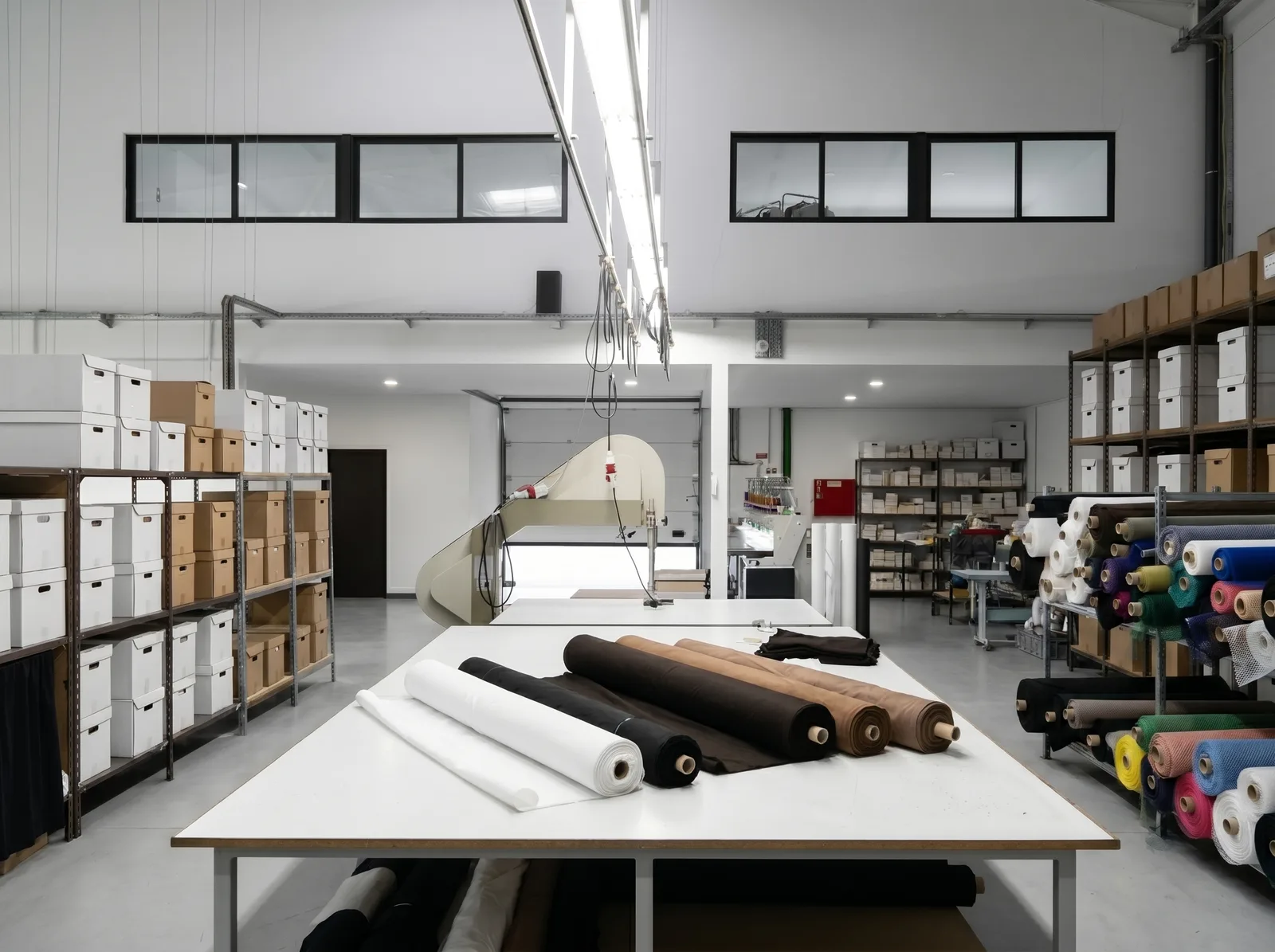
I run a factory in Barcelos, Portugal. We produce cut-and-sew cotton jersey and fleece garments — hoodies, sweatshirts, joggers, tees. I am not going to pretend India is not good at what it does. Indian manufacturing has genuine advantages that Portuguese factories cannot replicate. The honest answer, as with most manufacturing decisions, is that it depends on what you are making.
This comparison uses real numbers from both sides. Where I cite Indian costs, they come from industry data and from what our clients report when they share quotes from Indian suppliers.
Cost Comparison: Portugal vs India
Labour
This is where the gap is widest.
- —India: €3-8 per hour depending on region, factory type, and skill level. Tirupur (the "T-shirt capital") and Noida tend to be on the lower end. Bangalore and Mumbai command higher rates for skilled work
- —Portugal: €8-15 per hour. EU-regulated wages, social security contributions, and mandatory benefits included
India is cheaper, but not as cheap as Bangladesh (€1-3/hour). Indian labour costs have been rising steadily, and skilled embroiderers and pattern makers command higher wages than basic sewing operators.
Unit Cost: Embroidered Shirt
For a lightweight cotton woven shirt with detailed chest embroidery (200 units):
| Cost Factor | India | Portugal |
|---|---|---|
| Fabric per garment | €2-4 | €4-6 |
| Labour per garment | €2-4 | €6-10 |
| Embroidery / finishing | €1-3 | €3-6 |
| Trims | €0.50-1 | €0.80-1.50 |
| Production cost | €5.50-12 | €14-24 |
| Shipping to EU | €2-4 (sea freight, per unit) | €0.50-2 (ground) |
| Import duties | ~9.6% | 0% (EU) |
| Landed cost in EU | €8-18 | €15-26 |
India wins this one clearly. The combination of local cotton, lower labour costs, and deep embroidery expertise makes embellished woven garments significantly cheaper. The quality from top Indian embroidery houses is genuinely world-class — many European luxury brands source their embroidered pieces from India.
Unit Cost: Heavyweight Hoodie
For a 350 GSM French Terry hoodie with screen-printed chest logo (200 units):
| Cost Factor | India | Portugal |
|---|---|---|
| Fabric per garment | €5-8 | €6-10 |
| Labour per garment | €3-5 | €5-9 |
| Print / finishing | €1-2 | €1.50-3 |
| Trims | €0.80-1.50 | €1-2 |
| Production cost | €10-17 | €14-24 |
| Shipping to EU | €2-4 (sea freight, per unit) | €0.50-2 (ground) |
| Import duties | ~12% | 0% (EU) |
| Landed cost in EU | €14-24 | €15-26 |
The gap narrows considerably for heavyweight knits. India's cotton advantage is less relevant when the fabric is premium fleece or French Terry (often blended or imported). And when you factor in shipping time, customs, and the risk of quality inconsistency on knit construction, the landed cost difference becomes marginal.
For a detailed breakdown of how Portuguese production costs work, see our clothing production costs guide.
Minimum Order Quantities
- —India: Varies enormously. Some Jaipur workshops will do 50-100 pieces for handcrafted items. Tirupur factories typically want 300-500+ for knits. Large-scale exporters in Noida or Bangalore may require 1,000+. The range is wider than any other manufacturing country
- —Portugal: Family-run factories commonly offer 75-200 pieces per style per colour. The industry is structured around flexibility
For startups and small brands, Portugal's consistent low MOQs are a genuine advantage. India can match them for certain product types (particularly handcrafted items), but finding the right factory at low volumes requires more research and vetting.
Read more about how minimum order quantities work.
Lead Times: Portugal vs India
India
- —Sampling: 2-4 weeks
- —Production: 6-10 weeks (can extend to 12 for complex embroidery)
- —Shipping (sea to EU): 20-30 days
- —Total: 12-20 weeks from sample approval to delivery
Indian lead times are less predictable than the numbers suggest. Power outages, festival seasons (Diwali can shut down production for 1-2 weeks), monsoon disruptions to logistics, and the general complexity of Indian supply chains mean that delays are common. Budget for 2-4 extra weeks.
Portugal
- —Sampling: Usually 4 to 8 weeks from payment
- —Production: Usually 6 to 12 weeks from the deposit
- —Shipping (EU ground): 5-7 working days
- —Total: Roughly 3 to 6 months from first email to delivery
The speed advantage still compounds for reorders. If your bestselling hoodie sells out, a Portuguese reorder skips the sample step and restarts production at the same minimum — usually 6 to 12 weeks from the deposit. From India, you are looking at 10-14 weeks minimum plus sea freight — which means you either overstock (tying up capital) or miss sales.
Quality: Portugal vs India
India
India's quality spectrum is arguably the widest of any manufacturing country. The same country produces €2 market stall t-shirts and €200 hand-embroidered pieces for European luxury houses. The key differences:
- —Top-tier factories (often export-focused, serving European and American brands) produce excellent quality. They invest in modern equipment, QC systems, and trained operators
- —Mid-tier factories are inconsistent. Quality can vary between orders from the same factory, depending on workload and which operators are assigned
- —Small workshops producing handcrafted items (block printing, embroidery, hand-dyeing) can be exceptional — but scaling from 100 to 1,000 pieces sometimes causes quality to drop as work is outsourced to sub-contractors
The challenge with Indian manufacturing is that you need boots on the ground — either your own or a trusted agent. Remote quality control is harder than with closer production partners.
Portugal
Portuguese quality is more consistently high, particularly for knitwear and jersey garments. The reasons are structural:
- —Smaller factory sizes (10-50 workers) mean closer supervision
- —EU manufacturing standards set a compliance baseline
- —Generations of specialisation in specific product types
- —Direct brand-factory relationships with no intermediaries
The consistency is the real advantage. When you order 500 hoodies from a Portuguese factory, you know what you are getting. From India, the variance is higher — the best is excellent, but the floor is lower.
For more on quality processes, see our garment quality control guide.
Specialties
This is where the comparison becomes less about better or worse and more about different.
India Excels At
- —Embroidery and beadwork: India has centuries of embroidery tradition. Zardozi, chikankari, mirror work, sequin application — nobody does this better or cheaper. If your collection features detailed hand-embroidery, India is the obvious choice
- —Woven garments: Shirts, blouses, dresses in woven cotton and linen. India's massive cotton production and established weaving industry make this a natural strength
- —Hand-finishing: Block printing, hand-dyeing, resist techniques (batik, shibori). These artisanal processes are culturally embedded and commercially viable in India in a way they are not in Europe
- —Scarves and shawls: Cashmere from Kashmir, silk from Varanasi, cotton from Rajasthan — India's variety of natural fibres and traditional draping techniques is unmatched
- —Large-volume cotton basics: Tirupur alone exports billions of euros worth of cotton t-shirts and basics annually
Portugal Excels At
- —Cut-and-sew knitwear: Hoodies, sweatshirts, joggers, heavyweight tees. This is what the Portuguese textile corridor was built for
- —Streetwear and contemporary fashion: Complex constructions, premium fabrics, fashion-forward finishing
- —Small-batch premium production: 75-200 units with the same quality as 5,000
- —Fast-turnaround reorders: Restock bestsellers in weeks, not months
- —European brand positioning: "Made in Portugal" on the label supports premium pricing
Learn more about Portuguese manufacturing capabilities and how cut-and-sew production works.
Communication and Business Culture
India
India has one major advantage over other Asian manufacturing countries: English. Most Indian factory owners and export managers speak fluent English, which eliminates the translation barriers you encounter with China, Bangladesh, or Vietnam.
That said, communication styles differ. Indian business culture tends toward "yes" as a default — which sometimes means "yes, I understand" rather than "yes, I can deliver that." Confirming specifics in writing, with detailed tech packs, is essential.
The timezone gap is manageable but real. India is 4.5-5.5 hours ahead of Western Europe, which allows for morning overlap but means afternoon issues wait until the next day.
Portugal
Same timezone as the UK, one hour behind Central Europe. Email responses typically come the same business day. Factory visits are a short flight from most European cities — Porto airport is 30 minutes from the Barcelos textile corridor.
The Portuguese business culture is direct. If we cannot do something, we say so. This saves time and prevents the slow-motion disappointments that can happen with more indirect communication styles.
Shipping and Logistics
India to Europe
- —Sea freight: 20-30 days to European ports (via Suez Canal). Cost has stabilised post-pandemic but remains higher than pre-2020 levels
- —Air freight: 2-3 days, but €8-15+ per unit for garments — only viable for emergencies or very high-value items
- —Customs: Indian garments entering the EU face import duties of approximately 9.6-12% depending on garment type and fibre content
Portugal to Europe
- —Road freight: usually 5-7 working days to anywhere in the EU. No customs, no duties, no paperwork beyond a commercial invoice
- —Express shipping: Next-day delivery to most EU destinations
- —Cost: €0.50-2 per unit for standard road freight within Europe
The logistics difference is not just about speed — it is about predictability. Portuguese deliveries arrive when scheduled. Indian shipments can be delayed by port congestion, customs inspections, or documentation issues. For brands running seasonal drops with fixed launch dates, this predictability matters.
Import Duties and Trade Status
This is a critical factor for European brands.
Portugal is an EU member state. Goods produced in Portugal move freely across the EU with zero duties, zero customs paperwork, and zero border delays.
India does not have a comprehensive free trade agreement with the EU as of mid-2026. Negotiations have been ongoing for years and progress has been made, but no FTA is currently in force. This means Indian garments face standard EU import duties:
- —Cotton garments: approximately 12%
- —Synthetic garments: approximately 12%
- —Blended garments: varies by composition
These duties add directly to your landed cost. A €10 production cost becomes €11.20 after duties — before you add freight and handling.
If and when an EU-India FTA is concluded, this could shift the equation significantly for certain product categories. But as of today, the duty advantage sits firmly with EU production.
Sustainability
India
India is the world's largest producer of organic cotton. If organic cotton is central to your brand story, India offers the most direct access to certified organic raw materials at competitive prices. India also has a growing number of factories with international sustainability certifications.
However, environmental regulation enforcement varies significantly by state and factory. Water usage, chemical management, and waste treatment standards are not uniformly applied. Due diligence is essential — do not assume that "organic cotton" means the entire production chain is sustainable.
Portugal
EU environmental regulations set a high baseline for all Portuguese factories. Water treatment, chemical restrictions (REACH compliance), waste management, and energy standards are legally mandated and enforced.
Portugal imports most of its raw cotton, but European mills supplying Portuguese factories typically offer certified fabrics — OEKO-TEX, GOTS, GRS, and BCI options are widely available.
The trade-off: India has the raw material advantage for organic cotton. Portugal has the regulatory advantage for overall production sustainability. Neither country is automatically "more sustainable" — it depends on the specific factory and supply chain.
Read more about organic cotton in manufacturing and sustainable fashion supply chains.
When to Choose India
India is the better choice when your collection features:
- —Embroidered garments — hand-embroidery, beading, sequin work, mirror work. India's centuries-old traditions and cost advantage are decisive
- —Woven shirts and blouses — lightweight cotton and linen wovens are India's bread and butter
- —Large-volume cotton basics — if you need 5,000+ cotton tees at competitive pricing, Tirupur delivers
- —Handcrafted and artisanal pieces — block printing, hand-dyeing, resist techniques
- —Scarves, shawls, and accessories — traditional textile craft at commercial scale
- —Organic cotton collections — direct access to the world's largest organic cotton supply
When to Choose Portugal
Portugal is the better choice when you need:
- —Cut-and-sew knitwear — hoodies, sweatshirts, joggers, heavyweight tees. This is where Portuguese factories have deep expertise
- —Streetwear and contemporary fashion — premium construction, fashion-forward finishing, small batches
- —Low MOQs — 75-200 pieces per style without compromising quality
- —Faster turnaround — usually 6–12 weeks of production from the deposit (4–8 when the fabric is in stock), and days rather than weeks of transit within Europe
- —Premium brand positioning — "Made in Portugal" supports higher retail prices in European markets
- —EU brands — zero duties, fast shipping, same regulatory framework
Using Both
Some of the smartest brands we work with use both countries. The strategy:
- —India for embroidered pieces, woven shirts, printed scarves, and artisanal items — the products where India's craft traditions and cost structure create a clear advantage
- —Portugal for knit casualwear — hoodies, sweatshirts, joggers, tees — where consistent quality, low MOQs, and fast turnaround matter most
This is not about picking a winner. It is about matching each product to the manufacturing environment that produces it best.
A brand might produce embroidered linen shirts in Jaipur and heavyweight French Terry hoodies in Barcelos. Both carry the brand label. Both reflect the brand's quality standard. But each is made where the expertise, cost structure, and supply chain make the most sense.
Total Cost of Ownership
Unit price is the number everyone focuses on, but it is rarely the number that matters most. The real comparison between Portugal and India is total cost of ownership — and that includes everything you do not see on the factory invoice.
With Indian production, add the cost of an agent or sourcing trip (flights, hotels, 1-2 weeks of your time), longer cash-to-sale cycles because your capital is tied up for 12-20 weeks instead of 5-7, overstock risk because reorders take months so you must buy more upfront, and the occasional quality miss that forces a markdown or a re-run. With Portuguese production, the unit price is higher, but you skip the agent fees, slash lead times in half, reorder fast enough to avoid overstock, and eliminate EU import duties entirely.
For a brand doing 200-500 units per style and selling into the EU, the landed-and-adjusted cost gap between Portugal and India is often smaller than the production invoice suggests — sometimes it disappears entirely once you factor in time, travel, risk, and tied-up capital.
We produce cut-and-sew cotton jersey and fleece garments at our factory in Barcelos. If that matches what you need, send us your project details and we will give you honest numbers within a few days. For a broader view of manufacturing countries, see our full country comparison guide.

Pedro Carreira
Founder of White Cotton, a textile manufacturer in Barcelos, Portugal. Producing custom clothing collections for brands across 15+ countries.
Frequently Asked Questions
It depends on the product. India is the stronger choice for embroidered garments, woven cotton shirts, and large-volume basics — labour costs run EUR 3-8 per hour and centuries of craft tradition make it unbeatable for handwork. Portugal is better for cut-and-sew knitwear like hoodies, joggers, and sweatshirts, where consistent quality, low minimum orders, and 5-7 week turnarounds matter more than the lowest unit price.
For a 350 GSM French Terry hoodie at 200 units, Indian production cost runs roughly EUR 10-17 per unit and Portuguese production cost runs EUR 14-24. Once you add sea freight, EU import duties of around 12 percent, and the risk buffer for longer lead times, the landed cost in Europe is EUR 14-24 from India versus EUR 15-26 from Portugal — a much narrower gap than the factory price suggests.
Portugal has more consistent quality for streetwear knitwear. Smaller factory sizes (10-50 workers), EU compliance standards, and generations of specialisation in heavyweight jersey mean less batch-to-batch variation. India can match that quality at the top tier, but the variance is wider — the best Indian factories are excellent, while mid-tier ones can be inconsistent between orders.
Portuguese factories commonly accept 75-200 pieces per style per colour, and that range is consistent across the industry. Indian MOQs vary far more: handcraft workshops in Jaipur may do 50-100 pieces, Tirupur knit factories typically want 300-500 or more, and large exporters in Noida or Bangalore often require 1,000 or above. For small brands testing new styles, Portugal offers more predictable low-volume access.
Continue Reading
![Portugal vs Bangladesh for Clothing Manufacturing: An Honest Comparison [2026]](/_next/image?url=%2Fimages%2Fgenerated%2Fblog%2Fportugal-vs-bangladesh-manufacturing.webp&w=1920&q=75)
Portugal vs Bangladesh for Clothing Manufacturing: An Honest Comparison [2026]
![Portugal vs Morocco for Clothing Manufacturing: A Factory Owner's Comparison [2026]](/_next/image?url=%2Fimages%2Fgenerated%2Fblog%2Fportugal-vs-morocco-manufacturing.webp&w=1920&q=75)
Portugal vs Morocco for Clothing Manufacturing: A Factory Owner's Comparison [2026]
How to Make a Tech Pack a Factory Can Cut From
What Is a Tech Pack for Clothing? A Real Example, Page by Page