Best Countries to Manufacture Clothing 2026
Portugal, China, Turkey, India, Bangladesh, Morocco — real costs, MOQs and lead times from a factory owner who competes with all six.
 Pedro Carreira··6 min read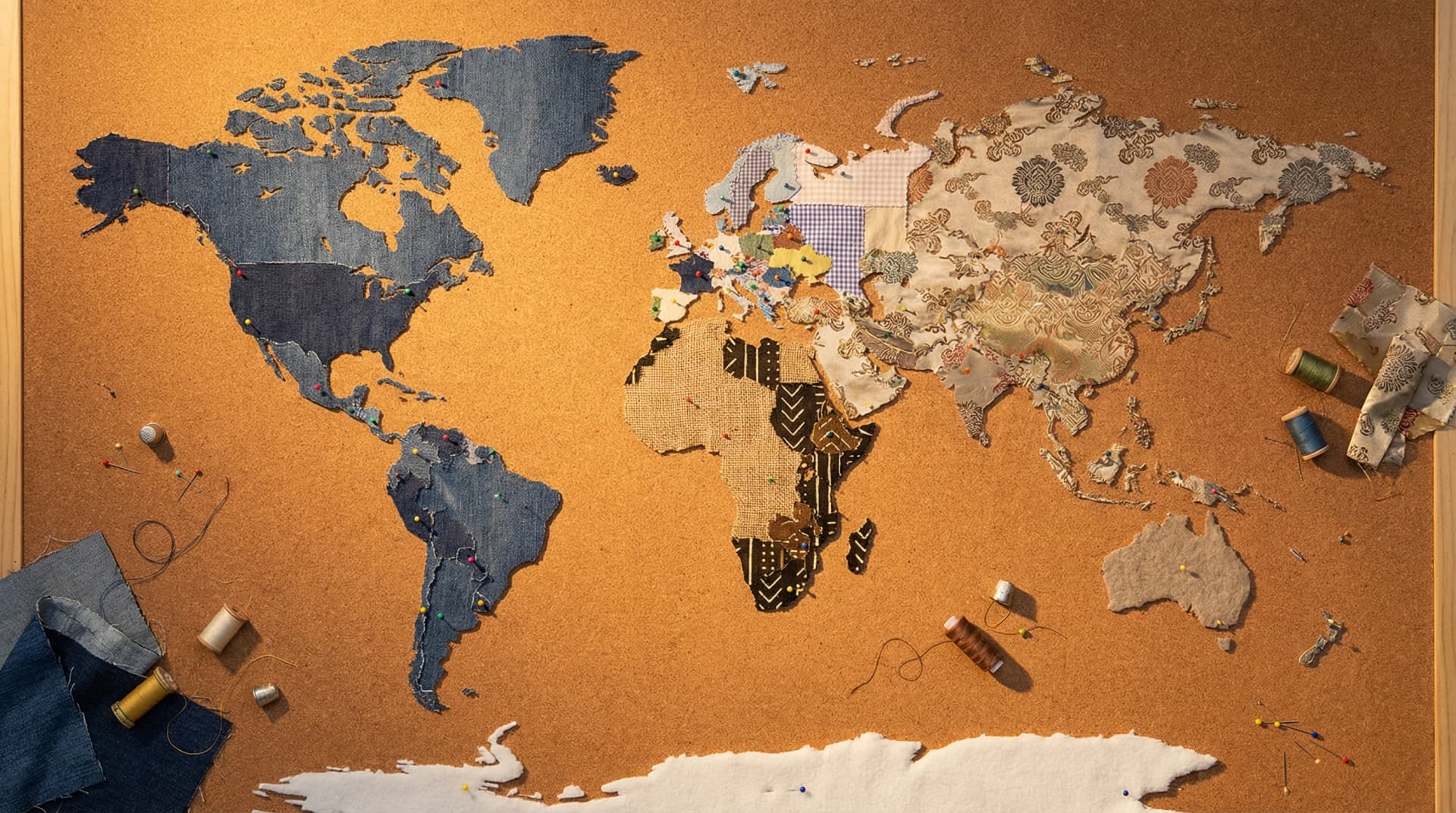
The Decision That Shapes Your Brand
Choosing where to manufacture is one of the most consequential decisions a clothing brand makes. It affects your cost structure, quality, lead times, minimum orders, sustainability story, and ultimately your brand perception.
There is no single best country. The right choice depends on your brand positioning, volume, budget, and how much control you need over the process. If you have already decided on Portugal, here is our insider review of the top 15 clothing manufacturers in Portugal.
Portugal
Best for: Premium and mid-market brands, small to medium volumes, European brands wanting short supply chains.
- —MOQ: 75–500 units per style per colour
- —Lead time: Usually 6–12 weeks production from the deposit, 5–7 working days shipping within Europe
- —Cost per unit: €12–30 for a basic hoodie (depending on specs and volume)
- —Strengths: Exceptional quality, skilled workforce with generations of textile heritage, EU compliance, short supply chains, low MOQs, OEKO-TEX and GOTS certifications widely available
- —Weaknesses: Higher per-unit cost than Asia, smaller factory capacity for very large orders
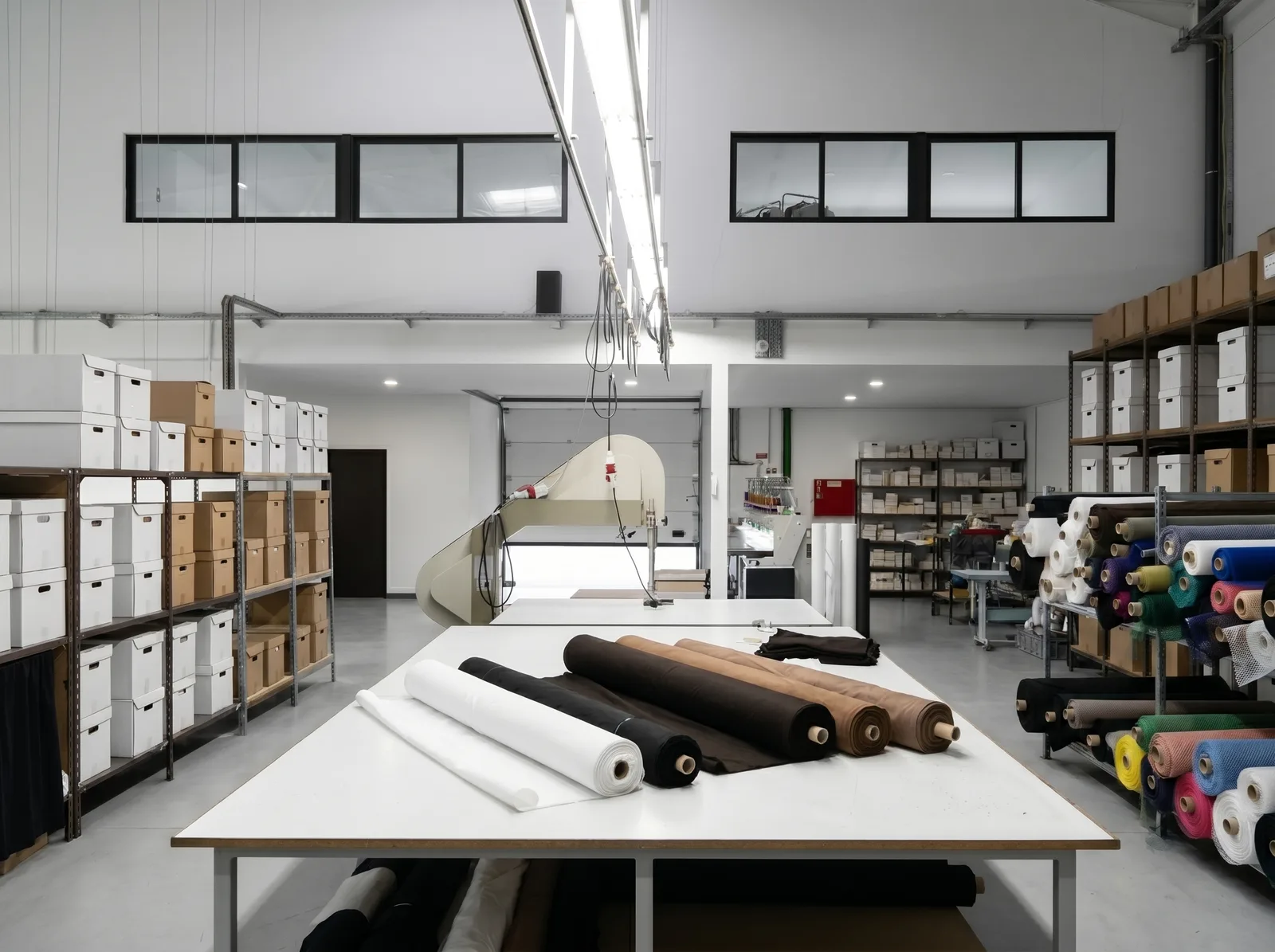
Portugal is the fastest-growing garment manufacturing destination in Europe. The northern textile corridor — Barcelos, Guimarães, Porto — has one of the highest concentrations of factories on the continent. The combination of quality, flexibility, and proximity makes it ideal for brands that value craftsmanship over volume.
Turkey
Best for: Mid-market brands, denim and knitwear, brands needing moderate volumes with decent quality.
- —MOQ: 200–1,000 units per style per colour
- —Lead time: 6–10 weeks production, 5–10 days shipping to Europe
- —Cost per unit: €8–20 for a basic hoodie
- —Strengths: Strong denim and knitwear capabilities, vertically integrated mills (spinning to finished garment), competitive pricing, bridge between European and Asian costs
- —Weaknesses: Currency volatility (Turkish lira), political instability can disrupt supply chains, quality can be inconsistent between factories, higher MOQs than Portugal
Turkey is particularly strong in denim, jersey knits, and loungewear. Istanbul factories tend to be more export-focused, while Bursa and Denizli specialise in specific fabric types. The main risk is currency and economic instability, which can cause pricing to fluctuate unpredictably.
China
Best for: High-volume brands, technical fabrics, complex construction, brands optimising for lowest cost at scale.
- —MOQ: 500–5,000 units per style per colour (some go to 10,000)
- —Lead time: 8–16 weeks production, 4–6 weeks shipping by sea
- —Cost per unit: €5–12 for a basic hoodie
- —Strengths: Massive capacity, widest range of fabric options, technical expertise in complex constructions (waterproof, performance wear), lowest cost at high volumes
- —Weaknesses: Long lead times, high MOQs, communication barriers (time zone, language), quality varies enormously, intellectual property risks, rising labour costs, trade tariffs
China remains the world's largest garment exporter, but its share is declining as costs rise and brands diversify supply chains. The key to working with Chinese factories is thorough vetting and on-the-ground quality control — either through an agent or personal visits.
Bangladesh
Best for: Ultra-high-volume basics, fast fashion, brands where cost is the primary driver.
- —MOQ: 1,000–10,000 units per style per colour
- —Lead time: 10–20 weeks production, 4–6 weeks shipping
- —Cost per unit: €3–8 for a basic hoodie
- —Strengths: Lowest production costs in the world, massive capacity for basics (t-shirts, polos, hoodies), improving infrastructure
- —Weaknesses: Very high MOQs, longest lead times, quality inconsistency, ethical concerns (Rana Plaza legacy), limited capability for complex or premium garments
Bangladesh is the second-largest garment exporter globally. Since Rana Plaza, significant investment has gone into factory safety, but due diligence remains essential. Best suited for high-volume basics rather than premium or complex products.
India
Best for: Organic cotton, handcrafted details, embroidery, prints, artisanal brands.
- —MOQ: 200–2,000 units per style per colour
- —Lead time: 8–14 weeks production, 4–6 weeks shipping
- —Cost per unit: €6–15 for a basic hoodie
- —Strengths: World's largest organic cotton producer, exceptional embroidery and handcraft traditions, competitive pricing, growing sustainability infrastructure
- —Weaknesses: Infrastructure challenges (power, logistics), communication can be difficult, lead times are unpredictable, quality control requires more oversight
India excels at products that require handwork — block printing, embroidery, hand-dyed fabrics. For straightforward cut-and-sew, other countries may offer more reliable timelines.
Italy
Best for: Luxury brands, high-end fabrics, brands where "Made in Italy" commands a price premium.
- —MOQ: 100–500 units per style per colour
- —Lead time: 6–12 weeks production, 2–5 days within Europe
- —Cost per unit: €25–60+ for a basic hoodie
- —Strengths: Finest fabrics in the world (Como silk, Biella wool, Prato recycled), unmatched prestige, exceptional finishing, EU compliance
- —Weaknesses: Highest production costs, many factories are at capacity, language barriers, less flexibility than Portugal for small brands
Italy is the undisputed leader in luxury textiles. If your price point supports it and your brand story demands it, Italian manufacturing is unmatched. For premium-but-not-luxury brands, Portugal offers comparable quality at 40–60% of the cost.
How to Decide
Ask yourself these questions:
What is your price point?
If your hoodies retail at €40, you cannot afford European manufacturing. If they retail at €120+, Portugal or Italy makes sense. The sweet spot for Portuguese manufacturing is retail prices of €60–200.
What is your volume?
Under 500 units? Portugal. 500–5,000? Portugal or Turkey. Over 5,000? Consider Turkey, China, or a split strategy.
How fast do you need to move?
If you need to react to trends quickly, short supply chains win. Portuguese production from deposit to delivery usually runs 6 to 12 weeks plus shipping. Asian production with shipping is several months.
What is your brand story?
"Made in Portugal" or "Made in Italy" communicates quality. "Made in China" or "Made in Bangladesh" — regardless of actual quality — carries different consumer perception. This matters for premium and mid-market positioning.
How much control do you need?
The closer your factory, the easier it is to visit, inspect, and build a real relationship. This matters enormously for quality control and problem resolution.
Our Perspective
We are a Portuguese factory, so we are honest about our bias. For brand founders starting out, see our guide to clothing manufacturing for startups and a detailed breakdown of how much it costs to manufacture clothing. We believe Portugal offers the best balance of quality, flexibility, and value for small to medium brands — and the data supports it. Portugal's textile exports have grown every year for the past decade.
That said, we regularly advise brands that are not a fit for us. It is also worth understanding why Made in Portugal matters and whether dropshipping vs manufacturing is the right model for your stage. If you need 10,000 units of a basic tee at the lowest possible cost, Bangladesh is probably your answer. If you need luxury silk, go to Italy. But if you want premium quality, reasonable minimums, and a factory that answers your emails the same day — see what we offer as a clothing manufacturer in Portugal.

Pedro Carreira
Founder of White Cotton, a textile manufacturer in Barcelos, Portugal. Producing custom clothing collections for brands across 15+ countries.
Continue Reading

How Much Does It Cost to Start a Clothing Brand in 2026? Real Numbers
![Hoodie Manufacturing Costs: Real Prices from a Portuguese Factory [2026]](/_next/image?url=%2Fimages%2Fgenerated%2Fblog%2Fhoodie-manufacturing-costs-breakdown.webp&w=1920&q=75)
Hoodie Manufacturing Costs: Real Prices from a Portuguese Factory [2026]
![How to Find a Clothing Manufacturer in Portugal: A Factory Owner's Honest Guide [2026]](/_next/image?url=%2Fimages%2Fgenerated%2Fblog%2Fhow-to-find-clothing-manufacturer-portugal.webp&w=1920&q=75)
How to Find a Clothing Manufacturer in Portugal: A Factory Owner's Honest Guide [2026]
![How to Vet a Clothing Manufacturer: The Due Diligence Checklist [2026]](/_next/image?url=%2Fimages%2Fgenerated%2Fblog%2Fhow-to-vet-clothing-manufacturer.webp&w=1920&q=75)
How to Vet a Clothing Manufacturer: The Due Diligence Checklist [2026]
![27 Questions to Ask a Clothing Manufacturer Before Placing Your Order [2026]](/_next/image?url=%2Fimages%2Fgenerated%2Fblog%2Fquestions-to-ask-clothing-manufacturer.webp&w=1920&q=75)