For Amsterdam Brands
Portuguese Manufacturing for Amsterdam Fashion Brands
EU single market — no customs. OEKO-TEX & GRS certified fabrics. 3–4 day delivery. Circular-economy ready. MOQ from 75 units.
Trusted by brands from UK, Germany, France, Netherlands, Dubai & 15+ countries
What We Offer
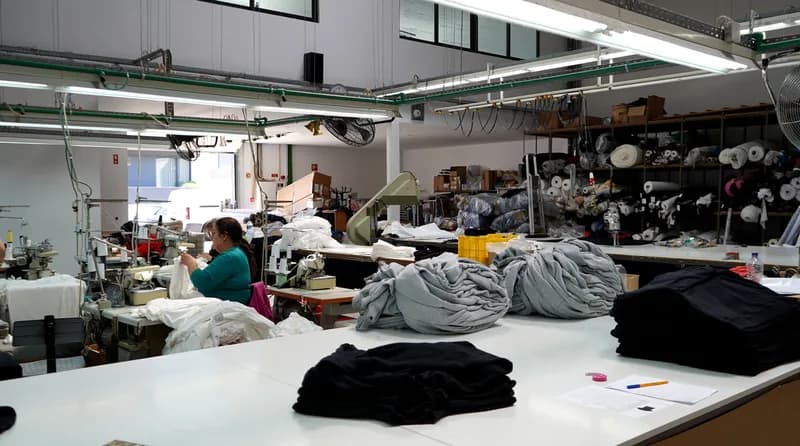
White Cotton manufactures garments for Amsterdam-based fashion brands from our factory in Barcelos, Portugal. Amsterdam doesn't just talk about sustainability — it legislates it, measures it, and builds infrastructure around it. From MUD Jeans' circular denim to Fashion for Good's innovation accelerator, the city has made sustainable fashion a civic project. Dutch brands need a manufacturer who can deliver certified materials, transparent production data, and the kind of durability that survives daily cycling and weekly washing — all at quantities that don't create the overproduction Amsterdam's circular movement exists to eliminate.
Why Amsterdam's Circular Fashion Brands Manufacture in Portugal
Amsterdam has positioned itself as Europe's circular economy capital — and fashion is at the centre of that ambition. The city is home to Fashion for Good, the world's first museum and innovation accelerator dedicated to sustainable fashion. Circle Economy, the NGO that publishes the annual Circularity Gap Report, is headquartered here. Brands like MUD Jeans (lease-a-jeans circular model), Kuyichi (organic denim since 2001), and loop.a life (garments from recycled textile waste) are not fringe experiments — they're mainstream Amsterdam fashion. Dutch Sustainable Fashion Week 2026, running in October in Haarlem, brings together upcycling experts, repair cafés, and circular design workshops. This is the ecosystem Amsterdam brands operate in — and their manufacturing partner needs to understand it.
The Netherlands introduced Extended Producer Responsibility (EPR) for textiles in July 2023 — one of the first EU countries to do so. From 2025, mandatory reuse and recycling targets apply to every brand selling textiles in the Dutch market. From 2026, producers must report the volumes of textiles they reuse and recycle. Then, from July 19, 2026, the EU's Ecodesign for Sustainable Products Regulation (ESPR) prohibits the destruction of unsold textile products. This means Amsterdam brands can no longer overproduce and write off dead stock — the regulatory framework literally penalises waste. Manufacturing in small batches from 75 units, with the ability to reorder fast, is no longer just a nice-to-have. It's a compliance strategy.
This regulatory environment makes Portuguese manufacturing a natural fit for Dutch brands. The EPR reporting requirements demand production-level data: what materials went in, where they came from, what can be recycled at end of life. We provide fibre composition documentation, material origin traceability, and fabric certification data with every order — the raw data Dutch brands need for their EPR reports. When you manufacture in Portugal, your supply chain is short (one country, EU-origin, documented) versus the multi-country opacity of Asian manufacturing where tracing a fabric from cotton field to garment factory requires four separate audit trails across three countries.
Dutch fashion is functional by nature. Amsterdam's cycling culture — the city has more bikes than residents — shapes how people dress. Garments need to move freely, survive rain, handle daily wear, and still look good locked to a canal bridge. This means construction standards matter more than decoration. Reinforced seams, colour-fast fabrics that don't fade in rain, stretch-recovery in knitwear, and pilling resistance after frequent washing — these are the baseline expectations, not premium features. We test fabrics for these properties and build garments that handle the Dutch lifestyle. A hoodie that pills after 10 washes won't survive an Amsterdam consumer's standards — or their Instagram review.
Amsterdam's maritime climate — cool, damp, and windy for most of the year (average 3–8°C in winter, 17–22°C in summer) — creates demand for layered, versatile wardrobes. Not extreme cold like Berlin, not seasonal extremes like NYC. Dutch consumers want organic cotton tees as basics, French terry sweatshirts for layering, and cotton twill or canvas for outerwear that handles wind and light rain. The emphasis is on mid-weight, multi-season garments that work year-round — which happens to be the sweet spot of Portuguese manufacturing. We produce the 200–420 GSM range of organic and recycled fabrics that Amsterdam's closet is built from.
Why Choose Us
Why White Cotton for Amsterdam Brands
EU Single Market — Zero Friction
Portugal and the Netherlands are both EU member states. Goods move freely — zero customs, zero duties, zero border checks. Standard intra-community supply with reverse-charge VAT. Delivery to Amsterdam works exactly like a domestic Dutch shipment.
EPR and Circular Compliance Ready
Dutch EPR reporting starts in 2026. ESPR bans destruction of unsold stock from July 2026. We provide the production data your reports need: material composition, origin traceability, fabric certifications. And our 75-unit MOQ means you produce what you can sell — no forced overproduction that the new regulations penalise.
Built for Dutch Durability Standards
Amsterdam consumers cycle in rain, wash frequently, and expect garments to last years — not seasons. We test fabrics for pilling resistance, colour fastness, and shrinkage before production begins. The garments we build are designed to survive the Dutch lifestyle.
Transparent, Itemized Pricing
Dutch brands value directness. We provide itemized quotations with every cost line visible: fabric per metre, trims, labour, finishing, packaging. No hidden margins, no middlemen inflating the price. What you see is what the garment actually costs to produce.
Product Catalog
Popular Products
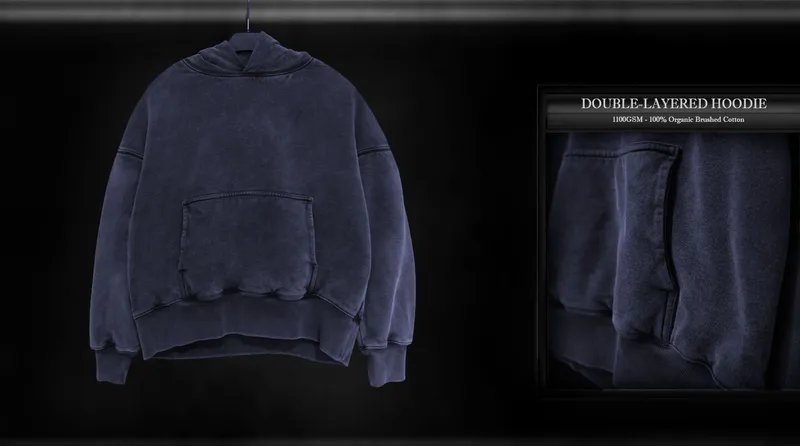
Double-Layered Hoodie
1100GSM — 100% Organic Brushed Cotton
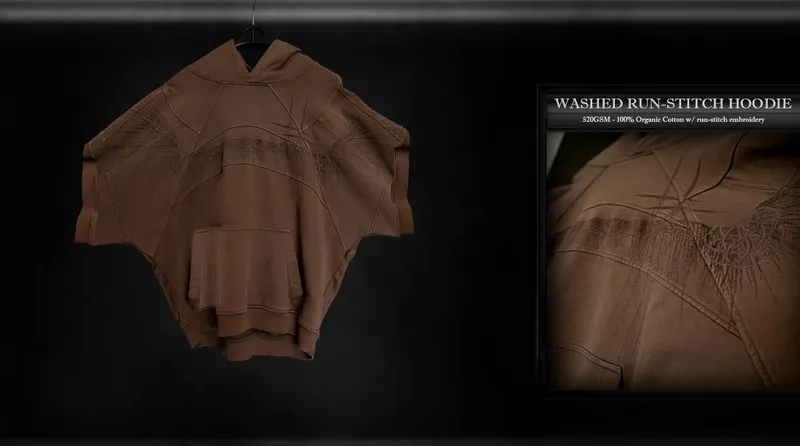
Washed Run-Stitch Hoodie
520GSM — 100% Organic Cotton w/ Run-Stitch Embroidery
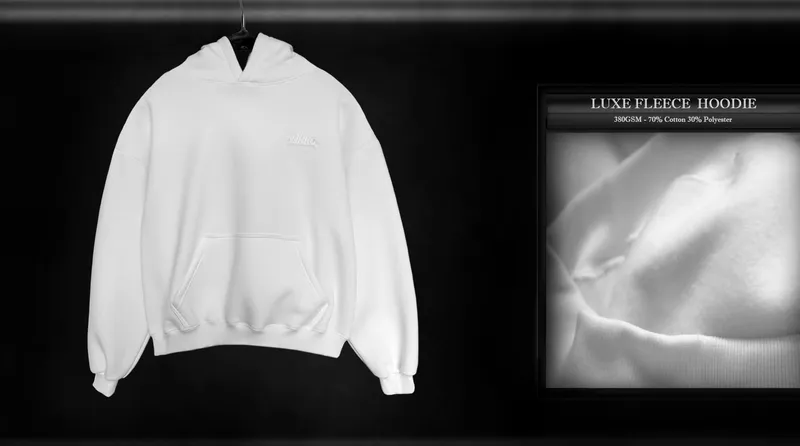
Luxe Fleece Hoodie
380GSM — 70% Cotton 30% Polyester
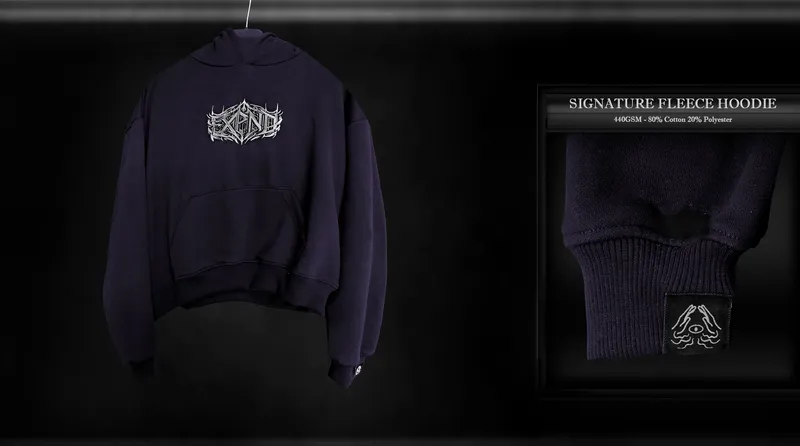
Signature Fleece Hoodie
440GSM — 80% Cotton 20% Polyester
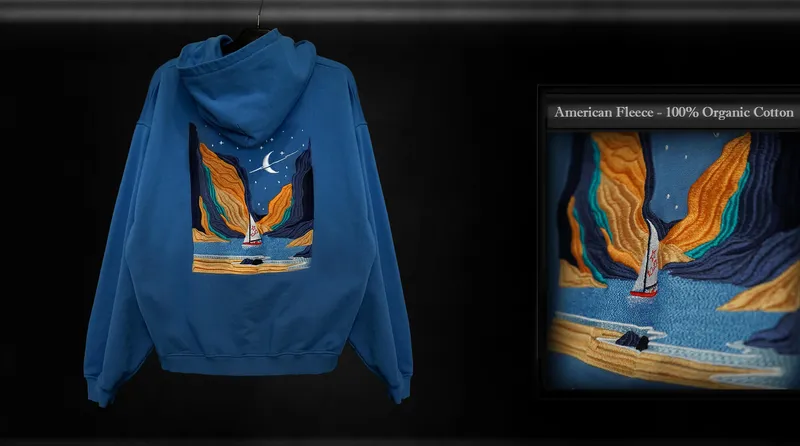
American Fleece Hoodie
380GSM — 100% Organic Cotton
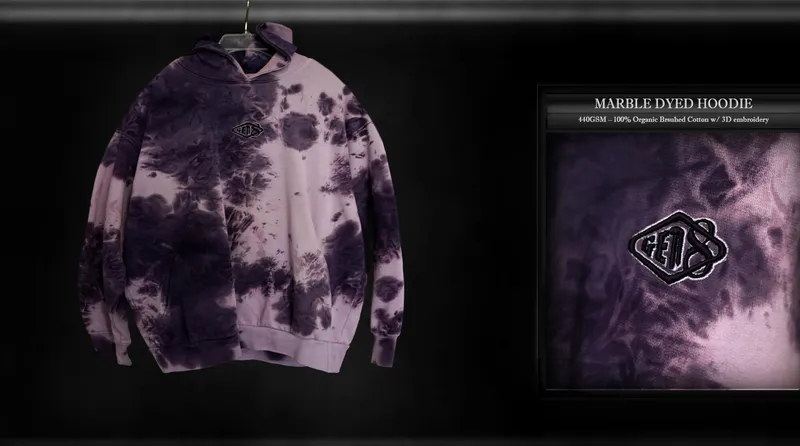
Marble Dyed Hoodie
440GSM — 100% Organic Brushed Cotton w/ 3D Embroidery
Fabric Selection
Recommended Fabrics
Recycled Jersey
GRS-certified recycled cotton-poly blends — the fabric Amsterdam's circular fashion movement is built on. Post-consumer and post-industrial recycled content. Dutch brands report recycled material volumes under EPR — GRS certification makes this data verifiable.
Organic Cotton Jersey
GOTS-certified organic cotton is the baseline expectation for Amsterdam's sustainable brands, not a premium add-on. Lightweight 180–220 GSM for everyday tees and layering basics that Dutch consumers wear as their daily uniform.
Cotton Twill
Durable, structured twill for the workwear-influenced jackets, overshirts, and trousers that Amsterdam's practical fashion demands. Handles wind and light rain, holds shape through years of cycling and washing. The functional fabric of Dutch style.
Decoration & Finishing
Recommended Techniques
Embroidery
Minimal, functional branding for the Dutch aesthetic — small logos, tonal placements, discrete details that don't shout. Amsterdam fashion communicates quality through garment construction, not decoration. Embroidery says what it needs to and nothing more.
Screen Printing
Water-based inks exclusively — no PVC, no phthalates, no plastisol. Dutch brands with sustainability commitments need printing methods that align with their values and survive their customers' scrutiny. Soft hand-feel that becomes part of the fabric, not a stiff layer on top.
Specialty Finishes
Enzyme washing for natural softness, bio-polishing for clean surface texture. These finishing techniques give organic and recycled fabrics the premium hand-feel that justifies the price point in Amsterdam concept stores like Tenue de Nîmes and Hutspot.
Real Example
How We Delivered
Scenario
An Amsterdam circular fashion startup needed GOTS and GRS certified production for their B-Corp application and two concept store distribution agreements. Their previous supplier in India had organic fabric but the factory lacked GOTS scope certification, creating a compliance gap. They also needed to limit production to exactly what their wholesale orders required — no overproduction.
Solution
We produced 100 organic cotton tees (200 GSM GOTS jersey, 4 colourways), 80 recycled-fabric hoodies (400 GSM GRS fleece, enzyme-washed), and 60 cotton twill trousers — all at exact wholesale order quantities. Full GOTS and GRS transaction certificates provided. Packaging: recycled poly bags, FSC-certified cartons, zero single-use plastic.
Result
Brand completed their B-Corp assessment with full supply chain documentation scoring in the top quartile. Launched in two Amsterdam concept stores with verified sustainability claims on every product page. Reordered within 6 weeks — at the same small-batch quantities, because the EPR framework rewards producing only what sells.
Process
How It Works
Send Your Tech Pack
Share your tech pack with flat sketches, measurements, and fabric specs. Still developing it? Send what you have — we'll help you refine it.
Get a Detailed Quote
Receive a detailed, transparent quotation covering fabric, trims, manufacturing, and finishing. Factory-direct pricing, no middlemen.
Approve Your Sample
We produce a pre-production sample for your review. Iterate until every detail — fit, fabric, colour, construction — matches your vision.
Production & Delivery
Full production with quality control at every stage. Packed to your specs and shipped directly to your warehouse or fulfillment centre.
Common Questions
Frequently Asked
How long does delivery take from Portugal to Amsterdam?
Road freight from Barcelos to Amsterdam takes 3–4 business days via established European logistics corridors. Express courier for samples arrives in 1–2 days. All shipments include full tracking and standard intra-EU documentation. This is comparable to domestic Dutch deliveries from southern European warehouses.
Are there customs duties between Portugal and the Netherlands?
No. Both countries are EU member states — goods move freely within the single market with zero customs, zero duties, and zero border inspections. We ship as intra-community supply with reverse-charge VAT documentation. Your Dutch accountant handles the VAT return automatically.
Can you support our EPR reporting requirements?
Yes. Dutch EPR for textiles requires producers to report volumes of textiles placed on market, collected, reused, and recycled from 2026. We provide the production-level data your reports need: fibre composition per garment, material origin and certification status, and production volumes per order. For brands also preparing for the EU-wide Digital Product Passport, this same data serves as the foundation of your compliance documentation.
What sustainability certifications can you provide?
We source OEKO-TEX Standard 100 certified fabrics (independently tested for harmful substances), GOTS-certified organic cotton (supply chain certification from farm to fabric), GRS-certified recycled materials (post-consumer and post-industrial recycled content), and BCI cotton. Transaction certificates accompany every order — essential for Dutch retail distribution, B-Corp applications, and EPR compliance.
What is the minimum order for Amsterdam brands?
100 units per style in one colourway, or 75 per colourway when you order two or more. With ESPR prohibiting destruction of unsold textiles from July 2026, small-batch production isn't just economically smart — it's a regulatory strategy. Produce what your wholesale orders require, reorder bestsellers in 3–4 weeks, and avoid the dead stock that new EU regulations penalise.
Do you use sustainable packaging?
Yes. Standard packaging uses recycled poly bags and FSC-certified cardboard cartons. We also offer plastic-free packaging: compostable garment bags, recycled tissue paper, and unbleached kraft paper wrapping. Every packaging element is sourced from Portuguese suppliers and can be customised to match your brand's sustainability standards. Amsterdam brands often specify zero single-use plastic — we accommodate this as a standard option.
Can I visit the factory?
Factory visits are available for production clients — once samples are approved and bulk production is underway. Amsterdam to Porto is a direct flight (approximately 2.5 hours with KLM, TAP, or Transavia), and Barcelos is about 40 minutes from Porto airport. Porto is becoming a popular weekend destination for Dutch travellers — the weather, wine, and €2 pastéis de nata are a welcome change from Amsterdam's drizzle.
How do you handle circular design considerations?
Circular design starts at the material selection stage. We advise on mono-material construction (single-fibre garments are easier to recycle than blends), removable trims (buttons and zippers that can be separated from fabric at end of life), and certified materials with documented recyclability. For Amsterdam brands designing for circularity, we help you make production choices that support end-of-life garment recovery — the final step in the circular model Amsterdam is building toward.
Ready to manufacture for amsterdam brands?
Tools & Resources
Explore More
Also Manufacturing For