For Australian Brands
Portuguese Manufacturing for Australian Fashion Brands
New EU-Australia FTA — duty-free access. Air freight in 2–3 days. OEKO-TEX certified fabrics. MOQ from 75 units.
Trusted by brands from UK, Germany, France, Netherlands, Dubai & 15+ countries
What We Offer
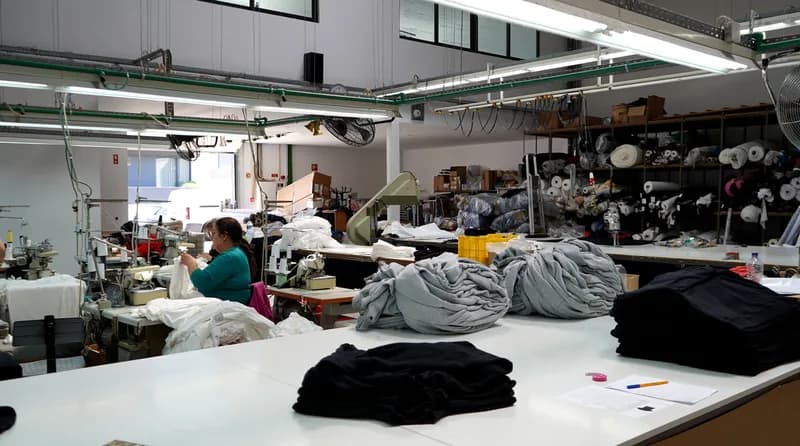
White Cotton manufactures garments for Australian fashion brands from our factory in Barcelos, Portugal. The game changed on March 24, 2026: after eight years of negotiation, the EU and Australia concluded a Free Trade Agreement that eliminates tariffs on all manufactured goods — including textiles and clothing. Portuguese-made garments now enter Australia duty-free. Combined with Australia's $28 billion fashion industry, a thriving independent designer scene from Sydney's Surry Hills to Melbourne's Collingwood, and growing demand for European-made premium, Portuguese manufacturing just became the most attractive international production option for Australian brands.
Why Australian Brands Are Discovering Portuguese Manufacturing
The EU-Australia Free Trade Agreement, concluded on March 24, 2026 after eight years of negotiation, is the single biggest shift in Australian fashion manufacturing economics in a decade. Before the FTA, Australian import duty on clothing from the EU was 5% of customs value. Under the new agreement, the EU eliminates tariffs on all manufactured goods including textiles, and Australia reciprocates with duty-free access for EU-origin products. For an Australian brand importing Portuguese-made garments, this means the 5% duty that previously added AUD $2–5 per unit on premium garments disappears entirely. The FTA hasn't received the attention it deserves in the fashion industry — but brands that understand the implications early will have a structural cost advantage over competitors still paying duties on non-FTA imports.
Australian Fashion Week 2026 — held May 11–15 at the Museum of Contemporary Art on Sydney's Circular Quay — showcased the strongest lineup of independent Australian designers in the event's history. Zimmermann continues to define Sydney's romantic resort aesthetic. Aje has built a national brand on sustainable sourcing and variable-climate versatility. Sir creates ethically sourced everyday essentials. But the real energy was in the emerging names: Alberta Bucciarelli's innovative knitted puffer jackets using expandable yarn, Ouse's slow-fashion collection made entirely from deadstock and recycled materials, and KingKing's Blak-owned label where each garment begins as original First Nations artwork. These designers need production partners who can handle small batches, premium fabrics, and unique construction — exactly the gap Portuguese manufacturing fills.
Australia's inverted seasons are a production timing advantage that most brands don't think about. While European and US brands order heavyweight hoodies in August for Northern Hemisphere winter, Australian brands need their winter production (June–August) ordered in March–April. This counter-cyclical timing means Portuguese factories have available capacity during what would otherwise be a quieter production period. Your heavyweight order doesn't compete with European winter production — it arrives during Portuguese spring, when factory schedules are more flexible and lead times are shorter. Smart Australian brands use this timing offset to get better production slots and faster turnaround.
The Melbourne-Sydney fashion axis defines Australian style in two distinct directions. Sydney's fashion — influenced by coastal living, resort culture, and an outdoor lifestyle — leans toward lightweight fabrics, relaxed silhouettes, and sun-faded colour palettes. Linen shirts, organic cotton tees, and lightweight French terry are Sydney's core wardrobe. Melbourne's fashion is darker, more layered, and more avant-garde — influenced by the city's cooler, more unpredictable climate (genuine cold at 6–14°C in winter), its gallery culture, and a streetwear scene that draws from London and Tokyo. Heavyweight hoodies, garment-dyed fleece, and structured canvas outerwear sell in Melbourne year-round. We produce across both registers: 140 GSM lightweight jersey for Sydney's eternal summer and 580 GSM brushed fleece for Melbourne's moody winters.
Shipping from Portugal to Australia is the honest conversation. Air freight from Porto reaches Sydney or Melbourne in 2–3 days at approximately AUD $2,000–3,500 per pallet (100–200 garments). Sea freight takes 25–35 days at AUD $800–1,500 per pallet — significantly cheaper but slower. For first orders and urgent restocks, air freight is the practical choice. For planned seasonal production and reorders with lead time, sea freight makes the economics work better. Many Australian clients use a hybrid: air-freight the initial launch order to meet a drop date or AFW presentation, then sea-freight the restock once sell-through data confirms demand. With the new FTA eliminating the 5% duty, the total landed cost of Portuguese-made garments in Australia is now competitive with Chinese and Indian manufacturing — with the 'Made in Portugal' premium positioning that Australian consumers value.
Why Choose Us
Why White Cotton for Australian Brands
EU-Australia FTA — Duty-Free
The new EU-Australia Free Trade Agreement (concluded March 2026) eliminates tariffs on textiles and clothing. Portuguese-made garments enter Australia duty-free — a structural cost advantage over non-FTA manufacturing countries.
Counter-Cyclical Production Timing
Australia's inverted seasons mean your winter order (for June–August) arrives during Portuguese spring, when factory capacity is more available. No competing with European winter production for slots. Better scheduling, faster turnaround.
'Made in Europe' for the Australian Market
Australian consumers increasingly value European manufacturing provenance. 'Made in Portugal' positions your brand above Asian-manufactured competitors at David Jones, The Iconic, and independent boutiques from Surry Hills to Fitzroy.
75-Unit MOQ for Independent Designers
Australia's emerging designer scene — from AFW's New Gen programme to Melbourne's Collingwood ateliers — needs professional production at independent-brand volumes. 75 units per colourway, not the 300+ that Asian factories require.
Product Catalog
Popular Products
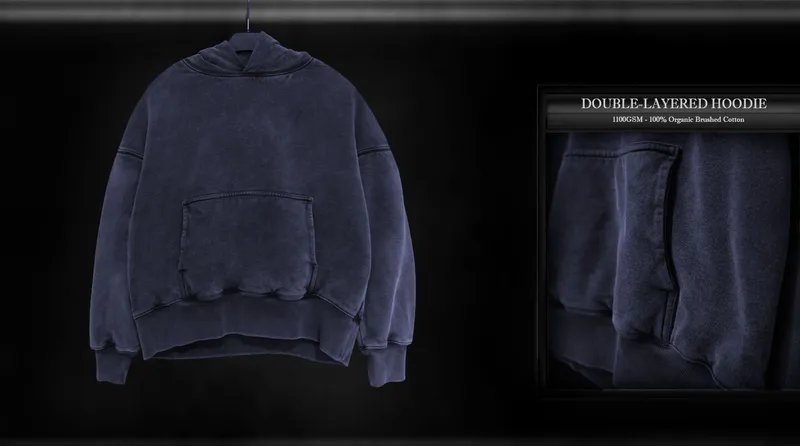
Double-Layered Hoodie
1100GSM — 100% Organic Brushed Cotton
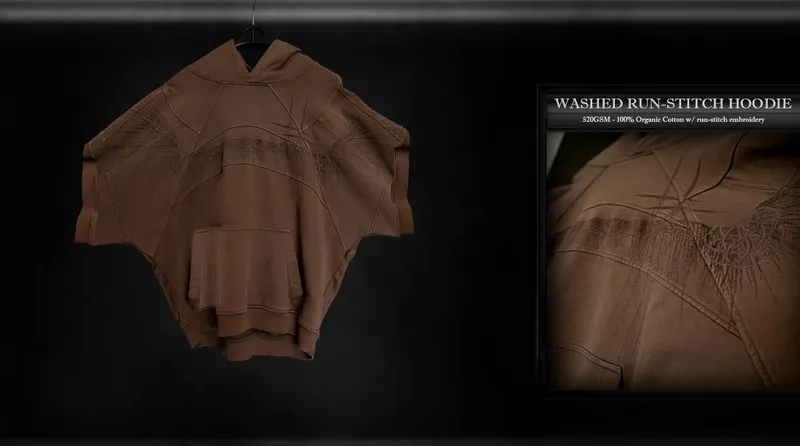
Washed Run-Stitch Hoodie
520GSM — 100% Organic Cotton w/ Run-Stitch Embroidery
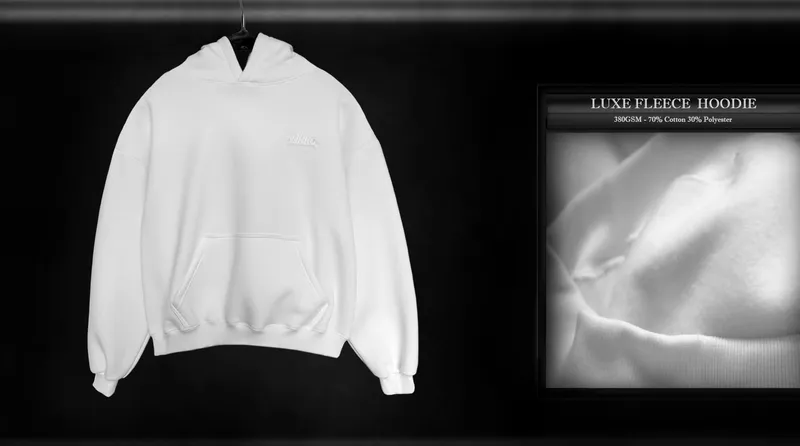
Luxe Fleece Hoodie
380GSM — 70% Cotton 30% Polyester
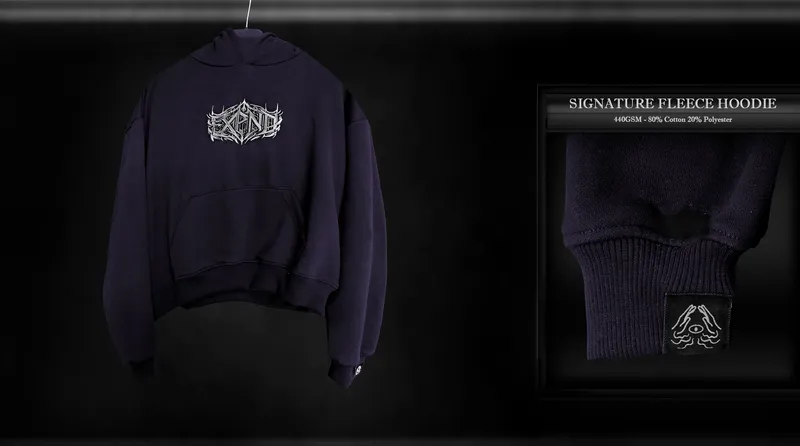
Signature Fleece Hoodie
440GSM — 80% Cotton 20% Polyester
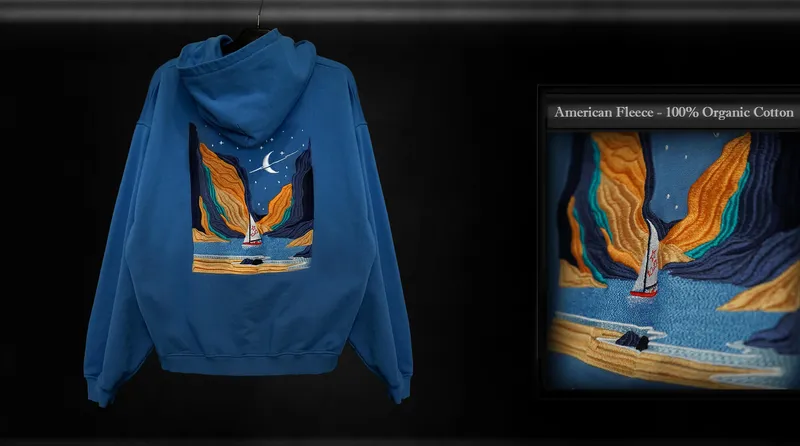
American Fleece Hoodie
380GSM — 100% Organic Cotton
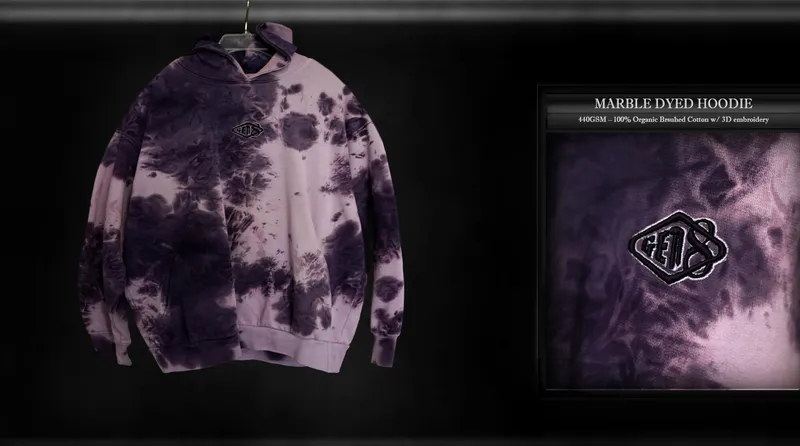
Marble Dyed Hoodie
440GSM — 100% Organic Brushed Cotton w/ 3D Embroidery
Fabric Selection
Recommended Fabrics
Organic Cotton Jersey
Lightweight 160–220 GSM for Sydney's warm climate and heavyweight 220–280 GSM for Melbourne's layering culture. GOTS-certified organic cotton meets the sustainability standards Australian retailers like The Iconic and David Jones increasingly require. The foundation of every Australian casual wardrobe.
French Terry
The all-Australian fabric — 280–420 GSM covering Sydney's transitional seasons and Melbourne's year-round need for layering. Soft enough for loungewear, structured enough for streetwear. The crewneck sweatshirt is Australia's most democratic garment.
Linen
European-sourced linen for Sydney and Brisbane's subtropical warmth. Camp collar shirts, relaxed trousers, and resort-influenced pieces that Zimmermann and Aje have made the Australian fashion signature. Naturally breathable, luxurious drape, and a sustainability story that sells.
Decoration & Finishing
Recommended Techniques
Embroidery
Clean, refined embroidery for Australian brands balancing premium positioning with relaxed aesthetics. Tonal placements, small-scale logos — the understated branding that resonates in Australian concept stores from Surry Hills to South Yarra.
Specialty Finishes
Enzyme washing and garment dyeing for the sun-faded, lived-in aesthetic Australian consumers gravitate toward. New garments that look like they've spent a season at Bondi. The relaxed finish that defines Australian casual luxury.
Screen Printing
Water-based inks for eco-conscious Australian brands. Bold prints for Sydney streetwear, tonal graphics for Melbourne's darker aesthetic. Soft hand-feel that works in a warm climate where fabric sits directly on skin.
Real Example
How We Delivered
Scenario
A Melbourne-based streetwear brand was sourcing heavyweight hoodies from China at 300-unit minimums, with 10-week lead times and 5% import duty. Quality varied between batches, and the 'Made in China' label was limiting their positioning at premium Melbourne boutiques.
Solution
We produced 100 hoodies (480 GSM brushed fleece, garment-dyed in 3 colourways with 3D puff embroidery) and 200 organic cotton tees (240 GSM, water-based screen prints). Production timed for March delivery — arriving for Australian winter (June). Sea freighted to Melbourne in 28 days. Zero import duty under the new EU-Australia FTA.
Result
Brand repositioned as 'European-made' and secured two new stockists in Fitzroy and Collingwood. Per-unit landed cost dropped versus Chinese production once FTA duty savings were factored in. Quality consistency resolved — every garment within spec. Now produces biannual collections: heavyweight for Australian winter, lightweight for summer.
Process
How It Works
Send Your Tech Pack
Share your tech pack with flat sketches, measurements, and fabric specs. Still developing it? Send what you have — we'll help you refine it.
Get a Detailed Quote
Receive a detailed, transparent quotation covering fabric, trims, manufacturing, and finishing. Factory-direct pricing, no middlemen.
Approve Your Sample
We produce a pre-production sample for your review. Iterate until every detail — fit, fabric, colour, construction — matches your vision.
Production & Delivery
Full production with quality control at every stage. Packed to your specs and shipped directly to your warehouse or fulfillment centre.
Common Questions
Frequently Asked
How does the new EU-Australia FTA affect manufacturing costs?
The EU-Australia Free Trade Agreement, concluded in March 2026, eliminates tariffs on all EU-manufactured textiles and clothing entering Australia. Previously, Australian import duty on clothing was 5% of customs value. Under the FTA, Portuguese-made garments enter duty-free. For a premium hoodie with AUD $40 landed cost, that's AUD $2 saved per unit — meaningful at volume. The FTA also simplifies customs documentation with mutual recognition provisions.
How long does shipping take from Portugal to Australia?
Air freight from Porto to Sydney or Melbourne takes 2–3 days at approximately AUD $2,000–3,500 per pallet (100–200 garments). Sea freight takes 25–35 days at AUD $800–1,500 per pallet. Most Australian clients use a hybrid: air-freight initial orders for speed, sea-freight restocks for economy. With 6–12 week production from the deposit, total timeline is around 6 to 13 weeks by air or 6 to 14 weeks by sea.
How do Australia's inverted seasons affect production timing?
Australian winter runs June–August and summer December–February — opposite to the Northern Hemisphere. This means your winter heavyweight order (hoodies, fleece, outerwear) is placed in March–April, arriving at our factory during Portuguese spring when capacity is more available. You're not competing with European brands for winter production slots. This counter-cyclical timing often means shorter lead times and better factory scheduling for Australian clients.
What is the minimum order for Australian brands?
100 units per style in one colourway, or 75 per colourway when you order two or more — identical to all our clients. For Australian brands showing at AFW or launching through independent boutiques, 75 units is enough to test a collection without the 300-unit minimums most Asian factories require. Start small, validate sell-through, and scale for the following season.
Do you produce for both Sydney and Melbourne aesthetics?
Yes — and they're quite different. Sydney style leans toward lightweight, resort-influenced, sun-faded casual: linen shirts, organic cotton tees (160–220 GSM), relaxed fits. Melbourne style is darker, more layered, and more streetwear-influenced: heavyweight hoodies (400–580 GSM), garment-dyed fleece, structured outerwear. We produce across both registers and many Australian clients order both ranges — lightweight for summer/Sydney market, heavyweight for winter/Melbourne market.
Can you handle Australian sizing?
Yes. We produce in Australian sizing (XS–3XL or custom size charts). Australian sizing aligns closely with UK sizing for most garment types. We work from your size spec or can advise on Australian-market sizing based on your target fit — regular, relaxed, oversized, or boxy.
What sustainability certifications do Australian retailers require?
Australian retailers increasingly require documented sustainability credentials. The Iconic's sustainability programme, David Jones' ethical sourcing requirements, and independent boutiques across Sydney and Melbourne all evaluate material certifications. We source OEKO-TEX Standard 100 certified fabrics, GOTS-certified organic cotton, and GRS-certified recycled materials with transaction certificates that satisfy Australian retail requirements.
Can I visit the factory?
Factory visits are available for production clients — once samples are approved and bulk production is underway. Sydney or Melbourne to Porto is approximately 22–26 hours with one or two connections (typically via Dubai, Singapore, or a European hub). Not a quick trip — but many Australian brand founders combine the factory visit with a broader European sourcing or sales trip, visiting fabric fairs in Paris or retail partners in London during the same journey.
Ready to manufacture for australian brands?
Tools & Resources
Explore More
Also Manufacturing For