For Milan Brands
Portuguese Manufacturing for Milan Fashion Brands
European quality, competitive costs. EU single market — no customs. 2–3 day delivery. MOQ from 75 units.
Trusted by brands from UK, Germany, France, Netherlands, Dubai & 15+ countries
What We Offer
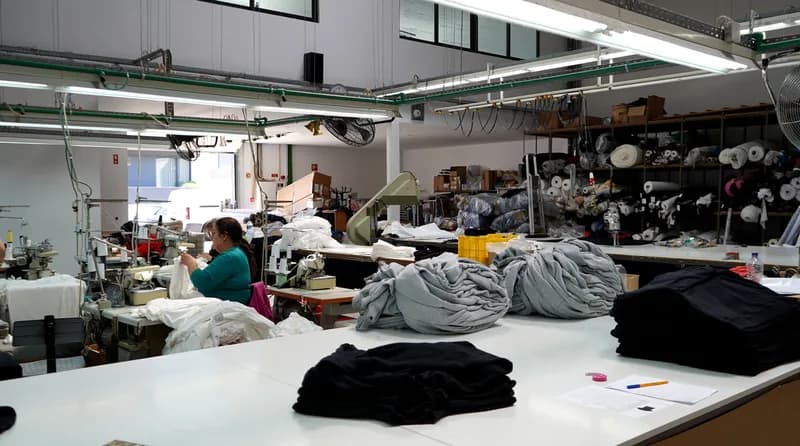
White Cotton manufactures garments for Milan-based fashion brands from our factory in Barcelos, Portugal. We're not here to replace Italian manufacturing — Italy's tailoring, leather goods, and woven fabric heritage is unmatched. But for cut-and-sew knitwear — hoodies, t-shirts, sweatshirts, joggers, jersey shirts — Portuguese production delivers comparable quality at 30–40% lower cost, with the same EU origin, the same fabric mills, and 2-day delivery to Milan. Many Italian brands already split production: Italy for tailoring, Portugal for knits.
The Economics of Portuguese Manufacturing for Milanese Brands
Let's be direct: 'Made in Italy' is the strongest origin label in fashion. Nothing we say changes that. If your brand's entire value proposition is Italian craftsmanship — if your customers buy because the label says Fatto in Italia — then you should keep manufacturing in Italy. But if you're a Milanese contemporary brand, an emerging designer showing at Fashion Hub Market, or an established label looking to improve margins on your basics line without leaving Europe, the Portugal conversation is worth having. CNN reported from MFW Spring 2026 that 'brands make a renewed case for Made in Italy' — and they should. The question isn't Italy OR Portugal. It's which garments belong where.
The split that Italian brands increasingly use is straightforward: Italy for what Italy does best (tailored pieces, woven shirting, leather accessories, luxury finishing), Portugal for what the northern textile corridor does best (cut-and-sew knitwear, heavyweight fleece, garment-dyed jersey, embroidered casualwear). A 220 GSM organic cotton t-shirt doesn't need Milanese tailoring — it needs consistent fabric, clean stitching, and competitive unit economics. A 420 GSM French terry sweatshirt doesn't need a Florentine atelier — it needs a factory with the right machinery, certified fabrics, and the ability to produce 75 units without charging a premium-on-premium. That's what Barcelos delivers.
A new generation of Italian designers is emerging with a different logic — what WWD called designers 'overcoming heritage and aspiration with a logic closer to necessity.' Domenico Orefice debuted at Milan Men's Fashion Week in January 2026 with a collection blending Italian sartorialism with nomadic sportswear. Victor Hart works with deadstock textiles and a direct-to-consumer model. Lamandini, a Marni and MSGM graduate, built a cult following among Italian musicians producing in limited quantities. These designers don't have the budget or the volume for traditional Italian manufacturing — but they have the taste, the eye, and the audience. Portuguese production at 75-unit MOQs gives them factory-grade quality at quantities that match their actual sales, not some arbitrary minimum.
The fabric story strengthens the case. Portugal's northern textile mills source from the same European supply chain that feeds Italian manufacturers — Albini Group cottons, Turkish ring-spun yarns, certified organic fibres from the same GOTS-accredited farms. The mill network between Porto, Barcelos, Guimarães, and Famalicão produces performance knits, organic jerseys, and heavyweight fleece at volumes and qualities that rival anything south of the Alps. The difference is cost structure: Portuguese labour, energy, and facility costs are 30–40% below Italian equivalents. For a Milanese brand buying organic cotton jersey, the fabric might literally come from the same spinning mill — it's just cut and sewn in a factory with different overhead.
Milan's climate creates year-round demand for the mid-weight knitwear Portugal specialises in. Cold, foggy winters (0–5°C) call for heavyweight fleece and layered French terry. Hot, humid summers (25–35°C) need lightweight organic jersey and breathable cotton poplin. The transitional months — March through May, September through November — are the sweet spot for the 280–420 GSM fabrics that dominate our production. Milanese consumers dress with precision: the right weight for the right moment, the right fabric hand-feel for the right context. Portuguese manufacturing delivers this range without the Italian price tag — and at 2–3 days road freight, reorders arrive faster than shipments from some Italian regions.
Why Choose Us
Why White Cotton for Milan Brands
30–40% Below Italian Production Costs
Portuguese manufacturing delivers comparable cut-and-sew quality at significantly lower unit costs. The difference is overhead and labour rates — not materials or skill. Italian brands moving their knitwear basics to Portugal typically save 30–40% while maintaining the quality their retail accounts approve without question.
2–3 Day Delivery to Milan
Road freight from Barcelos to Milan takes 2–3 days via Spain and southern France. Express courier for samples arrives overnight. For pattern iterations and sample rounds, Portuguese manufacturing feels almost as close as domestic production — closer than some southern Italian regions.
Same European Fabric Supply Chain
We source from the same European mills that supply Italian manufacturers. Organic cotton, premium French terry, ring-spun jersey — the fabric often comes from the same spinning mill. The difference is where it's cut and sewn, and at what cost.
75-Unit MOQ for Emerging Designers
MFW's Fashion Hub Market is full of emerging Italian designers who need professional production at quantities that match their actual sales. 75 units per colourway — not the 200–500 minimums most Italian factories require. Test your collection, sell through, reorder winners.
Product Catalog
Popular Products
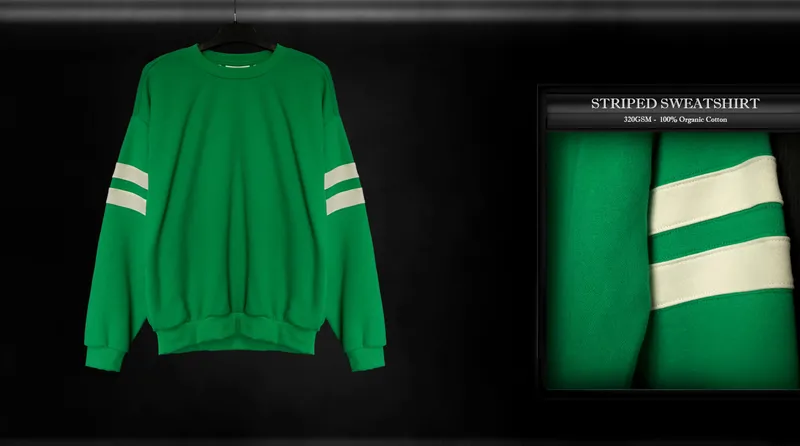
Striped Sweatshirt
320GSM — 100% Organic Cotton
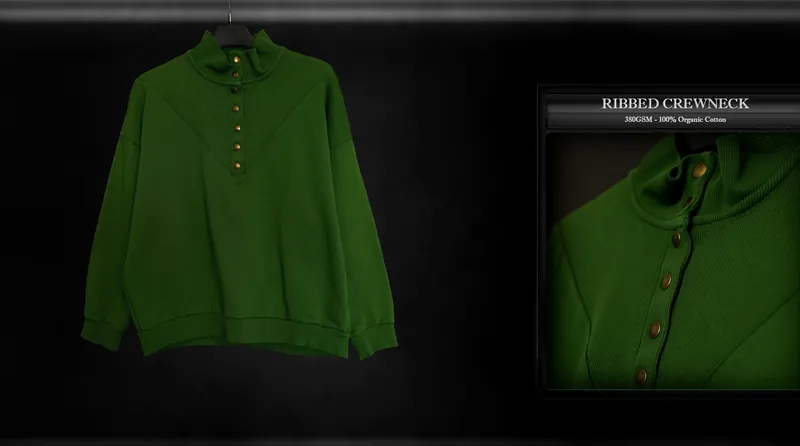
Ribbed Crewneck
380GSM — 100% Organic Cotton
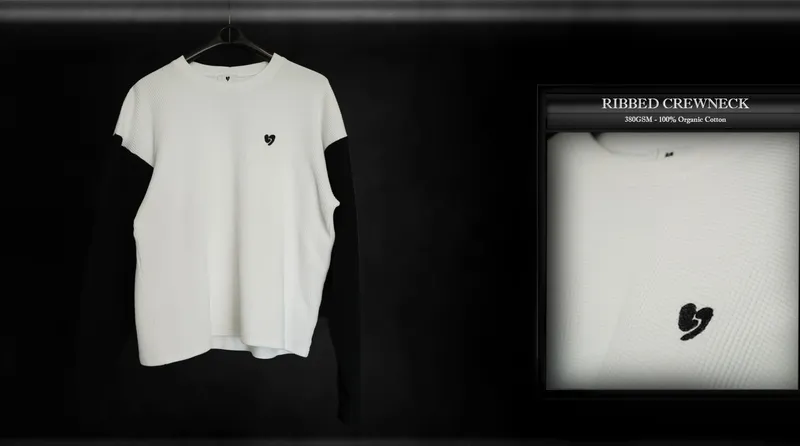
Ribbed Crewneck II
380GSM — 100% Organic Cotton
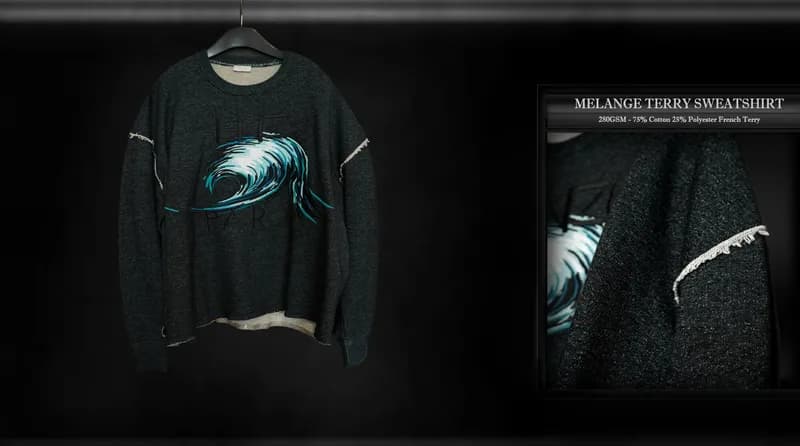
Melange Terry Sweatshirt
280GSM — 75% Cotton 25% Polyester French Terry
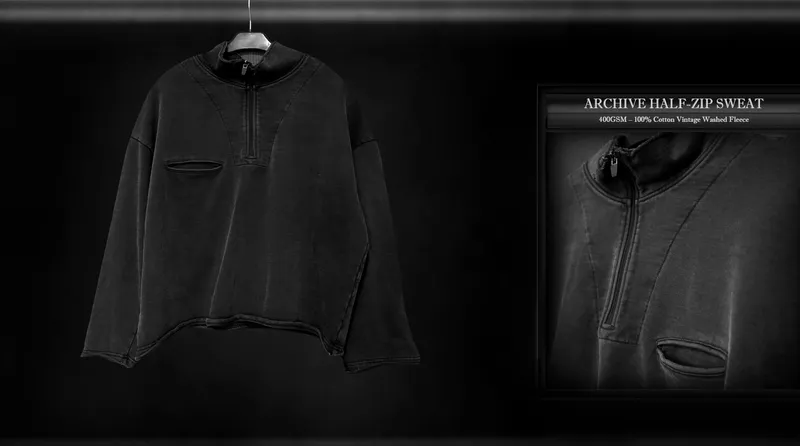
Archive Half-Zip Sweat
400GSM — 100% Cotton Vintage Washed Fleece
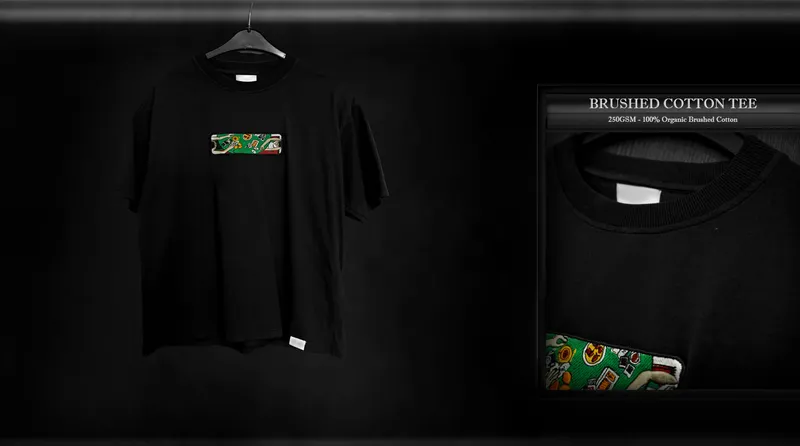
Brushed Cotton Tee
250GSM — 100% Organic Brushed Cotton
Fabric Selection
Recommended Fabrics
Organic Cotton Jersey
GOTS-certified organic jersey in 180–280 GSM — the foundation of Italian casual basics. Milanese consumers expect premium hand-feel from a simple t-shirt. We source ring-spun organic cotton with the softness and drape that Italian retail standards demand.
French Terry
Premium French terry at 340–500 GSM for the Italian athleisure and casual luxury market. Smooth exterior for clean lines that photograph well, soft looped interior for the tactile comfort Italian consumers judge knitwear by. The fabric behind every Italian contemporary brand's crewneck sweatshirt.
Cotton Poplin
Crisp, refined cotton poplin at 100–140 GSM for casual shirting. Italy wrote the book on woven shirts — but for the relaxed, unstructured camp collars and overshirts that contemporary Milanese brands are producing now, Portuguese poplin construction delivers the quality at better economics.
Decoration & Finishing
Recommended Techniques
Embroidery
Italian fashion demands embroidery that is precise, refined, and nearly invisible — tonal logos, small placements, Pantone-matched threads. The kind of branding you feel before you see it. Our multi-head Tajima machines deliver this standard consistently across production runs.
Specialty Finishes
Garment dyeing for rich, depth colour. Enzyme softening for a lived-in hand-feel from the first wear. Silicone wash for luxury drape. These finishing techniques give Portuguese-made knitwear the tactile quality Milanese consumers expect — garments that feel as good as they look.
Screen Printing
High-definition screen printing with water-based inks for contemporary Italian brands. Soft hand-feel prints that integrate with the fabric — not stiff plastisol sitting on top. For the graphic elements that Italian streetwear and contemporary brands increasingly use.
Real Example
How We Delivered
Scenario
A Milanese contemporary brand was producing cotton basics and premium sweatshirts entirely in Italy, but rising production costs were compressing margins. They needed to reduce unit costs on their core knitwear line (tees and sweatshirts) without changing fabric quality or losing their EU origin — Italian retail accounts required European production.
Solution
We produced 300 cotton tees (220 GSM organic jersey, 5 colourways) and 150 sweatshirts (420 GSM French terry, garment-dyed) with tonal embroidered branding. Fabric sourced from the same European mills the brand had previously used through their Italian manufacturer. Two sample rounds completed in 10 days with express delivery to Milan.
Result
Unit costs reduced by 35% on the basics line. Quality passed Italian retail account approval without a single revision request — the buyers couldn't tell the production had moved. Brand maintained Italian production for their tailored pieces and outerwear, now manufactures all knitwear in Portugal. Delivery time stayed at 2–3 days. Expanded Portuguese production to include joggers and hooded sweatshirts the following season.
Process
How It Works
Send Your Tech Pack
Share your tech pack with flat sketches, measurements, and fabric specs. Still developing it? Send what you have — we'll help you refine it.
Get a Detailed Quote
Receive a detailed, transparent quotation covering fabric, trims, manufacturing, and finishing. Factory-direct pricing, no middlemen.
Approve Your Sample
We produce a pre-production sample for your review. Iterate until every detail — fit, fabric, colour, construction — matches your vision.
Production & Delivery
Full production with quality control at every stage. Packed to your specs and shipped directly to your warehouse or fulfillment centre.
Common Questions
Frequently Asked
How do Portuguese production costs compare to Italian?
For cut-and-sew knitwear (t-shirts, sweatshirts, hoodies, joggers), Portuguese manufacturing costs are 30–40% lower than Italian production. The difference comes from labour rates and facility overhead — not from inferior materials or construction. We source from the same European fabric mills and use equivalent industrial machinery (Tajima, Brother, Juki). A garment that costs €25 per unit in Italy typically costs €15–17 in Portugal with identical fabric and construction quality.
How long does delivery take from Portugal to Milan?
By courier, deliveries from Barcelos to Milan usually take 5–7 working days via Spain and southern France, and samples can go by express courier. This is comparable to shipping from some Italian manufacturing regions. For a Milanese brand used to working with Italian factories, the logistics feel almost domestic.
Will my garments say 'Made in Portugal' instead of 'Made in Italy'?
Yes — garments produced in our factory carry the 'Made in Portugal' origin label, as EU regulations require. For the contemporary and emerging luxury segments, 'Made in Portugal' carries strong positive market perception. Acne Studios, Jacquemus (for knitwear), and numerous French luxury houses produce in Portugal. Italian consumers increasingly understand Portuguese quality — it's the same European manufacturing tier, not a downgrade. Many Italian brands use the split model: 'Made in Italy' for tailoring and wovens, 'Made in Portugal' for knitwear and jersey basics.
Are there customs duties between Portugal and Italy?
No. Both countries are EU member states — goods circulate freely within the single market. No customs declarations, no import duties, no border inspections. Standard intra-community delivery with reverse-charge VAT. Importing knitwear from Portugal to Milan is exactly as frictionless as importing from Puglia or Veneto.
What is the minimum order for Italian brands?
100 units per style in one colourway, or 75 per colourway when you order two or more — significantly lower than most Italian manufacturers, who typically require 200–500 units. This makes Portuguese production accessible for MFW emerging designers, DTC labels, and established brands testing new lines. You can produce a capsule knitwear collection of 4 styles across 3 colourways at 75 units each — 900 total units — and still get factory-grade production, professional pattern making, and certified fabrics.
Can we maintain the same fabric quality as Italian production?
Yes — because the fabrics often come from the same supply chain. European cotton spinning mills, Turkish ring-spun yarn suppliers, and GOTS-certified organic farms don't sell exclusively to Italian factories. We access the same raw materials at the same quality tier. During onboarding, we can match your current fabrics precisely: send us your existing production samples and we'll source identical or equivalent materials from our mill network, verified with lab dip approval before production begins.
Which garments should stay in Italy vs move to Portugal?
Italian manufacturing excels at: tailored pieces (blazers, structured jackets), woven shirting (dress shirts, complex constructions), leather goods, and luxury finishing that requires artisanal hand-work. Portuguese manufacturing excels at: cut-and-sew knitwear (t-shirts, hoodies, sweatshirts), joggers and casual pants, embroidered casual pieces, and garment-dyed/washed items. The split model works: keep your tailoring in Italy where the craftsmanship matters most, and move your knitwear basics to Portugal where the economics are better without sacrificing quality.
Can I visit the factory?
Factory visits are available for production clients — once samples are approved and bulk production is underway. Milan to Porto is a direct flight (approximately 2.5 hours with TAP, Ryanair, or easyJet), and Barcelos is about 40 minutes from Porto airport. Several Italian brand owners combine factory visits with a weekend in Porto — the Douro Valley wine region is an hour away, and Porto's food scene rivals anything in northern Italy.
Ready to manufacture for milan brands?
Tools & Resources
Explore More
Also Manufacturing For