For Italian Brands
European Quality, Smarter Cost Structure for Italian Brands
25–35% lower production costs than Italy. EU single market, zero duties, 2–4 day delivery nationwide.
Trusted by brands from UK, Germany, France, Netherlands, Dubai & 15+ countries
What We Offer
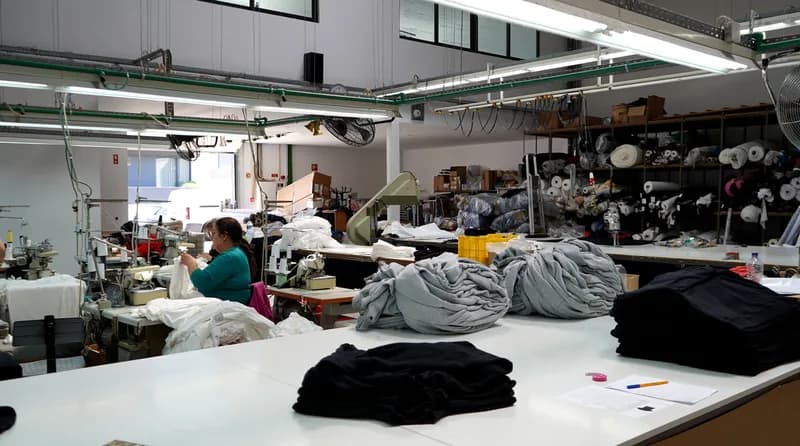
White Cotton manufactures garments for Italian fashion brands from our factory in Barcelos, Portugal. Italy's fashion industry isn't just Milan — it's Rome's emerging contemporary scene, Florence's artisan heritage reimagined for DTC, Naples' street culture spilling into fashion, and hundreds of independent labels across the country building businesses on Instagram and at Pitti Uomo. For Italian brands whose core product is cut-and-sew knitwear — not tailoring, not leather, not wovens — Portuguese production offers the same European quality at 25–35% lower cost, with 2–4 day delivery anywhere in Italy.
The Italy-Portugal Manufacturing Relationship
Italy and Portugal share more manufacturing DNA than most people realise. Both countries have textile industries rooted in centuries of craft, concentrated in regional clusters (Prato and Biella in Italy, Barcelos and Guimarães in Portugal), and built on skilled operators using industrial machinery to European standards. The fabrics that flow through both industries often come from the same European mills — the same Turkish ring-spun yarns, the same organic cotton from GOTS-certified farms, the same premium French terry and brushed fleece. The difference isn't quality or capability. It's cost structure: Portuguese labour, energy, and facility costs are 25–35% below Italian equivalents.
The practical split that works for Italian brands is product-based, not quality-based. Italian manufacturing excels at: tailored garments (blazers, structured coats, trousers with complex construction), woven shirting (dress shirts, formal blouses), leather goods, and luxury finishing that requires artisanal hand-work. Portuguese manufacturing excels at: cut-and-sew knitwear (t-shirts, hoodies, sweatshirts, joggers), casual shirts (camp collar, overshirts), garment-dyed and washed pieces, and embroidered casual wear. Smart Italian brands don't choose between the two — they use both, matching the factory to the product type.
Pitti Uomo in Florence remains the commercial heartbeat of Italian menswear, and its exhibitor list increasingly includes brands that split production between Italian ateliers and Portuguese cut-and-sew factories. The emerging Italian designers showing at MFW's Fashion Hub Market — working with deadstock fabrics, producing in limited quantities, selling direct-to-consumer — often can't access traditional Italian manufacturing at their volumes. Italian factories set up for 500+ unit runs don't want 75-piece orders, regardless of how promising the designer. Portuguese production fills this gap: professional-grade garments at 75-unit MOQs that let emerging Italian talent go from Pitti sample collection to production order without a massive financial commitment.
The 'Made in Portugal' question deserves an honest answer for Italian brands. Yes, garments produced in our factory carry the 'Made in Portugal' origin label — EU regulations require this. For the luxury and haute couture segment, 'Made in Italy' is a non-negotiable part of the brand proposition. But for contemporary, streetwear, athleisure, and casual basics? 'Made in Portugal' carries strong positive European perception. Acne Studios, Jacquemus (for knitwear), and numerous French luxury houses produce in Portugal. Italian consumers increasingly understand that Portuguese manufacturing represents the same tier of European production — not a compromise, but a strategic choice that improves margin without leaving the continent.
Delivery from Barcelos reaches Italian cities faster than many brands expect. Milan: 2–3 days by road freight. Rome: 3–4 days. Florence: 3 days. Naples: 3–4 days. Express courier for samples: 1–2 days anywhere in Italy. For Italian brands used to working with local factories, the logistics feel seamlessly similar. Pattern iterations and sample rounds happen at the same speed as domestic production — send feedback in the morning, receive the updated sample two days later. The EU single market means zero customs, zero duties, zero border friction. Importing knitwear from Barcelos to Rome is legally and practically identical to importing from Prato.
Why Choose Us
Why White Cotton for Italian Brands
25–35% Below Italian Production
Same European fabric mills, same machinery brands, same construction standards — 25–35% lower unit costs. The difference is labour and overhead. For Italian brands producing knitwear basics, this margin improvement funds the next collection or improves profitability at the same retail price.
EU Mercato Unico — Zero Friction
Zero customs, zero duties, zero border inspections. Importing from Barcelos to Rome is legally identical to importing from Prato. Standard intra-community VAT with reverse charge. Your Italian accountant already knows the process.
2–4 Day Delivery Nationwide
Milan in 2–3 days, Florence in 3, Rome in 3–4, Naples in 3–4. Express courier for samples in 1–2 days anywhere in Italy. Pattern development moves at the same speed as domestic production. Reorders feel local.
75-Unit MOQ for Emerging Designers
Pitti exhibitors and MFW Fashion Hub brands can't always access traditional Italian factories at small volumes. 75 units per colourway gives emerging Italian talent factory-grade production without the 200–500 unit minimums Italian manufacturing typically requires.
Product Catalog
Popular Products
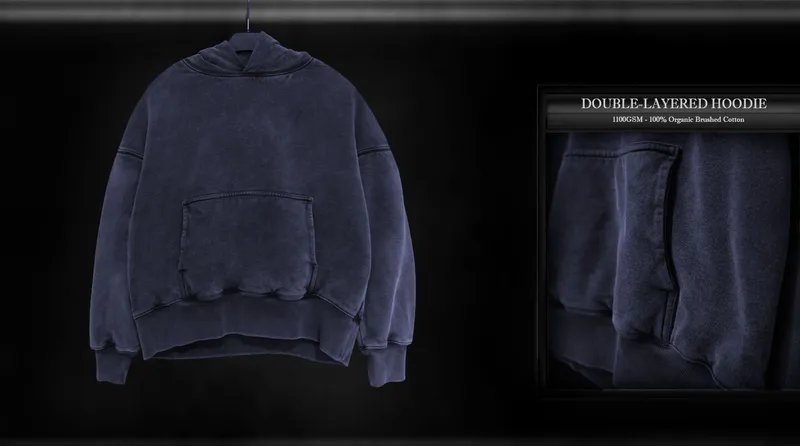
Double-Layered Hoodie
1100GSM — 100% Organic Brushed Cotton
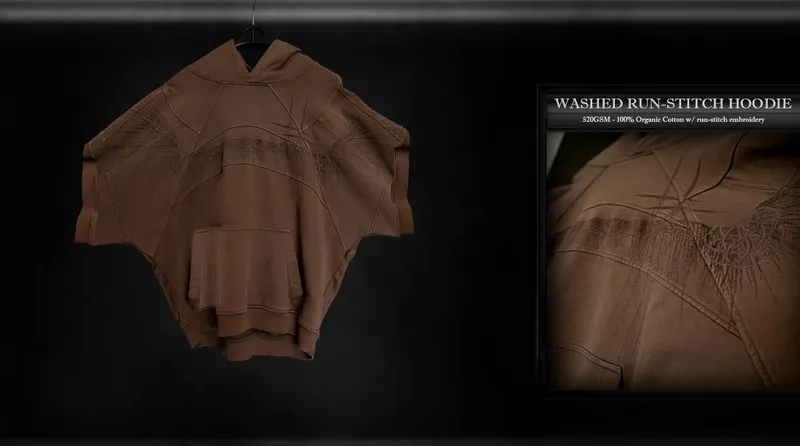
Washed Run-Stitch Hoodie
520GSM — 100% Organic Cotton w/ Run-Stitch Embroidery
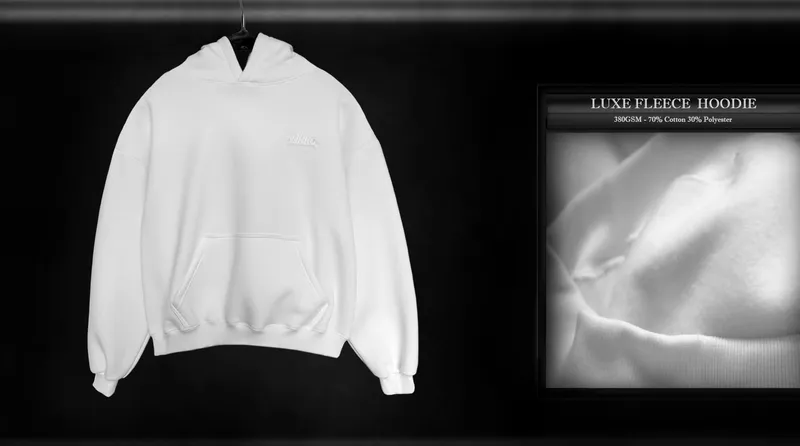
Luxe Fleece Hoodie
380GSM — 70% Cotton 30% Polyester
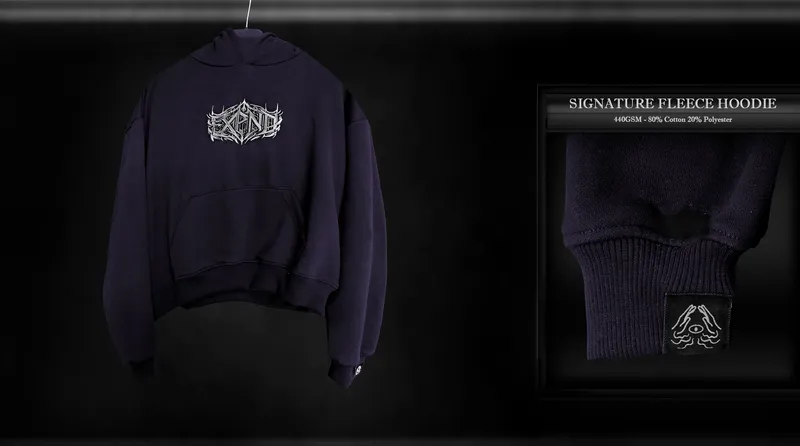
Signature Fleece Hoodie
440GSM — 80% Cotton 20% Polyester
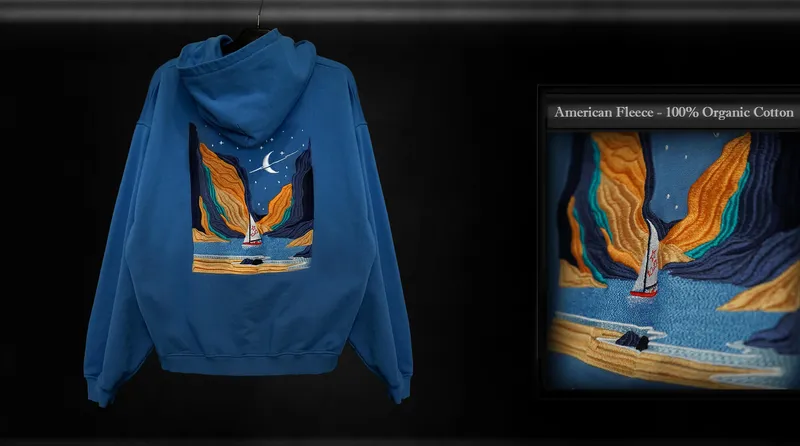
American Fleece Hoodie
380GSM — 100% Organic Cotton
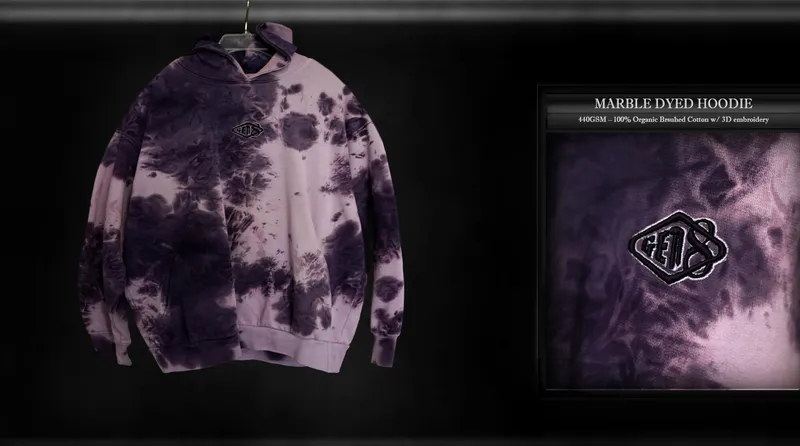
Marble Dyed Hoodie
440GSM — 100% Organic Brushed Cotton w/ 3D Embroidery
Fabric Selection
Recommended Fabrics
Organic Cotton Jersey
GOTS-certified ring-spun organic jersey at 180–280 GSM — often from the same spinning mills that supply Italian factories. The foundation of Italian casual basics: premium hand-feel, consistent quality, verifiable sustainability credentials for Italian retail distribution.
French Terry
Premium French terry at 340–500 GSM for Italian athleisure and casual luxury. The fabric Italian contemporary brands use for the crewneck sweatshirts and joggers that bridge sport and elegance — the 'sprezzatura' of knitwear.
Cotton Poplin
Crisp cotton poplin for the relaxed, unstructured camp collar shirts and overshirts Italian contemporary brands are producing in 2026. Not formal shirting (keep that in Italy) — casual shirting where construction precision matters but tailoring complexity doesn't.
Decoration & Finishing
Recommended Techniques
Embroidery
The kind of precise, tonal embroidery Italian fashion demands: small placements, Pantone-matched threads, logos you feel before you see. Italian brands expect embroidery that is craft, not decoration. Our Tajima machines deliver this standard consistently.
Specialty Finishes
Garment dyeing for rich, depth colour that penetrates the fibre. Enzyme softening for tactile luxury from the first wear. Silicone wash for premium drape. The finishing techniques that give Portuguese-made knitwear the hand-feel Italian consumers judge garments by.
DTG Printing
Photo-quality digital prints for Italian brands running capsule collections, artisanal collaborations, and limited editions. Zero setup costs per design — produce 75 printed tees without the plate charges of traditional screen printing.
Real Example
How We Delivered
Scenario
An Italian contemporary brand from Rome was producing their entire collection domestically — tees, sweatshirts, poplin shirts, and outerwear — but rising Italian production costs were squeezing margins on their basics line. They needed to reduce unit costs on knitwear (tees and sweatshirts) while maintaining quality that their Italian department store accounts would approve without question.
Solution
We produced 300 organic cotton tees (220 GSM GOTS jersey, 5 colourways) and 150 sweatshirts (420 GSM French terry, garment-dyed) with tonal embroidered branding. Two sample rounds completed in 10 days with express delivery to Rome. Fabric sourced from the same European mills the brand previously used through their Italian manufacturer.
Result
Unit costs reduced 30% on the knitwear line. Quality passed Italian department store buyer approval on first submission — the buyers couldn't distinguish Portuguese from Italian production. Brand maintained domestic Italian production for tailored outerwear and structured pieces. Expanded Portuguese production to include joggers, hooded sweatshirts, and poplin camp-collar shirts the following season.
Process
How It Works
Send Your Tech Pack
Share your tech pack with flat sketches, measurements, and fabric specs. Still developing it? Send what you have — we'll help you refine it.
Get a Detailed Quote
Receive a detailed, transparent quotation covering fabric, trims, manufacturing, and finishing. Factory-direct pricing, no middlemen.
Approve Your Sample
We produce a pre-production sample for your review. Iterate until every detail — fit, fabric, colour, construction — matches your vision.
Production & Delivery
Full production with quality control at every stage. Packed to your specs and shipped directly to your warehouse or fulfillment centre.
Common Questions
Frequently Asked
How does Portuguese quality compare to Italian manufacturing?
For cut-and-sew knitwear — t-shirts, hoodies, sweatshirts, joggers — Portuguese and Italian production are at the same quality tier. We use the same European fabric suppliers, equivalent industrial machinery (Tajima, Brother, Juki), and apply EU construction standards. Italian buyers who've evaluated our production consistently report no quality difference on knitwear. The difference is in specialisation: Italian factories excel at tailoring and woven construction; Portuguese factories excel at knitwear and casual garments.
How long does delivery take to different Italian cities?
Milan: 2–3 business days. Florence: 3 days. Rome: 3–4 days. Naples: 3–4 days. Express courier for samples: 1–2 days anywhere in Italy. Road freight via Spain and southern France follows established European logistics corridors. Delivery times are comparable to shipping between different Italian manufacturing regions.
Are there customs duties between Portugal and Italy?
No — both are EU member states in the Mercato Unico. Goods circulate freely with zero customs, zero duties, zero border inspections. Standard intra-community delivery with reverse-charge VAT. Importing garments from Barcelos to any Italian city is legally identical to importing from another Italian region.
Will my garments say 'Made in Portugal'?
Yes — EU regulations require accurate origin labelling. For contemporary, streetwear, athleisure, and casual basics, 'Made in Portugal' carries strong positive European perception. Acne Studios, Jacquemus (knitwear), and numerous French luxury houses produce in Portugal. Italian department store buyers and independent retailers understand that Portuguese production represents the same quality tier as Italian — the market has accepted this for years.
What is the minimum order for Italian brands?
100 units per style in one colourway, or 75 per colourway when you order two or more. This is 4–10x lower than most Italian manufacturers require. For Pitti Uomo exhibitors, MFW Fashion Hub designers, and Roman DTC brands, this means you can go from trade show collection to production order without the financial commitment that traditional Italian manufacturing demands.
Which garments should stay in Italy vs move to Portugal?
Keep in Italy: tailored blazers, structured coats, complex woven shirting, leather goods, anything requiring artisanal hand-finishing. Move to Portugal: t-shirts, hoodies, sweatshirts, joggers, casual pants, camp collar shirts, garment-dyed pieces, embroidered casual wear. The split is about matching production capability to product type — not about quality hierarchy. Many Italian brands run both simultaneously.
Can you match fabrics from our current Italian production?
Yes — send us your current production samples and we'll source identical or equivalent fabrics from our European mill network. Since Italian and Portuguese factories often share the same suppliers, the match is usually exact. We verify with lab dip approval and physical swatch comparison before cutting any bulk fabric.
Can I visit the factory?
Factory visits are available for production clients — once samples are approved and bulk production is underway. Any major Italian city to Porto is a direct or one-stop flight of 2–3 hours (TAP, Ryanair, easyJet all fly from Milan, Rome, and other Italian cities). Barcelos is about 40 minutes from Porto airport. The Douro Valley wine region is an hour from the factory — several Italian clients have combined production visits with a weekend of port wine tasting.
Ready to manufacture for italian brands?
Tools & Resources
Explore More
Also Manufacturing For